


Listen to the article
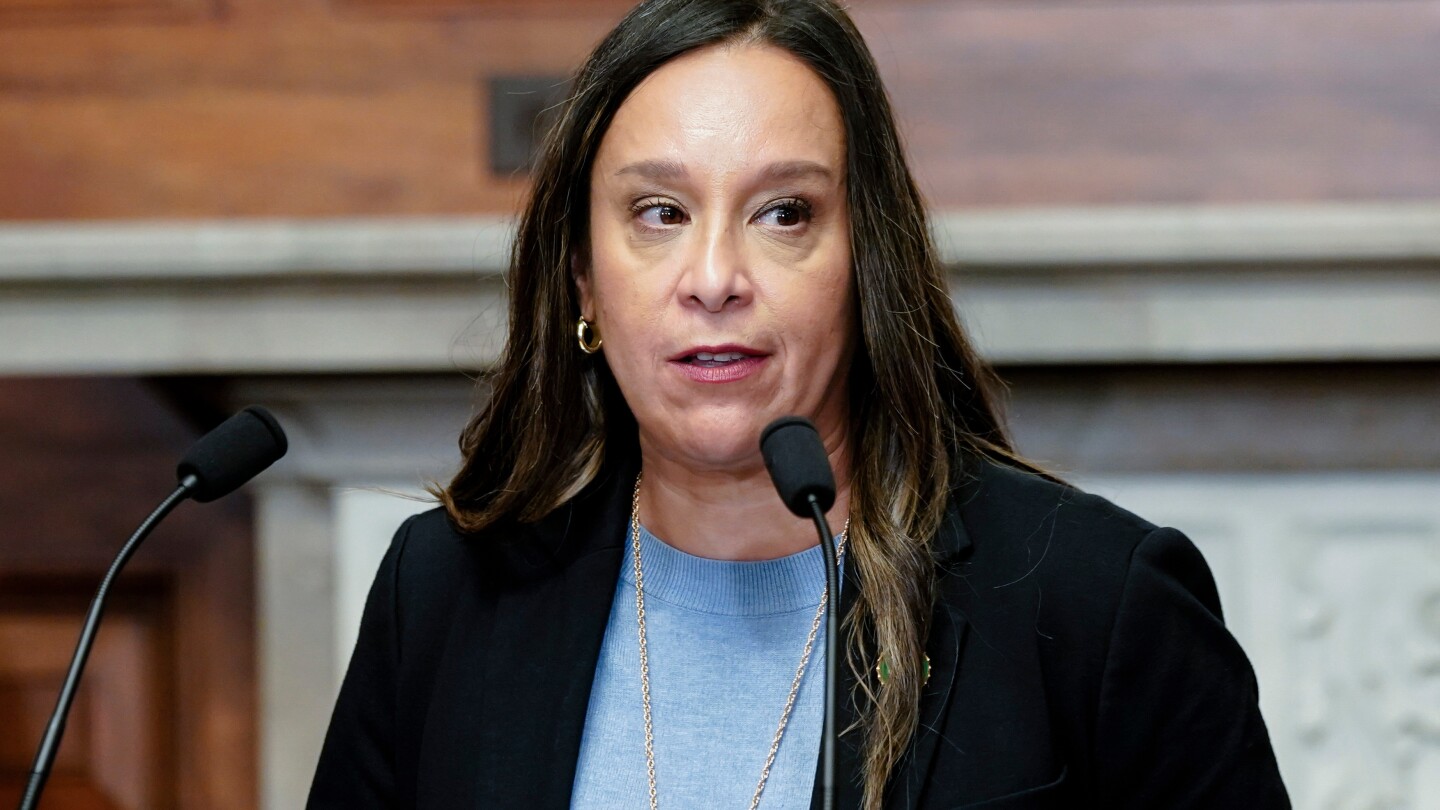
U.S. Representative Monica De La Cruz announced plans Monday to explore new pathways for migrants to work legally in the American construction industry, a move that could mark a significant shift in immigration policy amid ongoing labor shortages.
The Edinburg Republican pledged to meet with the U.S. Department of Labor following complaints from South Texas builders that immigration enforcement actions at construction sites have severely disrupted their operations. De La Cruz suggested creating a specialized visa program for construction workers, similar to the existing H-2A program for agricultural workers.
“We’d like to see where the construction industry would fit,” De La Cruz said, emphasizing her commitment to representing her constituents’ interests even when they might conflict with the broader Trump administration agenda. “At the end of the day, I want to represent South Texas and make sure that we continue to be prosperous.”
This development comes as President Donald Trump prepares to begin his second term after campaigning heavily on increased deportations. Immigration and Customs Enforcement (ICE) has already arrested more than 9,100 people in South Texas over the past year, creating ripple effects throughout regional labor markets.
The construction industry has been particularly hard hit, with work stalling on numerous projects as undocumented workers avoid job sites for fear of detention. The impact has extended beyond construction to related sectors including real estate, banking, and retail.
Mario Guerrero, executive director of the South Texas Builders Association, highlighted the uncertainty facing employers during ICE operations. “We’re trying to figure out what rules apply with all these raids that are happening, if there’s any that do apply, because we’re not really being informed if people need to show warrants or not,” Guerrero explained after meeting with De La Cruz.
The issue reached a critical point in November when the builders association convened a meeting that drew over 300 industry professionals and local officials. Participants detailed how immigration enforcement has disrupted their businesses and stalled critical construction projects across the region.
De La Cruz’s position reflects a growing trend among some Republicans to find pragmatic solutions to immigration challenges while still supporting enhanced border security. In September, Pennsylvania Republican Representative Lloyd Smucker resubmitted his Essential Workers for Economic Advancement Act, which would create a new visa category specifically for nonagricultural workers.
The bill has garnered bipartisan support, including from Democratic Representative Henry Cuellar of Laredo, suggesting potential for compromise on what has long been a divisive issue.
This isn’t De La Cruz’s first attempt to reform immigration policy. Last year, she introduced the Bracero 2.0 bill aimed at modernizing the H-2A agricultural visa program. The legislation proposed streamlining application processes, creating a regional pilot program allowing workers to change employers without reapplying for visas, and setting wage floors at state minimum plus $2 per hour.
While that bill hasn’t come to a vote, the Department of Homeland Security did implement a new rule in October that streamlines the H-2A application process, suggesting administrative receptiveness to such reforms.
The construction industry’s labor challenges highlight the complex interplay between immigration enforcement and economic needs. According to industry experts, the sector has long struggled with labor shortages, even before recent immigration crackdowns. The National Association of Home Builders has previously reported that labor constraints have contributed to rising housing costs and construction delays nationwide.
“We’re trying to do the right thing,” Guerrero emphasized. “If we need to keep having these meetings in order for us to keep moving in the right direction, that’s what we’re trying to do.”
As the new administration takes shape, the question of how to balance immigration enforcement with economic necessities will likely remain at the forefront of policy discussions, particularly in border states where these issues have outsized impact on local economies.
Fact Checker
Verify the accuracy of this article using The Disinformation Commission analysis and real-time sources.

10 Comments
This is a welcome development. Migrant workers often play a vital role in industries like construction, and finding ways to legally integrate them could boost productivity while providing stability for the workers themselves. I’m glad to see a lawmaker taking a pragmatic, solutions-oriented approach.
Addressing labor shortages through legal migration pathways is a complex challenge, but one worth tackling thoughtfully. It will be interesting to see the details of this congresswoman’s proposal and how it’s received.
Kudos to this congresswoman for trying to find pragmatic solutions. Migrant workers often fill crucial roles, and formalizing their status could benefit both the industry and the workers themselves. It’s good to see lawmakers considering practical ways to address labor shortages.
Immigration is a complex issue, but finding ways to legally integrate migrant workers into industries facing staffing challenges seems like a sensible approach worth exploring further.
This is an interesting proposal to address labor shortages in the construction industry. Providing legal status for migrant workers could help fill critical workforce gaps, while still upholding immigration laws. It will be worth watching how this plays out and whether a specialized visa program emerges.
Balancing industry needs with immigration policy is a delicate challenge. A thoughtful, bipartisan approach that protects workers’ rights while supporting the economy could yield positive results.
This is a tricky issue with valid concerns on both sides. On one hand, the construction industry needs workers. On the other, immigration enforcement has been a priority. Crafting a program that satisfies both seems challenging, but I’m curious to see the details and how it’s received.
It will be important to ensure any new visa program has strong worker protections and doesn’t undermine existing labor laws. Balancing economic needs with immigration policy is never easy.
While I understand the desire to address labor shortages, I have some concerns about the potential for a specialized visa program to be exploited or undermine existing worker protections. Any such initiative would need robust safeguards to ensure fair wages and working conditions.
It’s a tricky balance, but I’m glad to see lawmakers grappling with these issues. Careful design and stakeholder input will be crucial to ensuring any new program benefits both workers and industry.