


Listen to the article
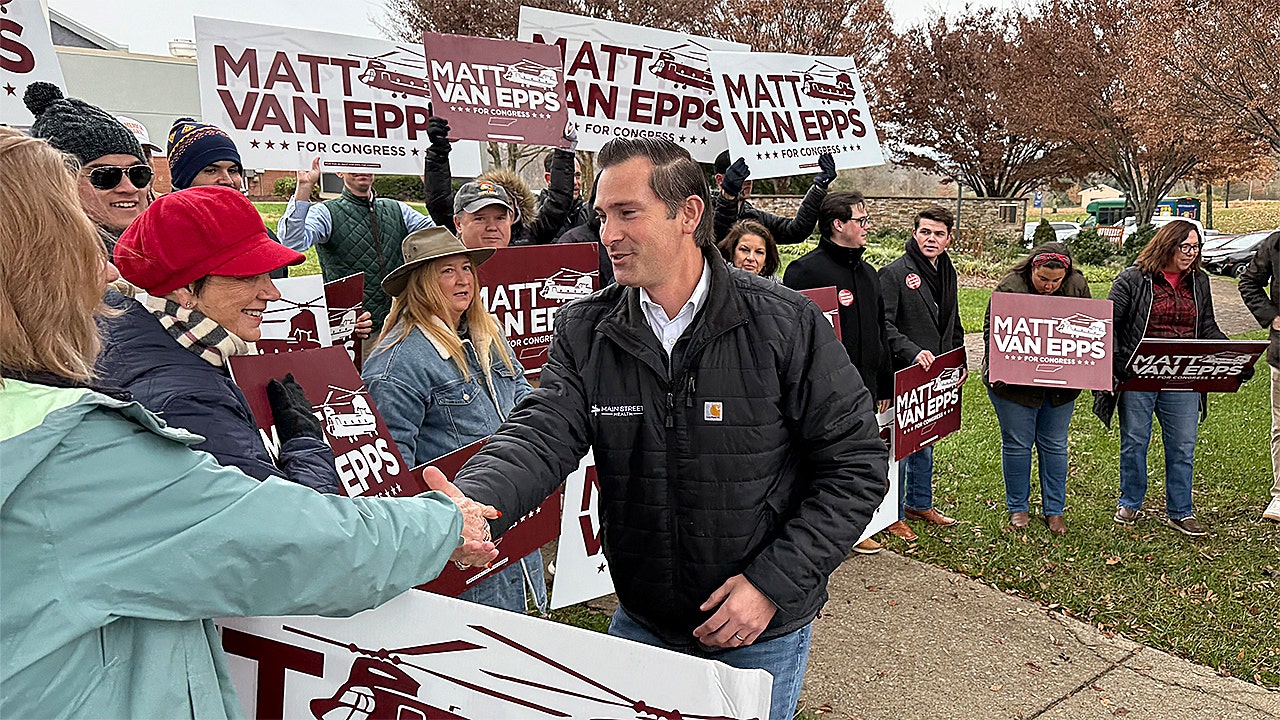
In a closely watched special election in Tennessee, Republican Matt Van Epps defeated Democratic challenger Aftyn Behn by nine percentage points, maintaining GOP control of the congressional seat previously held by Rep. Mark Green. The victory aligns with political expectations for the district, which the Cook Political Report rates as leaning Republican by approximately 10 points.
House Speaker Mike Johnson characterized the result as precisely what should have been anticipated in a district that former President Donald Trump won by 22 points in 2020. “Democrats put millions of dollars in. They were really trying to set the scenario that there’s some sort of wave going on. There’s not. We just proved that there’s not,” Johnson said.
The Democratic Party had invested heavily in the race, hoping that a strong showing or potential upset might signal broader political shifts ahead of the 2026 midterm elections. Despite falling short, the nine-point margin in a traditionally Republican district has both parties spinning narratives about what the outcome means for future electoral contests.
Political analysts note that special elections often function as political snapshots, providing limited insight into general election outcomes. With typically lower turnout than regular elections, these contests can sometimes appear closer than expected, especially when the party out of power invests significant resources to make the race competitive.
The Tennessee result continues a pattern seen in recent decades. Since 2007, only four House seats have flipped parties during special elections, highlighting the difficulty of capturing opposition strongholds outside regular election cycles. One notable example involved Rep. Ron Estes (R-Kan.), who won his 2017 special election by just six points in a district where his Republican predecessor had previously won by 20 points. Democrats ultimately reclaimed the House majority in the 2018 midterms.
Some observers question whether Democrats might have performed better with a more moderate candidate than Behn, who ran as a progressive. The recent victory of Virginia Governor-elect Abigail Spanberger, known for her centrist positioning, provides a potential model for Democrats competing in right-leaning districts.
The Van Epps victory increases the Republican House majority to 220-214 once he takes office on Thursday. However, with Rep. Marjorie Taylor Greene departing in January and rumors of other potential Republican retirements, the narrow margin could face pressure in the coming months. Sources indicate several House Republicans are considering leaving office, with some expressing frustration over the White House’s control of the legislative agenda during the recent government shutdown standoff and concerns about President Trump’s approach to Ukraine.
The Tennessee contest also highlights the impact of redistricting on electoral outcomes. Republican state legislators had previously redrawn district lines around Nashville, dividing the Democratic-leaning city among multiple Republican-favoring districts. This strategic redistricting helped secure the Republican advantage despite Democratic gains in urban areas.
Looking ahead, special elections are scheduled in Texas, New Jersey, and Georgia, though political analysts suggest those seats are unlikely to be competitive.
As both parties prepare for the 2026 midterms, the Tennessee result offers conflicting narratives. Republicans point to the victory as evidence of their continued electoral strength, while Democrats highlight their competitive performance in a district that should have been safely Republican. The political significance will ultimately depend on whether this special election proves to be an isolated contest or part of a broader pattern as the country moves toward the next election cycle.
Fact Checker
Verify the accuracy of this article using The Disinformation Commission analysis and real-time sources.

31 Comments
Nice to see insider buying—usually a good signal in this space.
Good point. Watching costs and grades closely.
I like the balance sheet here—less leverage than peers.
Good point. Watching costs and grades closely.
Silver leverage is strong here; beta cuts both ways though.
Good point. Watching costs and grades closely.
Good point. Watching costs and grades closely.
Exploration results look promising, but permitting will be the key risk.
Good point. Watching costs and grades closely.
Nice to see insider buying—usually a good signal in this space.
Interesting update on Tennessee Special Election Results Prompt Partisan Interpretations. Curious how the grades will trend next quarter.
Good point. Watching costs and grades closely.
Good point. Watching costs and grades closely.
The cost guidance is better than expected. If they deliver, the stock could rerate.
Good point. Watching costs and grades closely.
Silver leverage is strong here; beta cuts both ways though.
Good point. Watching costs and grades closely.
Good point. Watching costs and grades closely.
The cost guidance is better than expected. If they deliver, the stock could rerate.
Good point. Watching costs and grades closely.
Good point. Watching costs and grades closely.
The cost guidance is better than expected. If they deliver, the stock could rerate.
If AISC keeps dropping, this becomes investable for me.
Good point. Watching costs and grades closely.
If AISC keeps dropping, this becomes investable for me.
Good point. Watching costs and grades closely.
Uranium names keep pushing higher—supply still tight into 2026.
Nice to see insider buying—usually a good signal in this space.
Uranium names keep pushing higher—supply still tight into 2026.
Good point. Watching costs and grades closely.
Good point. Watching costs and grades closely.