


Listen to the article
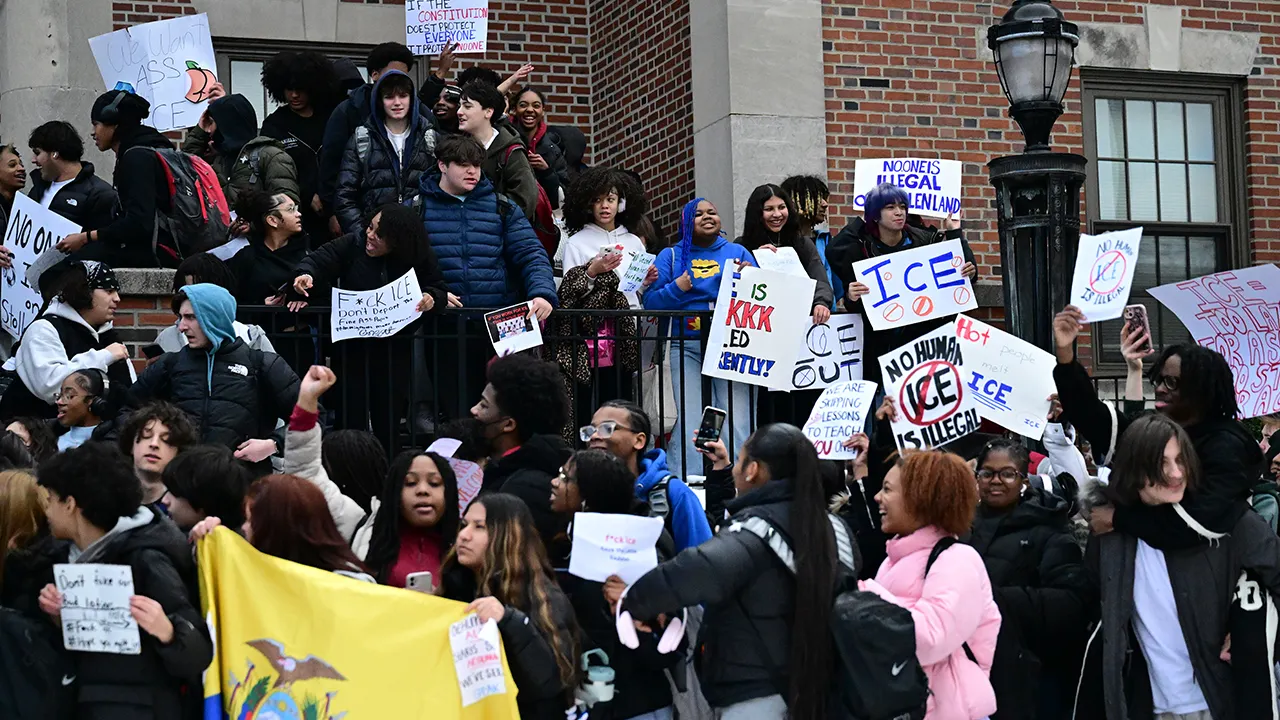
Student protests over immigration enforcement have surged across the United States following the deaths of Renee Good and Alex Petti in Minneapolis, leading to school closures and organized demonstrations in multiple states.
The wave of activism began with a coordinated “National Shutdown” on January 30, with protests continuing through February 3. Images from Bloomfield High School showed students gathering with signs and banners, joining what has become a nationwide movement among high school and college students responding to the tragic deaths.
This surge in student activism comes amid heightened tensions on campuses across the country. Duke University recently suspended its chapter of Students for Justice in Palestine following complaints about content posted on the organization’s Instagram account that critics described as antisemitic. The university administration’s decision highlights the increasingly complex landscape of campus activism and the challenges institutions face in balancing free expression with concerns about hate speech.
The current climate of student activism extends beyond immigration issues. Teachers’ unions have organized May Day events that some critics characterize as “grooming” students into becoming political activists. These critics argue such activities inappropriately politicize educational spaces and potentially influence students toward specific ideological positions.
Political polarization on campuses has intensified in recent months, with various activist groups mobilizing around multiple causes. The trend reflects broader divisions in American society, with educational institutions increasingly becoming focal points for social and political discourse.
Campus administrators nationwide are navigating difficult terrain as they attempt to preserve academic freedom while addressing concerns about student safety and institutional values. Many universities are revising their policies regarding demonstrations, speaker invitations, and student organization conduct in response to these challenges.
Student organizations continue to evolve their tactics, using social media to coordinate actions across different campuses and to amplify their messages. The digital dimension of contemporary student activism has significantly enhanced organizers’ ability to create nationwide movements rapidly in response to specific events or policy decisions.
The current wave of student demonstrations has also drawn attention from political figures on both sides of the aisle. Conservative commentators have expressed concern about the leftward tilt of campus politics, while progressive voices defend students’ right to organize around causes they deem important.
Educational experts note that student activism has historically played a significant role in American social movements, from civil rights demonstrations to anti-war protests. Today’s student movements, however, operate in a media environment where campus events can quickly become national news stories, placing additional pressure on institutional leadership.
As protests continue, school administrators must balance security concerns with students’ rights to express their views. Several districts have implemented new protocols for handling demonstrations, including designated areas for protests and clearer guidelines about when classes might be suspended due to safety concerns.
The ongoing situation reflects deeper questions about the role of educational institutions in American civic life and the appropriate boundaries of political expression in academic settings. It also highlights generational differences in approaches to activism, with today’s students leveraging both traditional protest methods and sophisticated digital organizing strategies.
While the immediate focus remains on the response to the Minneapolis deaths, the broader pattern of increased student activism suggests this trend will likely continue across American educational institutions in the months ahead, particularly as the country approaches a contentious election season.
Fact Checker
Verify the accuracy of this article using The Disinformation Commission analysis and real-time sources.

14 Comments
The surge in student activism on immigration and other issues reflects the passion of young people to make their voices heard. While school closures are disruptive, it’s important that authorities facilitate peaceful demonstrations within reasonable bounds.
Student activism on complex social and political issues can be a positive force, though institutions must find ways to uphold free speech while also preventing hate and intolerance.
The controversy at Duke University over the Students for Justice in Palestine group is a reminder of the charged atmosphere around Israel/Palestine issues on many campuses. Navigating free speech and preventing hate speech is an ongoing challenge for administrators.
Activism by high school and college students on important social issues is a sign of engaged citizenship. But universities must balance competing rights and find constructive solutions.
The situation at Duke University speaks to the challenges universities face in balancing free expression and concerns about hate speech. The specific allegations against the Students for Justice in Palestine group warrant closer examination.
Upholding free speech principles while also fostering inclusive environments is an ongoing challenge for academic institutions. Nuanced solutions that respect diverse viewpoints will be important.
The issues around campus activism and free speech seem very nuanced. I’d be curious to learn more about the specific concerns with the Students for Justice in Palestine group’s social media content. Balancing student expression with preventing hate speech is a tricky challenge for universities.
It’s important that academic institutions uphold principles of free speech while also fostering an inclusive environment. Finding that right balance is an ongoing challenge.
The student protests over immigration enforcement reflect the depth of feeling on this issue. It’s good to see young people engaged and raising their voices, though the school closures are concerning. Hopefully the authorities can find ways to facilitate peaceful demonstrations.
Activism by high school and college students on important social issues is encouraging to see. Constructive dialogue and finding common ground will be key as these complex debates unfold.
The student protests over immigration enforcement highlight the depth of feeling on this issue. While school closures are disruptive, it’s good to see young people raising their voices on matters that affect their communities.
Constructive dialogue and finding common ground will be key as these complex debates over campus activism and free speech continue to unfold.
The situation at Duke University highlights the sensitive nature of campus politics around Israel/Palestine. While free speech is crucial, accusations of antisemitism are very serious. I wonder what specific content on the student group’s Instagram led to the suspension.
Navigating activism and free expression on campus is an ongoing challenge for university administrators. Balancing competing rights and concerns requires nuance and care.