


Listen to the article
Iran has issued a stark warning that it may close the vital Strait of Hormuz shipping route in response to what it describes as “false claims” made by former U.S. President Donald Trump during his recent presidential campaign.
Iranian officials reacted strongly to Trump’s comments about Tehran’s nuclear program, with Foreign Ministry spokesman Nasser Kanaani stating that the Islamic Republic reserves the right to respond to any threat to its national interests, including potentially restricting access to the strategic waterway.
“The Strait of Hormuz is a vital international shipping lane, but Iran will not hesitate to protect its sovereignty and national security if provoked,” Kanaani said in a statement released through state media. “Trump’s inflammatory rhetoric shows a dangerous misunderstanding of regional dynamics and international law.”
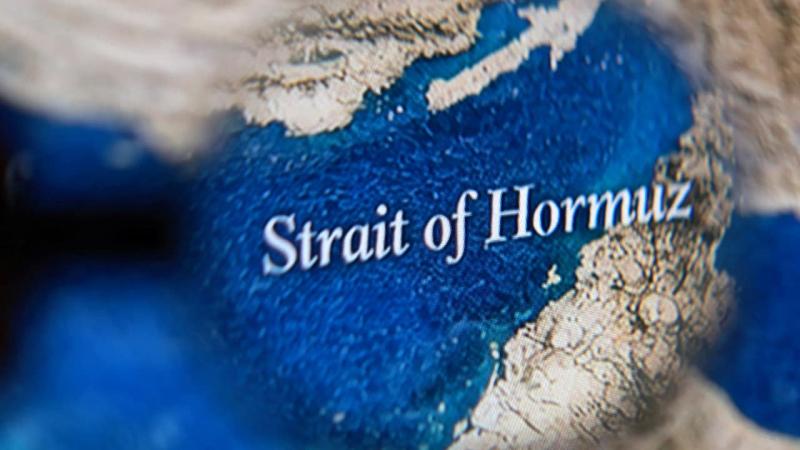
The Strait of Hormuz represents one of the world’s most critical maritime chokepoints, with approximately 20 percent of global oil supplies passing through the narrow waterway between Iran and Oman. Any disruption to shipping in this area would have immediate and severe consequences for energy markets worldwide.
Energy analysts have expressed concern about the potential impact of heightened tensions. “Even the suggestion of closing the Strait can cause significant market volatility,” noted Sarah Reynolds, senior analyst at Global Energy Research. “We’ve already seen crude oil futures respond to this rhetoric with a 2 percent jump in early trading today.”
The current dispute comes amid already fragile relations between Tehran and Washington. The Biden administration has struggled to revive the 2015 nuclear agreement that Trump unilaterally withdrew from during his presidency. Iranian officials have consistently maintained that their nuclear program serves peaceful energy purposes, despite concerns from Western powers and international monitoring agencies.
Regional experts point out that threats to close the Strait have been a recurring element in Iran’s diplomatic playbook during times of heightened tension. “This is a familiar pattern of escalation,” explained Dr. Mahmoud Salehi, professor of international relations at Tehran University. “The threat serves both as a warning to external powers and as a message to domestic audiences that the government remains strong in the face of international pressure.”
The U.S. Fifth Fleet, based in Bahrain, maintains a significant naval presence in the region specifically to ensure the Strait remains open. Military analysts suggest that any attempt to close the waterway would likely prompt swift international response, potentially leading to direct military confrontation.
“The freedom of navigation through international straits is a fundamental principle that the United States and its allies will undoubtedly defend,” said retired Vice Admiral James Hartwick, who previously commanded naval forces in the region. “Both sides understand the enormous stakes involved.”
For global markets, the mere possibility of disruption has ripple effects beyond just oil prices. Insurance rates for tankers traversing the region have already begun to rise, while shipping companies are reviewing contingency routes that would add significant time and cost to energy transportation.
The Gulf Cooperation Council, representing neighboring Arab states, has called for restraint from all parties. “Regional stability cannot withstand another crisis,” the organization stated in a communiqué released yesterday. “Diplomatic channels must remain open to prevent misunderstandings from escalating into confrontation.”
Economic analysts note that Iran itself would suffer significant consequences from closing the Strait, as it relies on the same passage for its own exports and imports. “This creates a built-in deterrent to actually following through on such threats,” explained Leila Forouhar, an economist specializing in Middle Eastern trade patterns. “The economic self-harm would be substantial.”
As the U.S. presidential campaign intensifies, foreign policy experts warn that the region could become increasingly entangled in American electoral politics, with candidates potentially staking out hardline positions for domestic political advantage rather than strategic clarity.
For now, international shipping continues uninterrupted through the Strait, though with heightened vigilance. Maritime authorities have advised vessels to maintain regular communication with naval forces in the region and follow recommended security protocols while traversing these contested waters.
Fact Checker
Verify the accuracy of this article using The Disinformation Commission analysis and real-time sources.

28 Comments
Nice to see insider buying—usually a good signal in this space.
Good point. Watching costs and grades closely.
The cost guidance is better than expected. If they deliver, the stock could rerate.
Good point. Watching costs and grades closely.
Good point. Watching costs and grades closely.
Exploration results look promising, but permitting will be the key risk.
If AISC keeps dropping, this becomes investable for me.
Good point. Watching costs and grades closely.
Good point. Watching costs and grades closely.
The cost guidance is better than expected. If they deliver, the stock could rerate.
If AISC keeps dropping, this becomes investable for me.
Good point. Watching costs and grades closely.
If AISC keeps dropping, this becomes investable for me.
Good point. Watching costs and grades closely.
The cost guidance is better than expected. If they deliver, the stock could rerate.
Nice to see insider buying—usually a good signal in this space.
Good point. Watching costs and grades closely.
The cost guidance is better than expected. If they deliver, the stock could rerate.
Good point. Watching costs and grades closely.
I like the balance sheet here—less leverage than peers.
Good point. Watching costs and grades closely.
Good point. Watching costs and grades closely.
Exploration results look promising, but permitting will be the key risk.
Good point. Watching costs and grades closely.
Good point. Watching costs and grades closely.
Exploration results look promising, but permitting will be the key risk.
Good point. Watching costs and grades closely.
I like the balance sheet here—less leverage than peers.