


Listen to the article
U.S. Communities Face Crumbling Wastewater Infrastructure as Federal Aid Dries Up
Across the United States, scores of communities are grappling with aging and deteriorating wastewater systems that pose serious risks to residents’ health and property. While the Bipartisan Infrastructure Law and the Biden administration had allocated hundreds of millions of dollars to address these critical issues, much of that funding has been eliminated following President Donald Trump’s return to office.
The cuts have been particularly steep in programs targeting diversity, equity and inclusion initiatives, which advocates say will likely worsen inequality since many of the nation’s most troubled wastewater systems are found in disadvantaged communities.
According to Associated Press reporting, at least 17 million Americans rely on approximately 1,000 wastewater systems that are in serious violation of federal pollution standards. Even more concerning, about 2.7 million people depend on the most severely troubled systems—concentrated in rural areas with repeated clean water violations—where household incomes average nearly $12,000 less than the national average.
The financial burden of addressing these issues is staggering. Federal data reveals that flooding and water quality needs over the next two decades have ballooned to at least $630 billion. Meanwhile, about 2.2 million Americans lack adequate indoor plumbing, according to EPA estimates.
For communities already struggling with population decline and economic challenges, maintaining critical infrastructure becomes nearly impossible. As residents and businesses leave, the shrinking tax base cannot support necessary system upgrades. This creates a devastating cycle for those who remain.
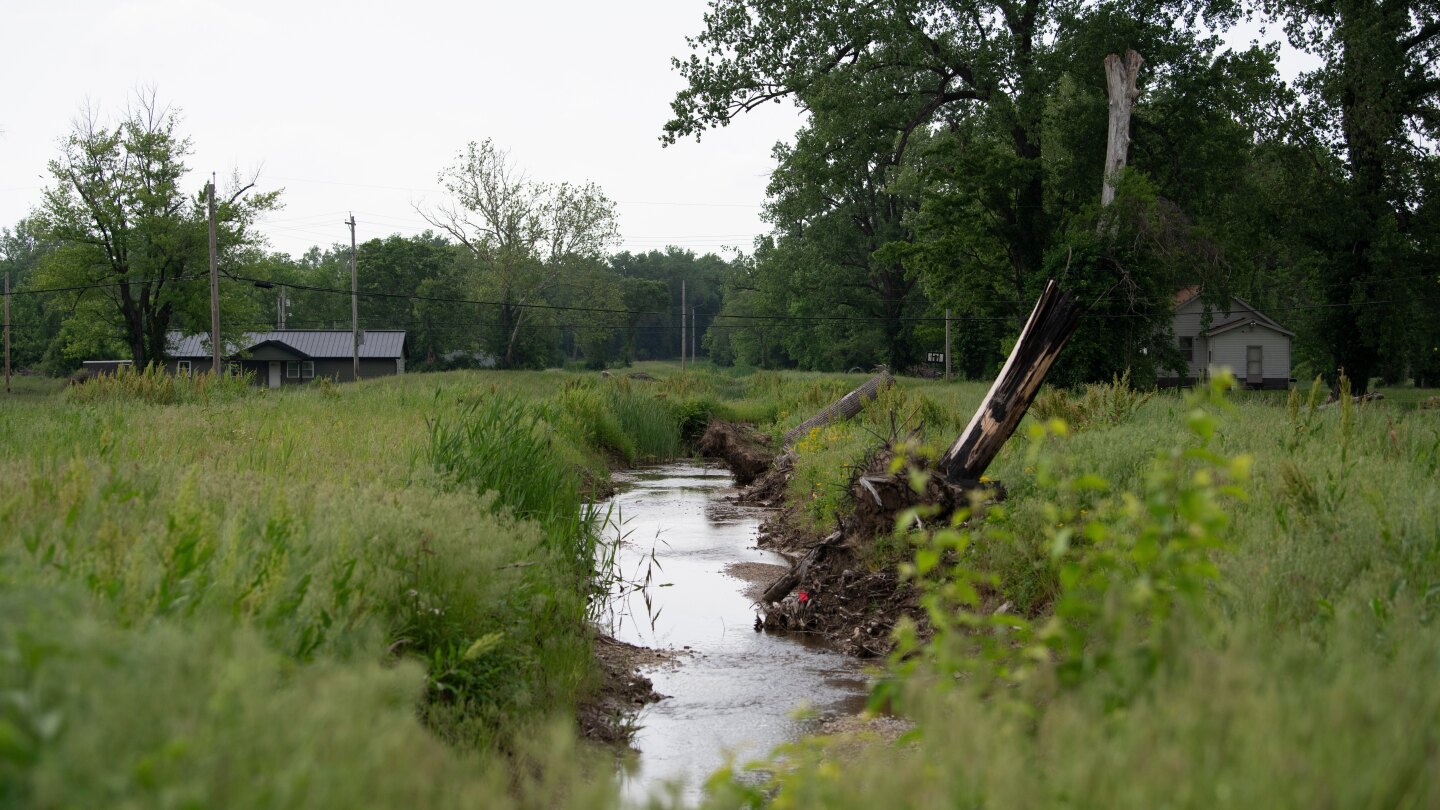
Shaw, Mississippi exemplifies this crisis. The majority-Black town has lost 40% of its population and most of its businesses, leaving insufficient funds for essential sewer upgrades. During heavy rains, sewage backs up into homes, creating serious health hazards. A 2023 study found alarming public health impacts: 38% of children tested were infected with intestinal parasites like hookworm, and 80% showed high levels of intestinal inflammation.
The Trump administration has taken several actions that advocates say will worsen these problems. Among the most significant changes was eliminating the Environmental Protection Agency’s Environmental Justice office, which had focused on addressing pollution issues that disproportionately impact poor and minority communities. The administration also canceled infrastructure and climate adaptation grants specifically designed for underserved communities.
Among the canceled funding was $14 million earmarked to install septic systems in majority-Black Alabama counties where residents often have no choice but to pipe sewage onto their own properties. Another example was a $20 million grant with nearly half allocated for addressing aging sewer lines in historically Black neighborhoods in Thomasville, Georgia. When canceling this grant, the EPA stated it didn’t align with the administration’s priorities.
In a statement defending these actions, the EPA characterized the Biden administration’s focus on environmental justice as a “radical agenda” that diverged from the agency’s core mission of protecting human health and the environment.
Catherine Coleman Flowers, founder of the Center for Rural Enterprise and Environmental Justice, criticized the approach of targeting grants simply because they carry a diversity, equity and inclusion label. She emphasized that these wastewater problems represent fundamental “health and dignity” issues for affected communities.
Despite the funding cuts, some resources remain available. In November, the EPA announced $6.5 billion for wastewater and drinking water projects through a loan program, plus an additional $550 million to be distributed to states. The U.S. Department of Agriculture also maintains a smaller program supporting similar needs.
However, experts note that the poorest communities face significant barriers to accessing these resources. Sri Vedachalam, a water and climate expert at Corvias Infrastructure Solutions, points out that many struggling communities lack the financial resources, staffing, or expertise needed to prepare the extensive studies, engineering reports, and applications required for funding consideration.
The Trump administration’s cancellation of tens of millions in funding for technical assistance centers creates additional obstacles for these communities, according to advocates. The EPA maintains that it still provides technical support to rural, small, and tribal communities, though the scope of this assistance has been reduced.
As funding continues to shift, the future remains uncertain for millions of Americans living with failing wastewater systems, with the poorest communities likely to bear the heaviest burden of these policy changes.
Fact Checker
Verify the accuracy of this article using The Disinformation Commission analysis and real-time sources.

18 Comments
It’s alarming to see how many communities are struggling with polluted water and lack of federal support. This is a critical issue that shouldn’t be subject to political whims. Consistent, adequate funding is necessary to protect public health.
Absolutely. Clean, safe water is a fundamental human right that must be prioritized over partisan politics. Cutting funding for disadvantaged areas is unconscionable.
This is a concerning development. Investing in water infrastructure should be a bipartisan priority, not subject to political whims. Cutting funding, especially for diversity and inclusion initiatives, seems shortsighted and potentially discriminatory.
I agree. Clean, safe water is a fundamental human need that shouldn’t be politicized. Disproportionately impacting disadvantaged communities is unacceptable and will likely have far-reaching public health consequences.
This is certainly concerning. Crumbling water infrastructure is a major public health and environmental issue that requires sustained investment and oversight. Cutting funding for programs targeting disadvantaged communities seems especially short-sighted.
You’re right, this disproportionately impacts lower-income areas that can least afford the costs of upgrading their systems. A more equitable, long-term approach is needed.
Aging wastewater infrastructure is a growing problem across the country, and the Trump administration’s cuts are deeply troubling. Protecting public health and the environment should be a top priority, not subject to political agendas.
Absolutely. Maintaining and upgrading these essential systems requires consistent, long-term investment, not arbitrary cuts. The decision to target diversity and inclusion programs is particularly concerning and counterproductive.
This is a significant public health and environmental issue that shouldn’t be politicized. Consistent, equitable investment in wastewater infrastructure is critical for protecting communities across the country.
Well said. Ensuring access to clean, safe water should be a top priority, not a partisan bargaining chip. The long-term costs of neglecting this issue will be far greater.
It’s really troubling to see the Trump administration cutting funding for wastewater programs, especially those focused on underserved communities. Clean water is a basic human right, not a political football.
Exactly. Disadvantaged areas are already struggling with crumbling infrastructure and limited resources. Reducing support for these communities is unconscionable and will only exacerbate existing inequalities.
This is a very concerning development. Wastewater infrastructure is critical for public health and the environment, and it’s deeply troubling to see the Trump administration cutting funding, especially for programs aimed at underserved communities.
I agree, this is a serious issue that requires a bipartisan, sustained approach. Reducing support for disadvantaged areas will only exacerbate existing inequalities and put more people at risk. Clean water should be a fundamental right, not a political bargaining chip.
Wastewater infrastructure is one of those unglamorous but essential public services that often gets overlooked. It’s concerning to see the Trump administration rolling back investment and oversight in this area.
Agreed. Maintaining and upgrading water systems requires a sustained, bipartisan commitment. Cutting funding, especially for vulnerable communities, is short-sighted and dangerous.
The news about the Trump administration’s cuts to wastewater infrastructure funding is very concerning. Maintaining and upgrading these essential systems should be a top priority, not subject to political whims. The disproportionate impact on disadvantaged communities is particularly troubling.
Absolutely. Ensuring access to clean, safe water is a basic human right that must be protected. Cutting funding, especially for diversity and inclusion initiatives, is short-sighted and potentially discriminatory. This is an issue that requires a long-term, equitable approach, not partisan bickering.