


Listen to the article
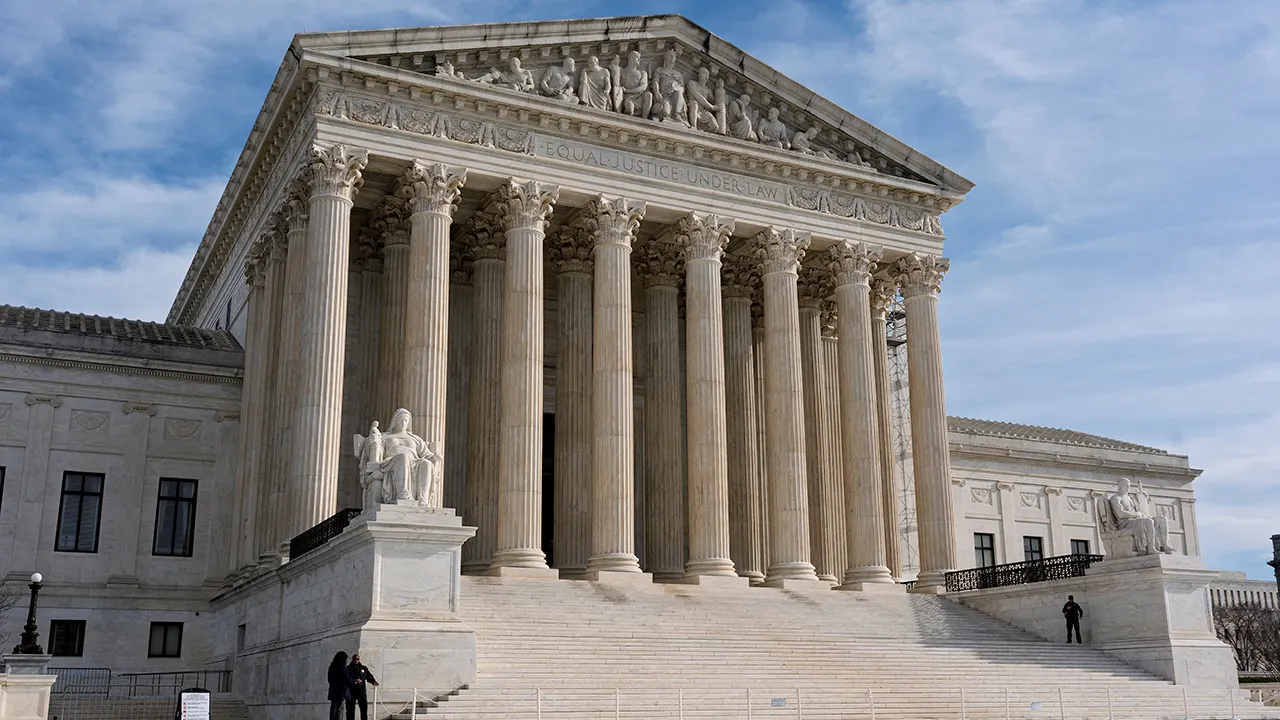
In a brief decision that drew no public dissent, the Supreme Court has declined to hear an appeal from a former Kentucky county clerk who sought to challenge the landmark 2015 ruling that legalized same-sex marriage nationwide.
The court issued its rejection without providing any explanation, effectively shutting down this latest attempt to overturn Obergefell v. Hodges, the historic case that guaranteed marriage rights for same-sex couples throughout the United States.
The former clerk, who gained national attention in 2015 when she refused to issue marriage licenses to same-sex couples citing her religious beliefs, had petitioned the Supreme Court to reconsider its previous ruling. Her legal team had argued that the 2015 decision created undue burdens on religious freedom for government officials whose faith conflicts with same-sex marriage.
The court’s refusal to take up the case represents yet another affirmation of the Obergefell decision, which has now withstood multiple legal challenges in the nine years since it was issued. Legal experts note that this rejection signals the court’s unwillingness to revisit the fundamental right to marriage that was established by the 5-4 ruling during the Obama administration.
“This denial indicates that even with the court’s current conservative majority, there doesn’t appear to be an appetite to reexamine Obergefell,” said Sarah Warbelow, a civil rights attorney who specializes in LGBTQ+ issues. “It suggests a certain stability around marriage equality, even as other LGBTQ+ rights face new legal challenges.”
The original Kentucky case became a flashpoint in the national debate over religious freedom versus civil rights. After the Obergefell decision, the clerk refused to issue marriage licenses to any couples, straight or gay, rather than comply with the ruling. She was subsequently jailed for contempt of court, becoming a symbol of religious resistance to same-sex marriage for conservatives and an example of official discrimination for LGBTQ+ advocates.
Kentucky subsequently changed its marriage license forms to remove county clerks’ names, addressing the specific religious accommodation that had been requested. However, the underlying constitutional question remained unresolved in the minds of some religious freedom advocates.
The Supreme Court’s decision not to hear this appeal comes amid growing concerns from LGBTQ+ advocates about the security of rights established by previous court rulings. Those concerns intensified after Justice Clarence Thomas, in his concurring opinion in the 2022 Dobbs decision overturning abortion rights, suggested the court should reconsider other precedents, including Obergefell.
Public opinion polls show that support for same-sex marriage has grown substantially since 2015, with approximately 70% of Americans now in favor, according to Gallup. This broad public acceptance may factor into the court’s reluctance to revisit the issue.
In 2022, Congress passed the Respect for Marriage Act, which provides federal protections for same-sex and interracial marriages. While not as comprehensive as the constitutional protection afforded by Obergefell, the law was designed as a legislative backstop should the Supreme Court ever overturn its previous ruling.
“The combination of increasing public support, the Respect for Marriage Act, and now this rejection of a direct challenge to Obergefell provides some reassurance about the durability of marriage equality,” said James Esseks, director of the ACLU LGBTQ & HIV Project. “But vigilance remains essential as we’ve seen with other rights previously considered settled.”
For the millions of same-sex couples who have married since the 2015 ruling, the court’s decision offers continued stability for their legal status and family relationships. It also provides certainty for government officials tasked with implementing marriage laws across the country.
The Supreme Court’s decision effectively leaves in place lower court rulings against the former clerk, who had faced various legal consequences for her refusal to fulfill her official duties in 2015.
Fact Checker
Verify the accuracy of this article using The Disinformation Commission analysis and real-time sources.

19 Comments
Interesting update on Supreme Court Denies Appeal from County Clerk Challenging Same-Sex Marriage Ruling. Curious how the grades will trend next quarter.
Uranium names keep pushing higher—supply still tight into 2026.
Good point. Watching costs and grades closely.
Exploration results look promising, but permitting will be the key risk.
Good point. Watching costs and grades closely.
Good point. Watching costs and grades closely.
Uranium names keep pushing higher—supply still tight into 2026.
Good point. Watching costs and grades closely.
Good point. Watching costs and grades closely.
Uranium names keep pushing higher—supply still tight into 2026.
Good point. Watching costs and grades closely.
Nice to see insider buying—usually a good signal in this space.
Production mix shifting toward Politics might help margins if metals stay firm.
Good point. Watching costs and grades closely.
Good point. Watching costs and grades closely.
Exploration results look promising, but permitting will be the key risk.
Exploration results look promising, but permitting will be the key risk.
Good point. Watching costs and grades closely.
Exploration results look promising, but permitting will be the key risk.