


Listen to the article
Trump Appeals $5 Million E. Jean Carroll Verdict to Supreme Court
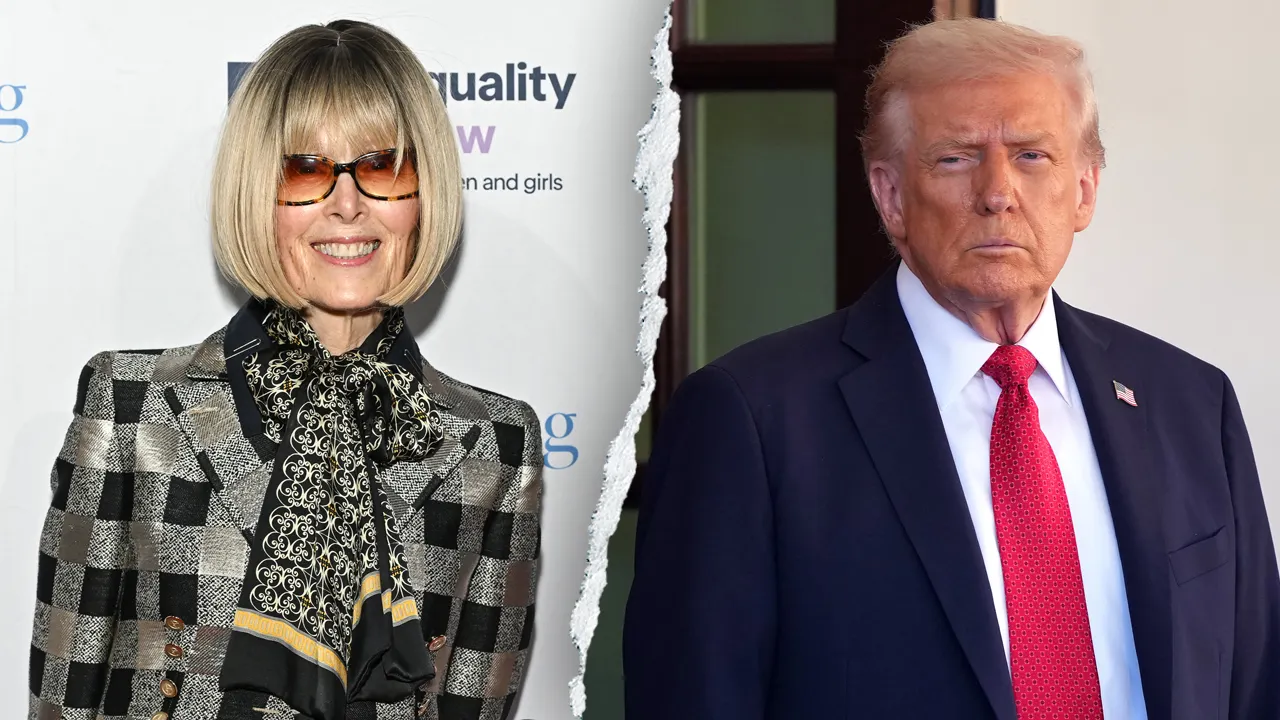
President Donald Trump has petitioned the Supreme Court to overturn a $5 million civil jury verdict that found he sexually abused and later defamed former Elle magazine columnist E. Jean Carroll.
In the court filing, Trump’s legal team argued that the verdict was built upon “a series of indefensible evidentiary rulings” that allowed Carroll’s attorneys to present “highly inflammatory propensity evidence” against the former president.
“President Trump has clearly and consistently denied that this supposed incident ever occurred,” wrote attorney Justin Smith and co-counsel in the filing. “No physical or DNA evidence corroborates Carroll’s story. There were no eyewitnesses, no video evidence, and no police report or investigation.”
The legal battle stems from Carroll’s allegations, first published in her 2019 book, that Trump raped her during a brief encounter in a New York City department store dressing room in the 1990s. Trump vehemently denied the claims, stating he had never met Carroll, that she was not his “type,” and that she fabricated the story to sell books. These denials led Carroll to file defamation claims against him.
Trump’s attorneys have specifically targeted U.S. District Judge Lewis A. Kaplan, accusing him of distorting federal evidence rules to strengthen Carroll’s “implausible, unsubstantiated assertions.” They further argued that the 2nd U.S. Circuit Court of Appeals, in upholding the verdict, created a conflict with other federal appeals courts regarding the application of evidentiary standards.
In response to news of the appeal, Carroll’s attorney Roberta Kaplan expressed doubt about the merit of Trump’s case, stating in September, “We do not believe that President Trump will be able to present any legal issues in the Carroll cases that merit review by the United States Supreme Court.”
The appeal represents the latest chapter in a protracted legal battle that has already seen multiple court proceedings. A three-judge appellate panel upheld the original verdict in December 2024, rejecting Trump’s claims that Judge Kaplan’s decisions had tainted the trial. In June, the full 2nd Circuit declined to hear Trump’s case, leaving the Supreme Court as his final option to avoid paying the judgment, which he has already placed in escrow.
A Trump legal team spokesperson characterized the Supreme Court appeal as part of the president’s fight against “Liberal Lawfare,” stating that “The American People stand with President Trump as they demand an immediate end to all of the Witch Hunts, including the Democrat-funded travesty of the Carroll Hoaxes.”
While Trump did not attend the 2023 trial that resulted in the $5 million verdict, he did briefly testify at a subsequent defamation trial last year. That second proceeding ended with a jury ordering Trump to pay Carroll an additional $83.3 million in damages. The 2nd Circuit upheld this second verdict on September 8, with judges describing the damages as “fair and reasonable.” Trump has requested the full appellate court reconsider this ruling as well.
The Carroll cases represent just one facet of Trump’s extensive legal challenges as he navigates multiple lawsuits while serving as president. Legal experts note that the Supreme Court’s decision on whether to hear the case could have significant implications not just for Trump, but for how federal courts handle evidence in high-profile civil cases involving public figures.
The Supreme Court has not yet indicated whether it will grant certiorari to hear Trump’s appeal in the Carroll matter.
Fact Checker
Verify the accuracy of this article using The Disinformation Commission analysis and real-time sources.

18 Comments
The lack of physical evidence is certainly a challenge for Carroll’s legal team. But the jury still found Trump liable, so the Supreme Court will have to determine if there were indeed errors in the trial proceedings.
It will be interesting to see how the court weighs the lack of physical evidence against the jury’s finding of liability. This case could set an important precedent.
It’s concerning to see former presidents try to overturn civil verdicts against them. The courts should remain impartial and uphold the rule of law, regardless of the defendant’s status or political connections.
I agree. The Supreme Court must carefully weigh the merits of this case without being influenced by Trump’s high-profile position.
Trump’s defense seems to hinge on the idea that the evidence against him was improperly admitted. However, the jury still found him liable, so the appellate court will have to scrutinize the trial proceedings closely.
Overturning a civil verdict on appeal is very difficult. The Supreme Court will need to find clear legal errors to justify reversing the lower court’s decision.
It’s not surprising that Trump is taking this to the Supreme Court, given the high stakes involved. However, the court should focus solely on the legal merits of the case, not political considerations.
Agreed. The justices must remain impartial and uphold the integrity of the judicial system, regardless of the parties involved.
Trump’s legal team is arguing that the evidence against him was improperly admitted, but the jury still found him liable. The Supreme Court will have to determine if there were indeed legal errors that justify overturning the verdict.
This is a complex case with significant implications. The court’s decision will be closely watched and could set an important precedent in this area of the law.
This case raises important questions about the legal protections afforded to public figures. The outcome could set a precedent for how courts handle high-profile sexual assault allegations in the future.
Absolutely. The Supreme Court’s decision will be closely watched and could have significant implications beyond just this particular case.
It’s concerning to see a former president trying to overturn a civil verdict against him, especially one involving allegations of sexual assault. The Supreme Court must uphold the rule of law and ensure a fair process, regardless of the defendant’s political status.
Absolutely. The integrity of the judicial system is at stake, and the court must rule based on the merits of the case, not political considerations.
This case highlights the ongoing debate around the balance between free speech and defamation, especially when public figures are involved. The Supreme Court’s decision could have far-reaching implications.
Exactly. The court will need to carefully consider how to apply defamation laws in a way that protects both individual rights and the public’s interest in free discourse.
This is a complex and contentious case. Trump’s legal team seems to be arguing that the evidence against him was improperly admitted. I’ll be interested to see how the Supreme Court rules on this appeal.
Yes, the lack of physical evidence is a key point. Without a police report or eyewitnesses, it may come down to the court’s interpretation of the available evidence.