


Listen to the article
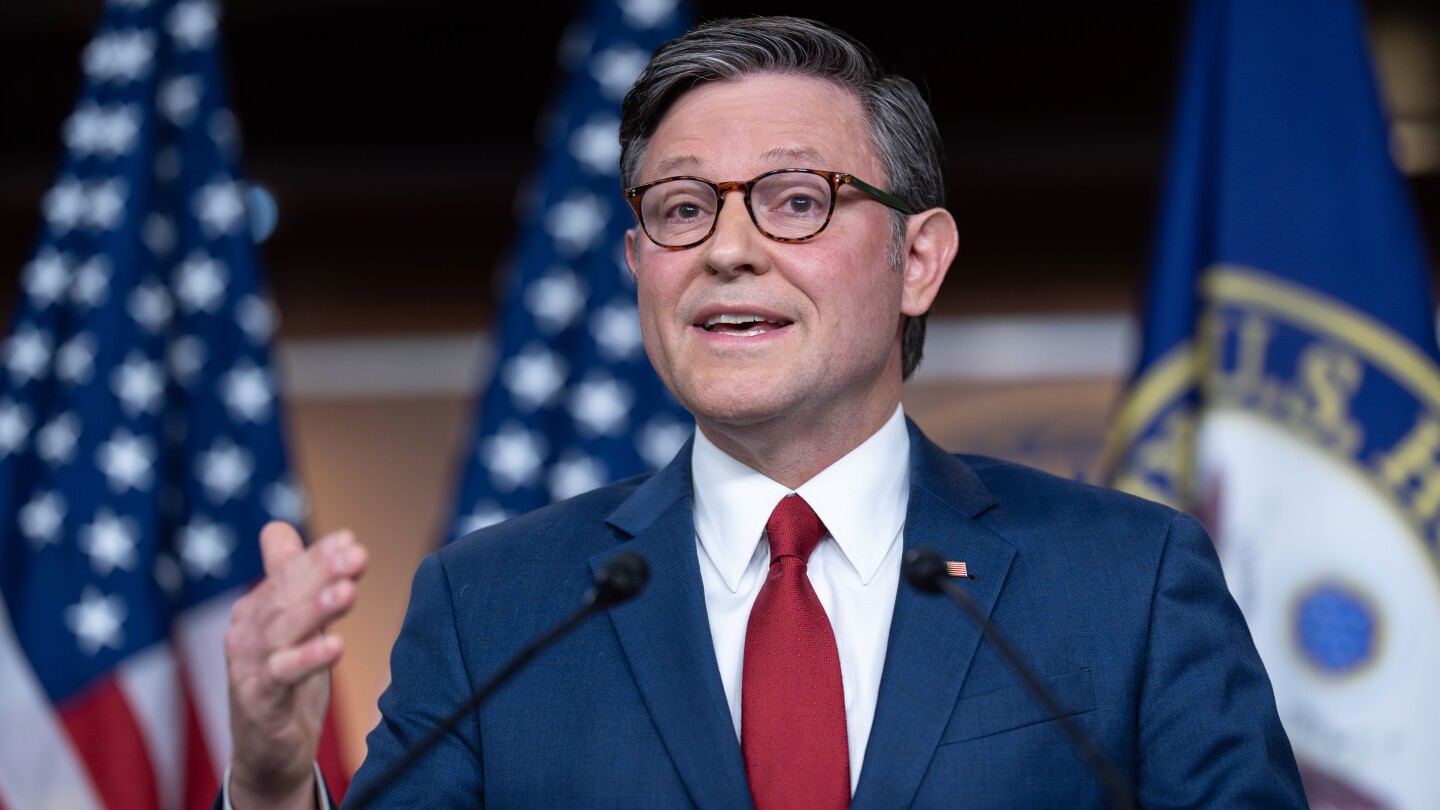
After nearly eight weeks of absence, U.S. House members are returning to Washington on Wednesday, facing a backlog of legislative priorities as Speaker Mike Johnson ends his unprecedented decision to keep the chamber closed during the government shutdown.
Representatives will first vote to reopen the government, but that’s just the beginning of a packed agenda. Lawmakers are eager to address multiple stalled issues, including efforts to release the Jeffrey Epstein files and the swearing-in of Arizona’s Rep.-elect Adelita Grijalva, whose seating Johnson has controversially delayed.
“It’s extraordinary,” said Matthew Green, a professor at the politics department at The Catholic University of America. “What Speaker Johnson and Republicans are doing, you have to go back decades to find an example where the House — either chamber — decided not to meet.”
Johnson’s decision to shutter the House during what has become the longest government shutdown in U.S. history marks a remarkable chapter in his leadership. Rather than using the speaker’s constitutional powers to actively engage in governance as the head of a coequal branch of government, Johnson effectively sidelined the chamber—a move that has shifted power to the executive branch under President Donald Trump.
“When Congress decides to turn off the lights, it shifts the authority to the executive branch. That is how it works,” Johnson said early in the shutdown, placing blame on Democrats for their stance on health care funding.
The Louisiana Republican has consistently defended his approach, arguing that the House had already fulfilled its responsibilities by passing a stopgap funding bill in September. He maintained that it was the Senate’s responsibility to act on the House’s bill, which the upper chamber repeatedly failed to advance.
“People say, why aren’t you negotiating with Schumer and Jeffries? I quite literally have nothing to negotiate,” Johnson said at one point, referring to Senate Majority Leader Chuck Schumer and House Minority Leader Hakeem Jeffries.
Instead of engaging in cross-chamber negotiations, Johnson held almost daily press conferences, conducted weekly conference calls with Republican lawmakers, and maintained private communications with Trump. He even joined the president at a Washington Commanders NFL game while the Senate was working through a weekend session to address the shutdown.
Johnson’s strategy appears to have paid off politically. Senate Democrats ultimately broke ranks and approved funding to reopen the government without the extension of Affordable Care Act health care subsidies they had been demanding to offset rising insurance premium costs for millions of Americans.
The speaker’s approach demonstrates a leadership style that manages both up—staying close to Trump—and down, maintaining rigid control over the House schedule and its members. Under a rules change implemented this year, Johnson has been able to keep the chamber closed indefinitely without requiring a formal vote, a significant departure from traditional procedure.
His leadership team has also allowed fewer opportunities for amendments on legislation, according to recent analysis. Other procedural changes have reduced the House’s ability to provide checks on the executive branch regarding Trump’s tariffs and use of war powers.
Johnson’s refusal to swear in Grijalva represents another striking demonstration of the speaker’s authority, drawing comparisons to then-Senate Majority Leader Mitch McConnell’s decision to block consideration of President Barack Obama’s Supreme Court nominee. Arizona has filed a lawsuit seeking to compel Johnson to seat Grijalva.
“It’s impressive how he’s held the conference together,” said Marc Short, who led the White House’s legislative affairs office during Trump’s first term. However, Short added, “The legislative branch has abdicated a lot of responsibility to the executive under his watch.”
As lawmakers reconvene, Johnson’s leadership will face immediate challenges as they consider the package to reopen government. The bill funds most federal operations through January 30, with certain programs including agriculture, military construction, and veterans affairs funded through September.
With House Democratic leaders already rejecting the package for failing to address health care subsidies, Johnson will need to rally his Republican colleagues—with minimal room for defections in the narrowly divided chamber.
Jeffries, who has criticized House Republicans for what he called an “extended vacation,” summed up the situation bluntly: “They’re not going to be able to hide this week when they return.”
Fact Checker
Verify the accuracy of this article using The Disinformation Commission analysis and real-time sources.

8 Comments
This seems like a recipe for gridlock and dysfunction. I hope the lawmakers can put partisan differences aside and work together to address the pressing issues facing the country.
The decision to keep the House closed during the shutdown is highly questionable. The public deserves a functional legislature that is actively engaged in the business of government.
While I understand the desire to make a statement, closing the House for so long during a government shutdown is a concerning move. The American people deserve a government that is working for them, not playing political games.
This sounds like a messy situation in the House. I’m curious to see how Speaker Johnson handles the backlog of issues and the unruly lawmakers when they return. It will be interesting to watch the dynamics play out.
Keeping the House closed during the shutdown was a bold move. I wonder what the long-term implications will be for the chamber’s functioning and credibility.
The delayed seating of Rep.-elect Grijalva is concerning. It’s important that all elected officials are able to take their seats and represent their constituents. I hope this gets resolved quickly and fairly.
Releasing the Epstein files could shine more light on some dark corners. I’m curious to see what kind of fallout might result from that.
It’s remarkable that the House has been effectively sidelined for so long. This sets a concerning precedent, regardless of one’s political leanings. Governance requires active engagement from all branches of government.