


Listen to the article
South Carolina Lawmakers Consider Nation’s Strictest Abortion Ban Amid Conservative Divide
South Carolina legislators are reviewing what could become the nation’s most restrictive abortion legislation, proposing decades-long prison sentences for women who terminate pregnancies and those who assist them. The controversial bill faces uncertain prospects but represents the expanding boundaries of abortion restrictions since the Supreme Court overturned Roe v. Wade in 2022.
The proposal would eliminate South Carolina’s current exceptions for rape and incest victims up to 12 weeks of pregnancy, allowing abortions only when the woman’s life is at risk. Current state law prohibits abortions after cardiac activity is detected, typically at six weeks—often before many women know they’re pregnant.
What sets this legislation apart from other state restrictions is its severity. Women who receive abortions could face up to 30 years imprisonment, as could anyone who helps them. The bill appears to ban intrauterine devices (IUDs) and could severely restrict in-vitro fertilization by prohibiting any contraception that prevents a fertilized egg from implanting.
Medical professionals warn the legislation would create dangerous uncertainty in healthcare settings. Dr. Natalie Gregory, an OB-GYN who testified during an eight-hour public hearing last month, described the bill as creating a “legal minefield” for physicians.
“It constitutes an unconstitutional reach that threatens the very fabric of healthcare in our state,” Gregory said, arguing the proposal wastes both time and public resources.
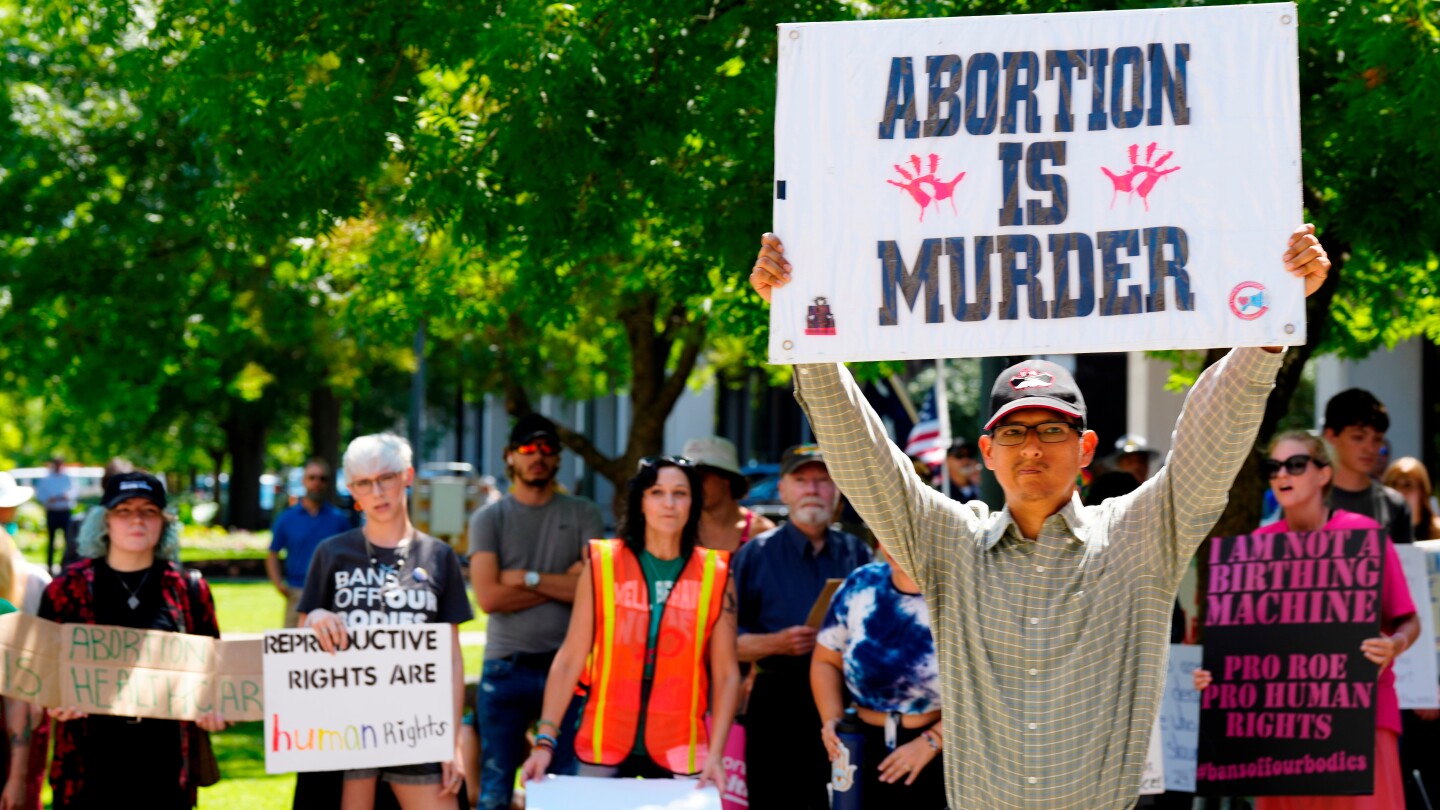
Perhaps most notably, the bill has fractured South Carolina’s anti-abortion movement. Groups that once celebrated together when the state passed its six-week ban in 2021 now find themselves at odds over punishing women.
South Carolina Citizens for Life, one of the state’s oldest and largest anti-abortion organizations, announced it cannot support the bill because it views women who get abortions as victims who shouldn’t face criminal penalties. Meanwhile, more hardline groups like Equal Protection South Carolina back the legislation.
“Abortion is murder and should be treated as such,” said Mark Corral, the group’s founder.
Mary Ziegler, a law professor at the University of California at Davis who specializes in abortion legislation, explains this division stems from longstanding messaging that labeled abortion as murder while traditionally avoiding punishment for women. Ziegler refers to groups pushing for these enhanced penalties as “abolitionists” and notes their growing influence.
“It’s not going to go away. The trajectory keeps shifting and the abolitionists have more influence,” Ziegler said. She added that as social and political discussions move rightward—including debates about same-sex marriage or women working outside the home—it becomes easier to promote restrictions that previously might never have reached legislative consideration.
The bill’s legislative path remains uncertain. A similar House bill last year received a public hearing but advanced no further, with Republican House leadership expressing satisfaction with current state law. The Senate landscape is more volatile, however, with nine of the 34 Republicans elected after the current law passed. Three of these newcomers unseated Republican women senators who had helped block stricter abortion restrictions after Roe was overturned.
Republican Senator Richard Cash, the bill’s sponsor and one of the Senate’s most vocal abortion opponents, acknowledged problems with potentially banning contraception and restricting medical advice. However, he hasn’t indicated what changes he might support as the bill moves through his subcommittee.
GOP Senate leadership has not committed to advancing the legislation beyond committee. “I can say this definitively—there has been not only no decision made to bring up that bill, there’s been no discussion about bringing up that bill,” Senate Majority Leader Shane Massey stated.
As the legislation faces its second hearing Tuesday, it represents the ongoing national struggle over abortion rights and restrictions, with conservative states continuing to test the boundaries of regulation in a post-Roe landscape.
Fact Checker
Verify the accuracy of this article using The Disinformation Commission analysis and real-time sources.

14 Comments
It will be interesting to see how this plays out legally and politically. I imagine this bill will face significant legal challenges if it advances further.
Absolutely, the courts will likely have a major say in the ultimate fate of this legislation given the questions around constitutionality and precedent.
While I understand the desire to limit abortions, the punitive nature of this bill seems extreme and counterproductive. Harsh prison sentences are unlikely to reduce demand for these services.
You raise a fair point. Heavy-handed criminalization often backfires and makes the situation worse. A more nuanced, compassionate approach may be more effective.
Ultimately, this is a complex and divisive issue that speaks to deeper societal debates around personal liberty, moral values, and the role of government. Reasonable people can disagree.
That’s a thoughtful perspective. While I strongly oppose this bill, I agree the topic deserves careful, nuanced consideration from all sides.
This proposed abortion bill in South Carolina is extremely concerning. Criminalizing women’s healthcare and access to IVF is a concerning overreach that could have severe consequences.
Agreed, these types of restrictive laws set a dangerous precedent and infringe on personal freedoms. It will be interesting to see how this plays out politically.
Eliminating exceptions for rape and incest is a particularly cruel and inhumane aspect of this legislation. Forcing women to carry pregnancies resulting from sexual assault is unconscionable.
You’re right, that provision is especially abhorrent. Lawmakers should be focused on protecting and supporting victims, not adding to their trauma.
The severity of the proposed penalties, including up to 30 years in prison, is deeply troubling. This appears to be one of the most extreme anti-abortion bills in the country.
Punishing women and medical professionals in this way is a clear violation of reproductive rights. I hope this bill does not gain traction and is firmly rejected.
Banning IUDs and restricting access to in-vitro fertilization is an alarming overreach that could have devastating impacts on women’s health and family planning.
Exactly, this bill goes far beyond abortion and infringes on basic reproductive rights and freedoms. It’s a slippery slope that must be stopped.