


Listen to the article
Some South Korean Workers Return to Georgia’s Hyundai EV Plant Following Immigration Raid
Two months after a controversial immigration raid disrupted construction at Hyundai’s electric vehicle manufacturing complex near Savannah, Georgia, some of the detained South Korean workers have returned to the United States to resume their jobs, according to company officials.
HL-GA Battery Co., which operates the battery plant under construction at the site, confirmed Thursday that work has restarted with a mix of new and returning workers. The company thanked U.S. and South Korean governments, along with Georgia officials, “for their collaboration in supporting a smooth and timely return.”
“We remain on track to start production in the first half of next year and continue to actively hire local positions to operate the facility,” the company stated.
Mary Beth Kennedy, a spokesperson for HL-GA Battery, confirmed to The Associated Press that some of the returning workers were among those detained in the September raid, though she could not specify how many had returned.
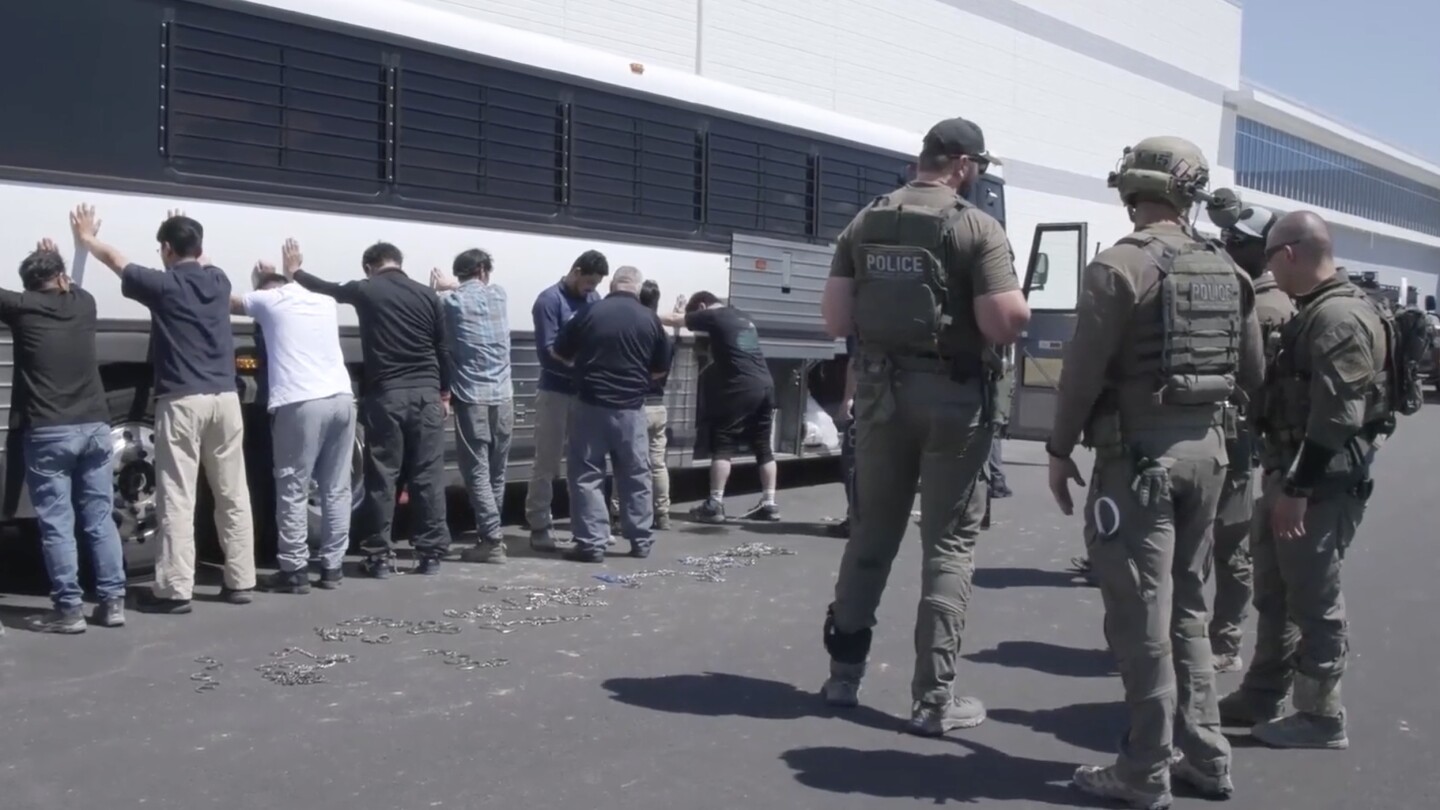
The September 4 immigration operation resulted in the detention of 475 workers at the $7.6 billion Hyundai complex, with more than 300 being South Korean nationals. U.S. Immigration and Customs Enforcement (ICE) claimed the workers had either expired visas or were in the U.S. on visa waivers that prohibited employment. After spending a week in a Georgia detention center, the South Korean government negotiated their release and arranged flights to return them to South Korea.
The raid sparked significant diplomatic tension between the United States and South Korea, a key ally that has committed hundreds of billions of dollars in American investments. Images released by ICE showing some detained workers in shackles particularly inflamed public sentiment in South Korea, with many viewing the enforcement action as unnecessarily harsh and humiliating.
The South Korean nationals caught in the raid were primarily engineers and specialized technicians brought to the U.S. temporarily to install equipment and perform skilled work essential for launching the battery plant. The facility is a crucial component of Hyundai’s American EV manufacturing strategy and operates as a joint venture between Hyundai and LG Energy Solution.
Jongwon Lee, an attorney in metro Atlanta, told reporters he has firsthand knowledge of at least two Korean nationals planning to return after the U.S. State Department confirmed their B-1 business visitor visas remained valid.
However, not all affected workers are eager to return. Kihwan Kim, president of the Federation of Korean Associations for the Southeast U.S., noted that some remain hesitant after their experience.
“They don’t have to come to the United States to work after that kind of humiliation,” Kim said. “They can go to other countries.”
The incident prompted the South Korean government to demand improvements to the U.S. visa system for skilled Korean workers. Last month, South Korea’s Foreign Ministry announced that U.S. officials had agreed to allow South Korean workers on short-term visas or visa waiver programs to assist in building industrial sites in America.
The raid occurred at one of Georgia’s most significant manufacturing investments. Hyundai’s electric vehicle campus represents a cornerstone of both the state’s industrial development strategy and the Biden administration’s push to establish domestic EV manufacturing capacity.
Former President Donald Trump initially defended the immigration operation in September, stating that the detained workers “were here illegally.” However, during an October visit to Seoul, Trump appeared to change his position, saying: “I was opposed to getting them out.”
The incident highlighted tensions between aggressive immigration enforcement policies and the practical needs of international companies making major investments in U.S. manufacturing, particularly in emerging industries like electric vehicles where specialized technical expertise is often sourced globally during initial setup phases.
Fact Checker
Verify the accuracy of this article using The Disinformation Commission analysis and real-time sources.

7 Comments
This situation highlights the complexities around immigration policies and their impact on businesses and workers. It’s encouraging to see the various government entities collaborating to support a timely resolution.
This is an interesting development. It’s good to hear that some of the detained workers have been able to return to their jobs and that the company is working to get operations back on track. I wonder how this will impact the overall project timeline and workforce.
This is an interesting case study on the intersection of immigration policy, industrial development, and international business relationships. I’ll be following this story to see how Hyundai navigates the path forward.
It’s positive that some progress has been made, but the detention of so many workers must have been quite disruptive. Maintaining workforce stability will be crucial as Hyundai ramps up production at this strategic new EV facility.
The return of some detained workers is a step in the right direction, but the broader immigration challenges facing this project will likely continue to be an area of focus. Careful collaboration between Hyundai, the government, and local stakeholders will be key.
Curious to see how this plays out long-term for Hyundai’s plans in Georgia. Immigration issues can create challenges, but it’s good the company is working with authorities to get operations back on track.
The immigration raid must have been disruptive for the Hyundai project, but it’s positive that some workers have been able to return. Maintaining a stable workforce will be crucial as they ramp up production for the new EV facility.