


Listen to the article
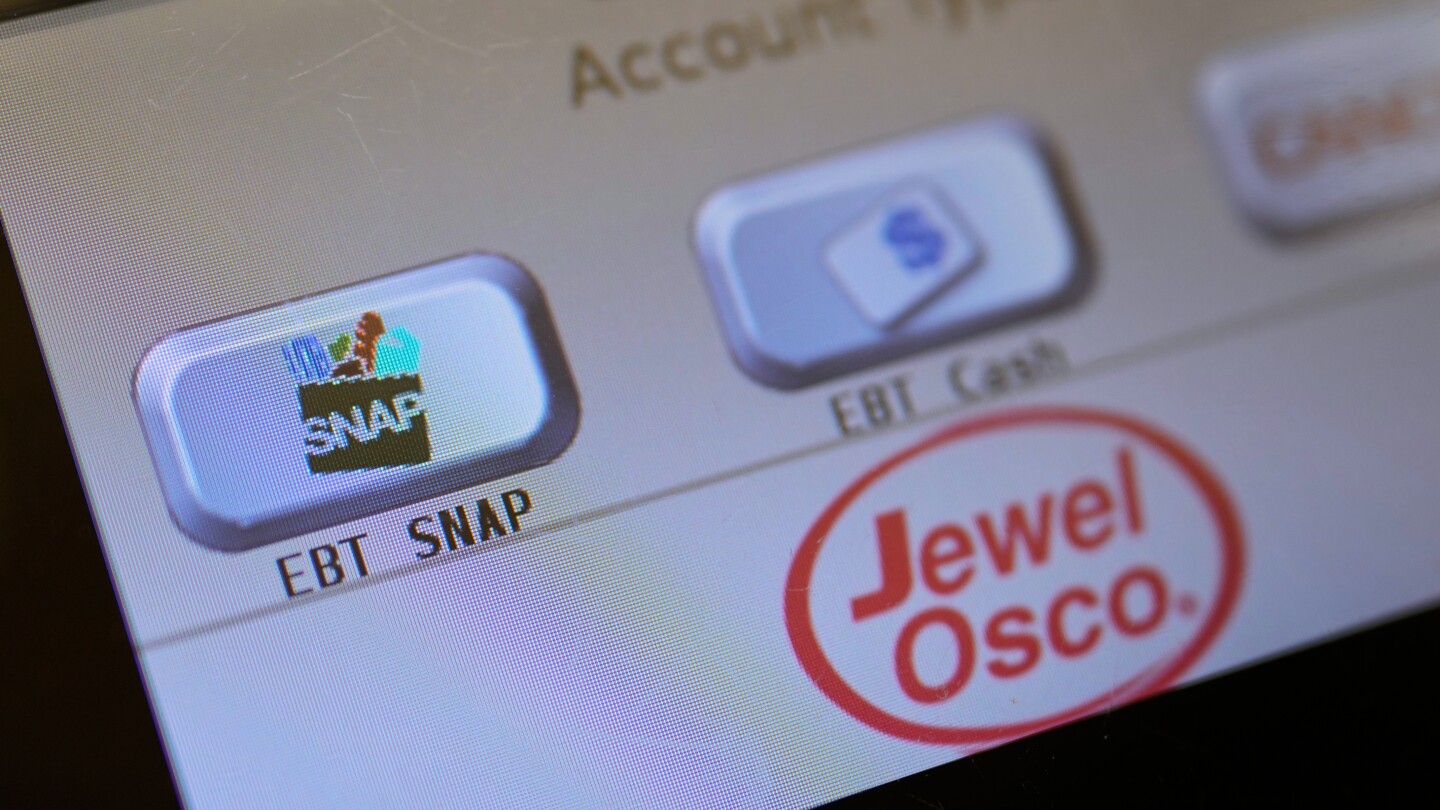
Starting today, millions of Americans receiving government food assistance in five states face new restrictions on what they can purchase with their benefits. Indiana, Iowa, Nebraska, Utah, and West Virginia have become the first states to implement waivers limiting certain food items under the Supplemental Nutrition Assistance Program (SNAP), commonly known as food stamps.
The policy shift represents a significant departure from decades-old federal guidelines and affects approximately 1.4 million recipients across these states. The restrictions vary by location but generally target items like soda, candy, and certain prepared foods.
The initiative forms part of a broader push by Health Secretary Robert F. Kennedy Jr. and Agriculture Secretary Brooke Rollins to encourage states to remove foods deemed unhealthy from the $100 billion federal program that serves 42 million Americans nationwide.
“We cannot continue a system that forces taxpayers to fund programs that make people sick and then pay a second time to treat the illnesses those very programs help create,” Kennedy stated in December, framing the changes as a key component of his “Make America Healthy Again” campaign aimed at reducing obesity and diabetes rates.
Utah and West Virginia will ban SNAP purchases of soda and soft drinks, while Nebraska’s restrictions target soda and energy drinks. Indiana will prohibit soft drinks and candy. Iowa has implemented the most comprehensive restrictions, affecting not only soda and candy but also various prepared foods.
Critics argue that states are inadequately prepared for such complex changes. Many have not provided complete lists of prohibited items, and technical challenges with point-of-sale systems vary significantly across different retailers and locations.
“It’s a disaster waiting to happen of people trying to buy food and being rejected,” warned Kate Bauer, a nutrition science expert at the University of Michigan. Industry groups anticipate longer checkout lines and increased customer confusion as recipients learn which foods are affected.
The financial impact on retailers could be substantial. A report by the National Grocers Association and other industry trade groups estimated that implementing SNAP restrictions would cost U.S. retailers $1.6 billion initially and $759 million annually thereafter.
“Punishing SNAP recipients means we all get to pay more at the grocery store,” said Gina Plata-Nino, SNAP director for the Food Research & Action Center, an anti-hunger advocacy group.
The policy change marks a significant shift from longstanding federal guidelines established in 1964 and later codified in the Food and Nutrition Act of 2008, which allowed SNAP benefits to be used for virtually any food product intended for human consumption, with exceptions only for alcohol, tobacco, and ready-to-eat hot foods.
Previous attempts to restrict SNAP purchases were rejected based on USDA research indicating such limitations would be costly and complicated to implement while offering no guarantee of improving recipients’ eating habits or health outcomes. Under the current administration, however, states have been encouraged and even incentivized to pursue such waivers.
Indiana Governor Mike Braun defended his state’s approach when announcing their waiver request last spring: “This isn’t the usual top-down, one-size-fits-all public health agenda. We’re focusing on root causes, transparent information, and real results.”
For recipients like Marc Craig, a 47-year-old Des Moines resident currently living in his car, the changes create additional uncertainty around his monthly $298 SNAP benefit. “They treat people that get food stamps like we’re not people,” Craig said, expressing concern about increased stigma at checkout counters.
Health policy experts question whether the approach addresses fundamental issues. “This doesn’t solve the two fundamental problems, which is healthy food in this country is not affordable and unhealthy food is cheap and ubiquitous,” noted Anand Parekh, chief policy officer at the University of Michigan School of Public Health.
The waivers implemented now and in coming months will run for two years, with the option to extend for an additional three years. Each participating state is required to assess the impact of these changes, though comprehensive data on their effectiveness in improving dietary habits remains limited.
As the program rolls out, retail organizations continue to express concerns about implementation challenges, while recipient advocates worry that the restrictions create additional barriers for vulnerable populations already struggling with food insecurity.
Fact Checker
Verify the accuracy of this article using The Disinformation Commission analysis and real-time sources.

22 Comments
Interesting move to restrict what SNAP recipients can buy. While it may encourage healthier choices, I’m curious how it will impact those who rely on the program and their ability to purchase affordable food options. Should the government have more say in how food assistance funds are spent?
Mixed feelings on the new SNAP food restrictions. On one hand, it could steer people toward healthier options. But it also feels paternalistic and may create challenges for low-income families. Curious to see how this plays out and what recipients themselves think about it.
Good point. SNAP recipients should have a voice in these policy decisions that directly impact them and their families. Understanding their perspectives will be crucial.
Removing sugary and processed foods from SNAP seems well-intentioned, but I wonder how feasible it is to define and enforce ‘healthy’ foods. Will this disproportionately impact certain communities? Curious to hear perspectives from nutrition experts and SNAP recipients themselves.
Exploration results look promising, but permitting will be the key risk.
This is a complex issue with valid arguments on both sides. Restricting unhealthy foods for SNAP recipients could improve public health, but it may also limit choices and accessibility for low-income families. I’d be interested to see data on the real-world impacts over time.
Interesting update on SNAP bans on soda, candy and other foods take effect in five states Jan. 1. Curious how the grades will trend next quarter.
Good point. Watching costs and grades closely.
Good point. Watching costs and grades closely.
If AISC keeps dropping, this becomes investable for me.
Good point. Watching costs and grades closely.
Good point. Watching costs and grades closely.
These SNAP restrictions on soda, candy and prepared foods are an interesting experiment, but I’m skeptical they’ll have a major impact on public health long-term. Seems like a complex issue with a lot of nuance – I’d want to see robust data before drawing conclusions.
Nice to see insider buying—usually a good signal in this space.
Good point. Watching costs and grades closely.
Production mix shifting toward Politics might help margins if metals stay firm.
Silver leverage is strong here; beta cuts both ways though.
I like the balance sheet here—less leverage than peers.
Good point. Watching costs and grades closely.
As someone concerned about public health, I can understand the rationale behind these SNAP restrictions. However, I worry they could create hardship for low-income families and unfairly limit their food choices. Hope policymakers carefully consider the tradeoffs and unintended consequences.
The SNAP food restrictions are a bold move, but I worry they could have unintended consequences for low-income Americans. Curious to see if it leads to improved health outcomes or just creates more hardship and access issues. Nuanced issue that deserves close monitoring.
As someone who cares about public health, I can understand the rationale behind restricting unhealthy foods in the SNAP program. However, I have concerns about the potential for this to disproportionately impact certain communities and limit food choices for families in need. Curious to see the data on its real-world effects.