


Listen to the article
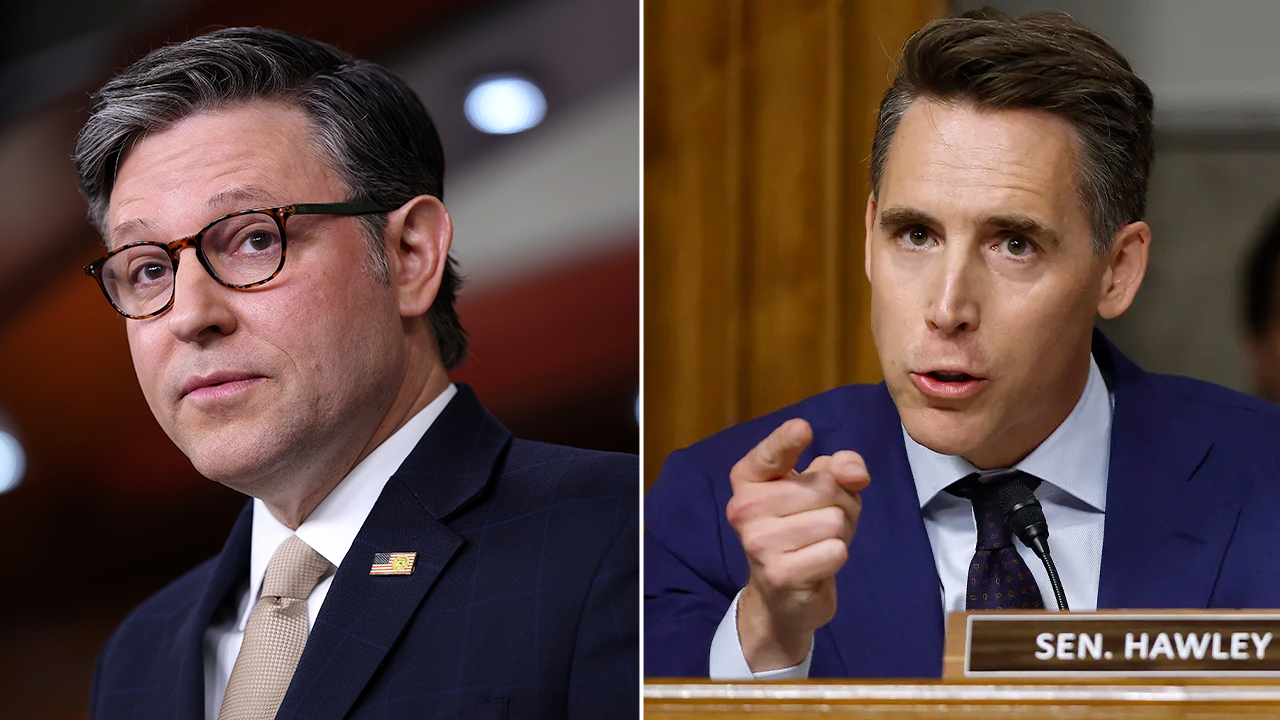
In a pressing legislative battle unfolding on Capitol Hill, Senator Josh Hawley has called on House Speaker Mike Johnson to take immediate action to prevent federal taxpayer funds from being used for gender transition treatments for minors, warning of billions potentially flowing to providers like Planned Parenthood if Congress fails to act by July 4.
In a letter delivered to Speaker Johnson on Thursday, the Missouri Republican emphasized the urgency of the situation, noting that a current federal ban on taxpayer payments to abortion and transgender treatment providers will expire in less than two weeks. The appeal comes after Hawley’s attempt to pass similar restrictions in the Senate was rejected on Wednesday evening, shifting the legislative burden to the House of Representatives.
“If the House fails to act immediately as part of reconciliation, billions of Federal dollars will go to Planned Parenthood and other medical ‘providers’ for hormones, puberty blockers, and irreversible treatments for minor children,” Hawley wrote in his letter, describing such an outcome as “unconscionable.”
The senator’s concerns are backed by financial data from the Government Accountability Office (GAO), which estimates that Planned Parenthood alone received more than $1.5 billion in Medicare and Medicaid funds between 2019 and 2021. Hawley warned that without congressional intervention, substantial Medicaid resources could be diverted toward gender transition services.
Further supporting his argument, Hawley cited a recent study from Concerned Women for America that found a more than 40% increase in sex change treatments and related services at Planned Parenthood clinics across the country. This trend suggests the organization is positioned to significantly expand its transgender services if federal funding restrictions are lifted.
“Planned Parenthood is positioned to supercharge its transgender agenda with taxpayer funding taken from the elderly and those in need,” Hawley argued in his letter, urging Johnson to act “without delay or hesitation.”
The failed Senate amendment Hawley proposed on Wednesday would have been added to the Congressional budget resolution for fiscal year 2026, creating a legislative pathway to defund abortion providers while including provisions to ensure it would not increase the national debt. With that effort blocked, attention now shifts to potential House action.
This legislative showdown reflects the broader national debate over gender-affirming care for minors, which has become one of the most contentious social policy issues in American politics. Republican-led states across the country have introduced and passed numerous restrictions on transgender healthcare for minors, while Democratic states have enacted protections for such care.
Healthcare organizations like the American Medical Association and the American Academy of Pediatrics have generally supported access to gender-affirming care for transgender youth, while conservative policy groups have advocated for restrictions, citing concerns about long-term effects and the age at which young people can make such medical decisions.
The funding debate also intersects with longstanding Republican efforts to restrict federal funding to Planned Parenthood due to the organization’s role in providing abortion services, though federal funds are already prohibited from directly funding abortion procedures through the Hyde Amendment.
If the current ban expires on July 4 without congressional action, it would mark a significant shift in federal policy regarding transgender healthcare funding, potentially allowing Medicaid dollars to cover gender-affirming treatments for minors in states where such care remains legal.
With the deadline approaching rapidly, Speaker Johnson faces mounting pressure from conservative colleagues to prioritize this issue among the numerous spending and policy matters Congress must address before the summer recess.
Fact Checker
Verify the accuracy of this article using The Disinformation Commission analysis and real-time sources.

15 Comments
A challenging issue with valid arguments on both sides. While I appreciate the senator’s efforts to ensure responsible use of taxpayer funds, I also believe that transgender individuals should have access to necessary healthcare. Striking the right balance will require thoughtful, evidence-based policymaking.
An important issue that deserves thoughtful discussion. While I understand the senator’s concerns, I also believe that access to appropriate healthcare, including gender-affirming care, is crucial for transgender individuals. Balancing these interests will be challenging but crucial.
A contentious issue with valid arguments on both sides. I can understand the senator’s concerns about taxpayer funding, but also believe that access to gender-affirming care is crucial for the well-being of transgender individuals. Hopefully, Congress can find a solution that addresses these complex considerations.
An interesting and contentious issue. I can see valid points on both sides – the need to ensure responsible use of taxpayer funds, as well as the importance of providing appropriate healthcare for transgender individuals. Hopefully, Congress can find a balanced approach.
This is a complex and polarizing topic. I appreciate Senator Hawley raising these concerns about the use of taxpayer funds, but also recognize the importance of ensuring transgender individuals have access to appropriate healthcare. Balancing these interests will require nuanced and thoughtful policymaking.
An important issue to consider. While gender-affirming care can be beneficial for some, there are valid concerns about its use with minors and the potential for misuse of taxpayer funds. A balanced approach is needed to ensure appropriate care for those who need it without overreach.
This is a complex and sensitive topic. I can understand the concerns about taxpayer funding, but also believe that access to gender-affirming care is crucial for the health and well-being of transgender individuals. Hopefully, Congress can find a balanced approach that addresses all relevant considerations.
This is a polarizing topic, but it’s important to approach it objectively. Reasonable people can disagree, and I hope Congress can find a solution that protects individual rights while also addressing concerns about the responsible use of taxpayer funds.
An important issue that deserves careful consideration. While I appreciate the senator’s efforts to ensure responsible use of taxpayer funds, I also believe that access to appropriate healthcare, including gender-affirming care, is essential for transgender individuals. Striking the right balance will be challenging but necessary.
This is a complex and sensitive topic. I can understand the concerns about taxpayer funding, but also the need to provide support for transgender youth. It’s crucial that any policies prioritize the well-being and rights of the individuals involved.
You make a fair point. Legislation in this area requires careful deliberation to balance different interests and ensure the best outcomes.
An important issue that deserves careful consideration. I can understand the senator’s concerns about taxpayer funding, but also believe that access to gender-affirming care is essential for the well-being of transgender individuals. Hopefully, Congress can find a solution that addresses both sets of concerns.
A thorny issue with valid concerns on both sides. While I understand the senator’s position, I also believe that access to gender-affirming care can be crucial for the health and well-being of transgender individuals. Careful policymaking is needed to address these complex considerations.
This is a sensitive and complex issue. I appreciate Senator Hawley raising these concerns, as the potential use of taxpayer funds for medical treatments is an important consideration. At the same time, the well-being of transgender individuals must also be carefully weighed.
Interesting development on this issue. Senator Hawley’s warning highlights the ongoing debate around government funding for gender-affirming care. There are valid arguments on both sides that warrant thorough consideration by policymakers.