


Listen to the article
SBA Suspends Nearly 7,000 Minnesota Borrowers Amid Massive Fraud Investigation
The Small Business Administration (SBA) announced Thursday it has suspended 6,900 Minnesota borrowers after uncovering what officials describe as widespread suspected fraud totaling nearly $400 million in pandemic-era relief loans.
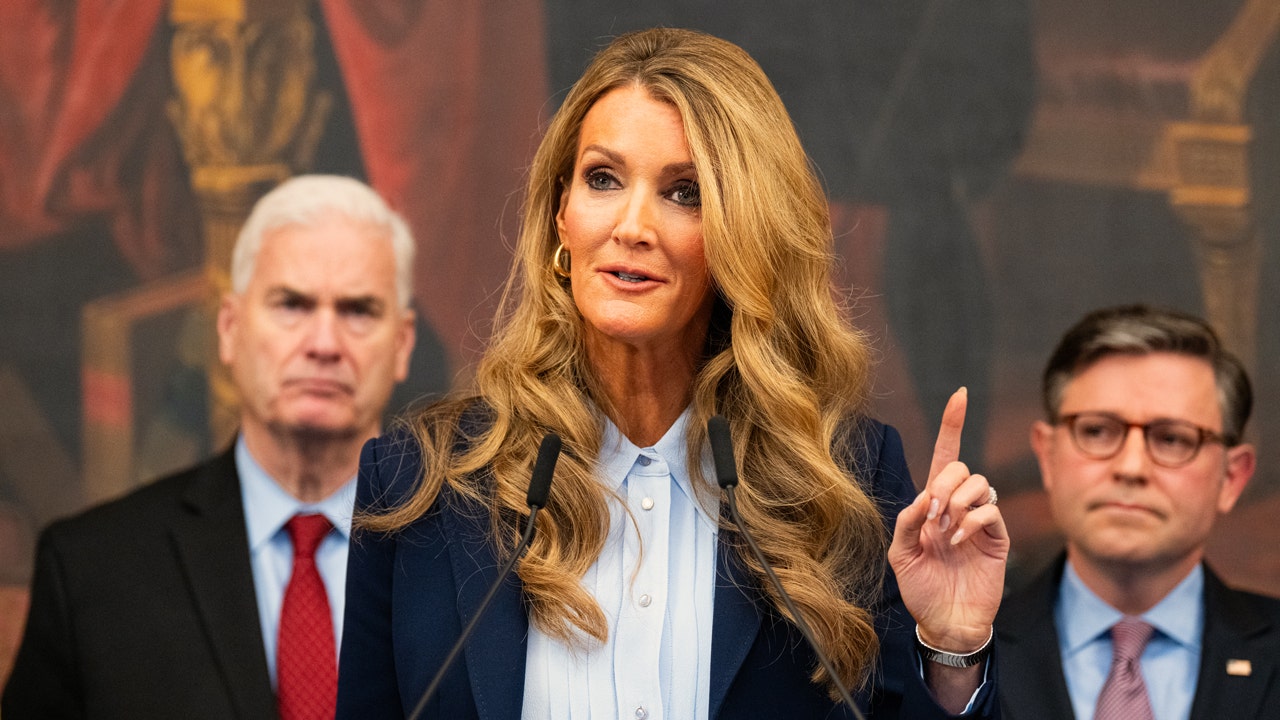
SBA Administrator Kelly Loeffler said the agency conducted an extensive review of Paycheck Protection Program (PPP) and Economic Injury Disaster Loan (EIDL) applications approved in Minnesota during the COVID-19 pandemic, identifying approximately 7,900 potentially fraudulent loans.
“These individuals will be banned from all SBA loan programs, including disaster loans, going forward,” Loeffler wrote on social media platform X. She added that appropriate cases would be referred to federal law enforcement for prosecution and to seek repayment of fraudulently obtained funds.
The crackdown represents one of the largest coordinated efforts to address pandemic relief fraud in a single state. The suspended borrowers will be prohibited from accessing any future SBA programs, effectively blacklisting them from a crucial source of small business financing.
“After years, the American people will finally begin to see the criminals who stole from law-abiding taxpayers held accountable — and this is just the first state,” Loeffler stated, suggesting similar investigations may be underway elsewhere.
The announcement comes amid growing scrutiny of Minnesota Governor Tim Walz’s administration over allegations of widespread fraud in social services programs. Earlier this week, Loeffler sent a letter to Walz announcing the immediate suspension of more than $5.5 million in annual support to SBA resource partners operating in Minnesota “until further notice.”
In her communication to Walz, Loeffler revealed that the agency had identified approximately $430 million in PPP funds connected to roughly 13,000 loans flagged as potentially fraudulent that were nonetheless funded. Many of these loans were subsequently forgiven during the Biden administration, according to the SBA.
“The volume and concentration of potential fraud is staggering, matched in its egregiousness only by your response to those who attempted to stop it,” Loeffler wrote to the governor.
Of particular concern to investigators is the alleged connection between some fraudulent activity and organized schemes. The SBA reported that at least $2.5 million in PPP and EIDL funds were linked to a Somali fraud operation based in Minneapolis.
The suspension of Minnesota borrowers represents a significant escalation in the federal government’s efforts to address pandemic relief fraud, which has been estimated to total tens of billions of dollars nationwide. The PPP and EIDL programs were created in 2020 as part of the CARES Act to provide emergency financial assistance to businesses affected by COVID-19 shutdowns.
While these programs helped many legitimate businesses survive the pandemic, their rapid deployment and initially limited verification requirements created opportunities for fraud. Federal agencies have been working to identify and prosecute those who exploited the emergency programs.
The SBA’s action in Minnesota comes as other federal agencies are also taking steps to address fraud in the state. The Department of Health and Human Services recently suspended child care payments to Minnesota over an alleged daycare fraud scheme.
Governor Walz’s office has not yet responded to requests for comment on the SBA’s actions or allegations.
The suspensions mark a significant step in addressing pandemic relief fraud, but they also raise questions about oversight failures that allowed such extensive fraud to occur in the first place. As federal authorities continue their investigation, more details about the extent of the alleged fraud and potential prosecutions are expected to emerge in the coming months.
Fact Checker
Verify the accuracy of this article using The Disinformation Commission analysis and real-time sources.

21 Comments
The cost guidance is better than expected. If they deliver, the stock could rerate.
Good point. Watching costs and grades closely.
If AISC keeps dropping, this becomes investable for me.
Good point. Watching costs and grades closely.
The cost guidance is better than expected. If they deliver, the stock could rerate.
Good point. Watching costs and grades closely.
Good point. Watching costs and grades closely.
Uranium names keep pushing higher—supply still tight into 2026.
Nice to see insider buying—usually a good signal in this space.
Good point. Watching costs and grades closely.
The cost guidance is better than expected. If they deliver, the stock could rerate.
Good point. Watching costs and grades closely.
Nice to see insider buying—usually a good signal in this space.
Good point. Watching costs and grades closely.
Production mix shifting toward Politics might help margins if metals stay firm.
Good point. Watching costs and grades closely.
Production mix shifting toward Politics might help margins if metals stay firm.
Good point. Watching costs and grades closely.
Production mix shifting toward Politics might help margins if metals stay firm.
The cost guidance is better than expected. If they deliver, the stock could rerate.
Nice to see insider buying—usually a good signal in this space.