


Listen to the article
Progressive Senate Candidate Faces Scrutiny Over Medicare-for-All Position in Michigan Race
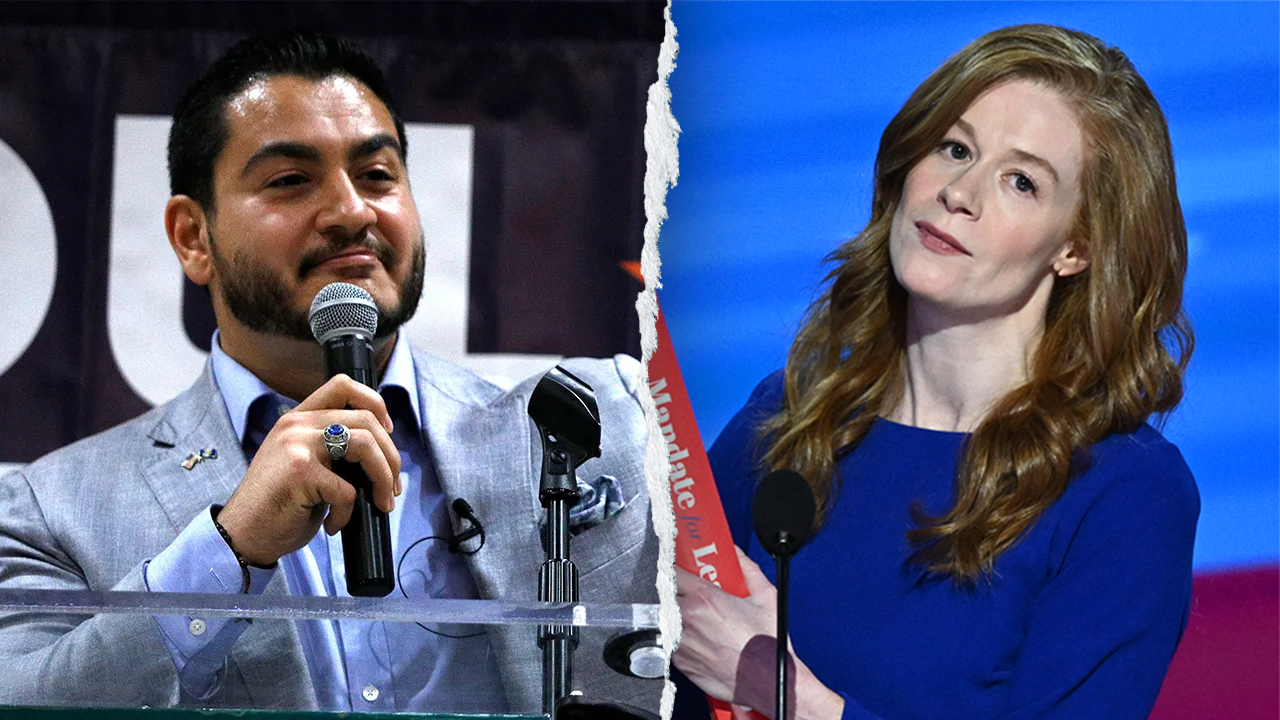
A Democratic Senate candidate in Michigan endorsed by Sen. Bernie Sanders is facing accusations of inconsistency on a key campaign platform. Abdul El-Sayed, a progressive who previously ran an unsuccessful bid for Michigan governor, has made Medicare-for-all a cornerstone of his Senate campaign but now finds himself defending his position against allegations of flip-flopping.
State Sen. Mallory McMorrow, El-Sayed’s Democratic opponent in the primary race, has accused him of backing away from a full Medicare-for-all stance and “rewriting definitions to have it both ways.”
The controversy centers on El-Sayed’s statements about private health insurance under his proposed Medicare-for-all system. In earlier writings and statements, El-Sayed advocated for a government monopsony in healthcare—where the government would be the single buyer of medical services—with limited alternatives to Medicare-for-all.
In a 2021 book he co-authored, El-Sayed wrote that limiting private alternatives would be crucial to ensuring providers accepted the insurance. “Because alternatives to M4A [Medicare-for-all] would be limited, participation of providers would be virtually guaranteed,” the book states.
During a 2024 episode of the “America Dissected” podcast, El-Sayed emphasized that “we don’t really need private health insurance in this country.” He criticized private health insurance as a “middleman” causing major healthcare problems, including spiraling costs and lack of coverage for millions of Americans.
El-Sayed has also criticized McMorrow’s support for a public option approach to universal healthcare. In October, he wrote on social media that “a public option can’t deliver healthcare to every Michigander. Medicare for All can.” According to Politico, El-Sayed called McMorrow’s universal healthcare plan with a public option “incoherent.”
However, more recent statements from El-Sayed have appeared to soften his stance on eliminating private insurance. On the Brian Tyler Cohen podcast in January, he suggested that under Medicare-for-all, “if you like your insurance from your employer or from your union, that can still be there for you.” Days later on radio station WDET, he repeated that if people like their insurance through their employer or union, “I hope that’ll be there for you.”
El-Sayed’s campaign website now states he “believes in expanding Medicare to cover every single American from cradle to grave while sustaining the option for workers to keep supplemental private insurance their unions or employers may provide.” In a January fundraising message, he wrote that “private insurance could supplement or duplicate Medicare.”
These statements appear to contrast with the Medicare-for-all Act introduced by Sanders in the Senate, which El-Sayed has previously supported. That legislation would make it unlawful for private insurers to sell coverage that duplicates the benefits provided under the act and would prohibit employers from providing duplicate benefits.
Roxie Richner, an El-Sayed campaign spokesperson, defended her candidate’s position, telling Fox News Digital, “Dr. El-Sayed is and has always been for ‘Medicare-for-all’—guaranteed public health insurance for every American. Cradle to grave. No premiums, deductibles, or co-pays.”
The dispute highlights ongoing divisions within the Democratic Party over healthcare reform approaches. While progressives like Sanders and El-Sayed have championed Medicare-for-all, other Democrats prefer expanding coverage through a public option while maintaining private insurance.
The healthcare debate has significant implications for Michigan voters. As a major manufacturing state with strong union presence, healthcare benefits negotiated through collective bargaining are particularly important to many workers. How candidates position themselves on this issue could significantly impact their performance in both the Democratic primary and general election in this crucial swing state.
El-Sayed, who would be “the first Democratic doctor elected to the U.S. Senate since 1969” according to his campaign, continues to face pressure to clarify his exact position on the role of private insurance under his Medicare-for-all plan as the primary race intensifies.
Fact Checker
Verify the accuracy of this article using The Disinformation Commission analysis and real-time sources.

8 Comments
It’s troubling to see allegations of policy reversals, especially on a signature campaign issue like Medicare-for-All. El-Sayed will need to address these concerns head-on to maintain credibility with voters.
This is an interesting development in the Michigan Senate race. Voters will be closely watching how El-Sayed handles the accusations of flip-flopping on Medicare-for-All. Transparency and accountability are key.
This policy reversal on Medicare-for-All raises some concerns. Consistency on key campaign platforms is important for building voter trust. I’m curious to hear more about El-Sayed’s rationale for the apparent shift.
Agreed, voters deserve clear and coherent policy positions from candidates. El-Sayed will need to provide a compelling explanation to reconcile his past statements and current stance.
Consistency is crucial for building voter trust in candidates. While healthcare policy is complex, El-Sayed’s apparent shift on Medicare-for-All raises valid questions that he’ll need to address.
Agreed. Voters deserve clarity and transparency from their representatives, especially on core policy platforms. El-Sayed should provide a clear explanation for the perceived reversal.
The Medicare-for-All debate is complex, with valid arguments on both sides. While I appreciate El-Sayed’s progressive vision, the accusations of flip-flopping are concerning. Transparent communication with constituents is crucial.
You make a fair point. Navigating nuanced healthcare policy positions can be challenging, but voters expect candidates to articulate their views clearly and consistently.