


Listen to the article
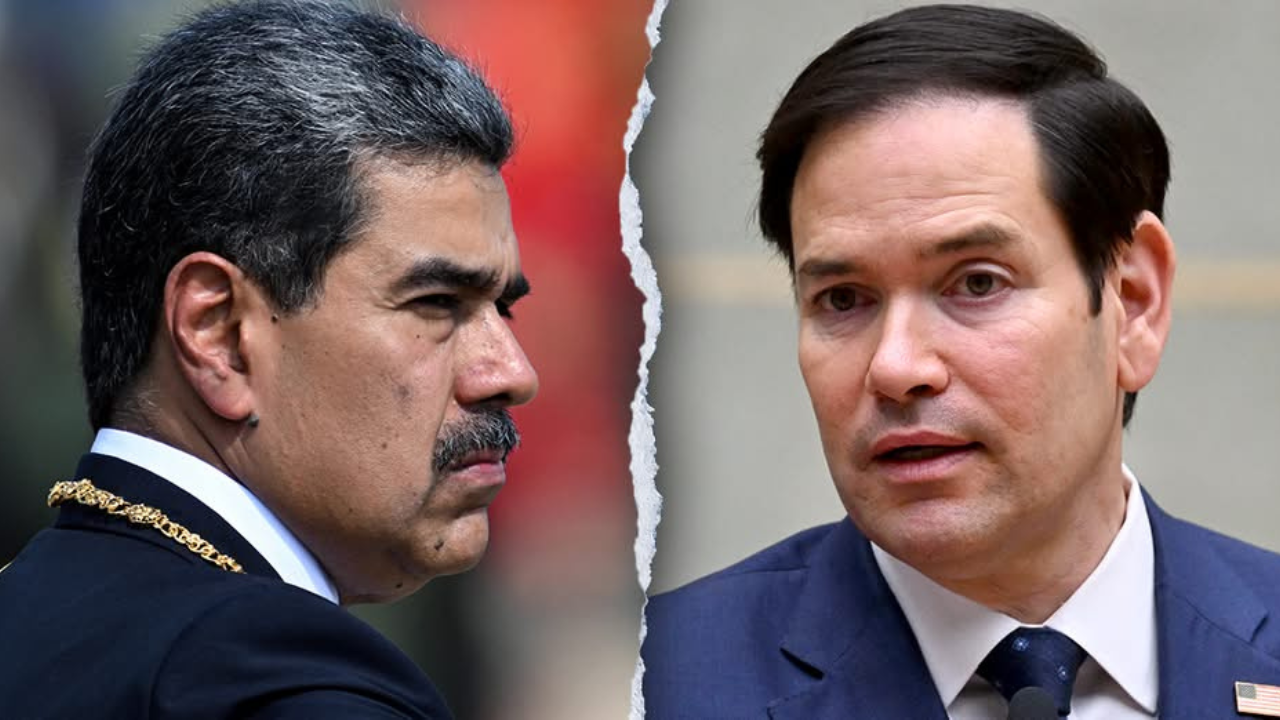
Rubio Warns Cuba Following Maduro’s Capture in Venezuela
Secretary of State Marco Rubio has issued a stark warning to Cuban leadership following the dramatic U.S. military operation that resulted in the arrest of Venezuelan President Nicolás Maduro. During a Saturday press conference detailing the operation, Rubio suggested Cuba should be “concerned” about potential shifts in American foreign policy toward the island nation.
“If I lived in Havana, and I was in the government, I’d be concerned — at least a little bit,” Rubio stated, highlighting the longstanding intelligence and security relationship between Cuba and Venezuela.
The son of Cuban immigrants, Rubio emphasized that Venezuela’s spy agency was “basically full of Cubans,” as was Maduro’s security detail. “One of the biggest problems Venezuelans have is they have to declare independence from Cuba,” he said. “They tried to basically colonize it from a security standpoint.”
The Secretary of State didn’t mince words about the Cuban government, describing it as “a disaster” run by “incompetent, senile men — and in some cases, not senile, but incompetent nonetheless.” Rubio has consistently characterized Cuba’s leadership as a dictatorship presiding over a failed state.
President Donald Trump, appearing alongside Rubio at the briefing, signaled a potential shift in focus toward Cuba, describing it as “a very badly failing nation” that his administration would “end up talking about.”
“We want to help the people,” Trump added. “It’s very similar in the sense that we want to help the people in Cuba, but we also want to help the people who were forced out of Cuba and are living in this country.”
The comments came as U.S. forces transported Maduro and his wife, Cilia Flores, aboard the USS Iwo Jima following their capture in Venezuela. According to an unsealed indictment posted on social media by U.S. Attorney General Pam Bondi, the couple faces serious charges including “drug trafficking and narco-terrorism conspiracies.”
Specifically, they are charged with narco-terrorism conspiracy, cocaine importation conspiracy, and weapons violations related to machine guns and destructive devices. The indictment alleges that Maduro and his associates partnered with drug cartels to traffic narcotics into the United States.
“Maduro and his wife will soon face the full wrath of American justice on American soil in American courts,” Bondi wrote in her social media post.
The U.S. military operation in Venezuela represents one of the most significant American interventions in Latin America in recent decades. The action has drawn both praise and condemnation from various international actors, underscoring the complex geopolitical implications of Maduro’s arrest.
The focus on Cuba follows years of deteriorating relations between Washington and Havana. The island nation has maintained close ties with Venezuela since the era of Hugo Chávez, with the two countries developing deep economic and security partnerships. Cuban intelligence services have reportedly played a significant role in helping the Maduro regime maintain control and identify opposition figures.
Regional security experts have long noted that Cuba’s influence in Venezuela extends beyond traditional diplomatic relations, with Cuban personnel embedded in key Venezuelan security and intelligence agencies. This arrangement has allowed Cuba to receive subsidized oil and other economic benefits from Venezuela while providing security expertise to the Maduro government.
As Maduro faces prosecution in the United States, questions remain about the power vacuum in Venezuela and how Cuba might respond to the potential loss of its most important regional ally. For the Cuban government, already facing severe economic challenges and international isolation, the developments in Venezuela could represent a significant setback to their regional influence and economic stability.
Fact Checker
Verify the accuracy of this article using The Disinformation Commission analysis and real-time sources.

8 Comments
The relationship between Cuba, Venezuela, and the US is deeply intertwined and fraught with history. Rubio’s comments reflect long-standing US grievances, but a new administration may seek to chart a different course. Time will tell how this plays out.
You make a good point. The Biden team may see an opportunity to reset relations with Cuba and take a more diplomatic approach to the Venezuela situation. That could be a positive development.
Rubio seems to be taking a very aggressive stance toward Cuba, perhaps to shore up his political base. However, ratcheting up tensions with Cuba could backfire and make the situation in Venezuela even more complex. A more balanced approach may be warranted.
It will be interesting to see how the Biden administration handles this situation with Venezuela and Cuba. Rubio’s comments suggest a continuation of the hardline Trump-era policies, but there may be opportunities for a new diplomatic approach.
You’re right, the Biden team may seek to de-escalate tensions rather than ratchet them up further. A more nuanced foreign policy could yield better results in the long run.
This is a complex geopolitical situation with far-reaching implications. Rubio’s comments about Cuba’s role in Venezuela seem to be escalating tensions. I wonder how the Cuban government will respond to these threats and what the long-term consequences could be.
Given the long history of US-Cuba tensions, Rubio’s rhetoric is not surprising but still concerning. A measured diplomatic approach may be better than confrontational language at this stage.
Rubio’s threats toward Cuba seem more about domestic politics than effective foreign policy. Trying to isolate Cuba further may not achieve the desired results and could even backfire. A more nuanced, multilateral approach may be called for.