


Listen to the article
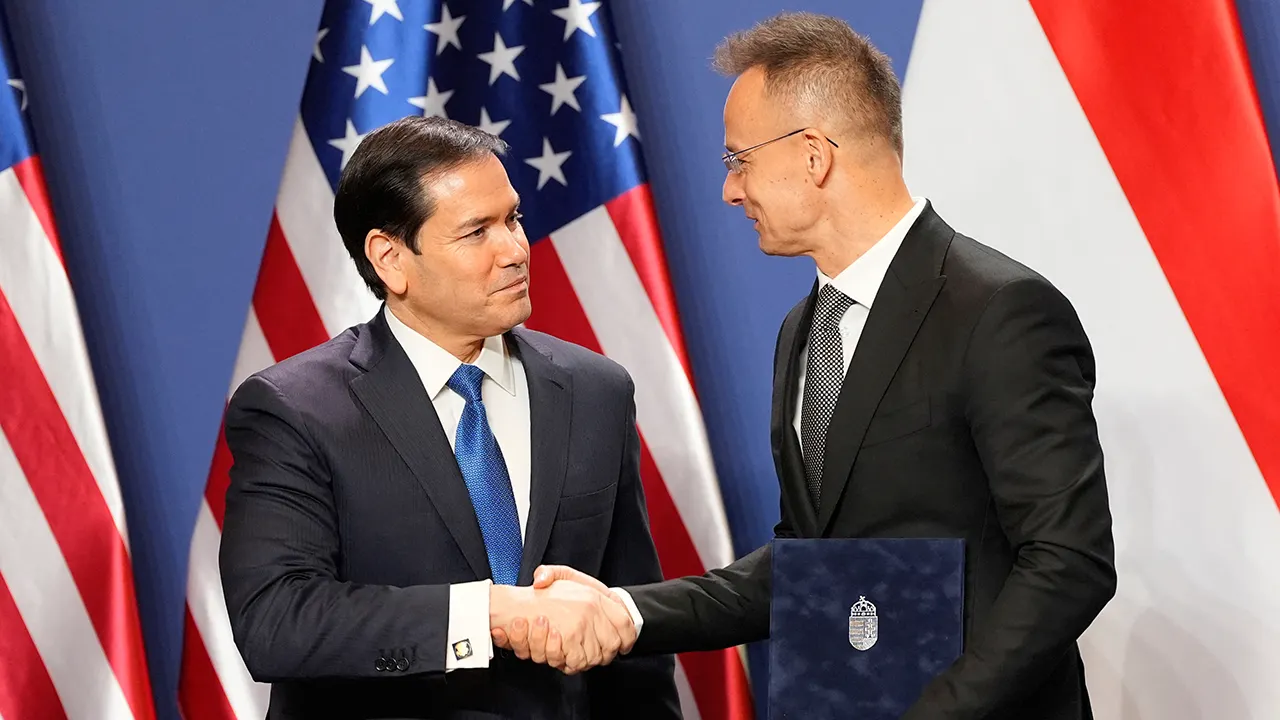
U.S. Secretary of State Marco Rubio signed a significant civil nuclear cooperation agreement with Hungary on Monday, marking a new chapter in bilateral relations between the two nations.
During the signing ceremony in Budapest, Rubio emphasized the exceptionally close relationship between the United States and Hungary, describing it as being “as close as I can possibly imagine it being.” The Secretary of State’s comments underscored the growing strategic partnership that has developed under the Trump administration.
Standing alongside Hungarian Prime Minister Viktor Orbán, Rubio declared, “Your success is our success,” signaling strong American support for Hungary’s national interests. He further assured that if Hungary encounters financial difficulties, faces “impediments to growth, or threats to national stability,” President Trump would be “very interested” in “finding ways” to provide assistance.
The nuclear agreement comes as part of broader efforts to enhance energy cooperation between the two countries. Civil nuclear agreements typically facilitate technology transfers, regulatory coordination, and commercial partnerships in nuclear power generation, which could help Hungary diversify its energy sources and reduce dependence on Russian energy imports.
The warming relationship between Washington and Budapest reflects President Trump’s personal rapport with Prime Minister Orbán, whom he has repeatedly praised and endorsed for re-election. Earlier this month, Trump took to his social media platform, Truth Social, to express support for the Hungarian leader.
“Highly Respected Prime Minister of Hungary, Viktor Orbán, is a truly strong and powerful Leader, with a proven track record of delivering phenomenal results,” Trump wrote. “He fights tirelessly for, and loves, his Great Country and People, just like I do for the United States of America.”
The U.S.-Hungary relationship has evolved significantly under the Trump administration, with both leaders finding common ground on issues like immigration control, economic nationalism, and skepticism toward certain multilateral institutions. Orbán, who has governed Hungary since 2010, has been criticized by European Union officials and human rights organizations for policies that have allegedly undermined democratic institutions.
Nevertheless, the Trump administration has prioritized bilateral ties with Hungary, viewing Orbán as an important strategic partner in Central Europe. This approach represents a shift from previous administrations that had maintained a more critical stance toward Hungary’s democratic backsliding.
The nuclear cooperation agreement signed on Monday also reflects broader geopolitical considerations in the region, particularly regarding energy security. Central European nations have been seeking to reduce their dependence on Russian energy supplies, a concern that has intensified following Russia’s invasion of Ukraine and subsequent energy disruptions across Europe.
For Hungary, developing nuclear power capacity with American assistance could provide a pathway to greater energy independence while maintaining its commitment to reducing carbon emissions. The country already operates the Paks Nuclear Power Plant, which generates approximately 40% of Hungary’s electricity.
Experts note that this agreement could potentially lead to American companies gaining access to Hungary’s nuclear energy market, which has historically been dominated by Russian firms. This economic dimension adds another layer to the strengthening U.S.-Hungary relationship.
As Rubio concluded his visit to Budapest, he emphasized that the agreement represents just one aspect of what he described as a “tremendous path to SUCCESS and cooperation” between the two nations. With President Trump having publicly endorsed Orbán for re-election, calling him “a true friend, fighter, and WINNER,” the bilateral relationship appears poised to strengthen further in the coming years.
Fact Checker
Verify the accuracy of this article using The Disinformation Commission analysis and real-time sources.

9 Comments
While the political context is important, I’m more interested in the practical implications of this nuclear cooperation agreement for the energy and mining sectors. It could have ripple effects across the broader Central European region.
Do you think this deal could open up new investment opportunities for US firms in Hungary’s uranium, nuclear fuel, or other mining projects?
Rubio’s comments about providing assistance to Hungary if needed are interesting. I wonder what kind of support the US might be willing to offer, especially given the political tensions between the two countries at times.
It will be important to watch how this agreement plays out in practice and whether it leads to tangible benefits for both nations.
This nuclear cooperation agreement seems like an important step in strengthening the strategic partnership between the US and Hungary. It’s good to see the two countries working together on energy security and civil nuclear development.
I’m curious to learn more about the specifics of the agreement and how it might impact nuclear power generation in Hungary.
From an energy and commodities perspective, this deal could open up new opportunities for US companies to participate in Hungary’s nuclear power sector. It will be worth monitoring how it impacts the uranium, nuclear fuel, and related supply chains.
I hope the agreement is structured in a way that promotes fair competition and technology transfers that benefit both countries’ energy industries.
This seems like an interesting development, though I remain somewhat skeptical about the broader geopolitical motivations behind it. I hope the agreement can be implemented in a way that genuinely benefits the energy needs of both countries.