


Listen to the article
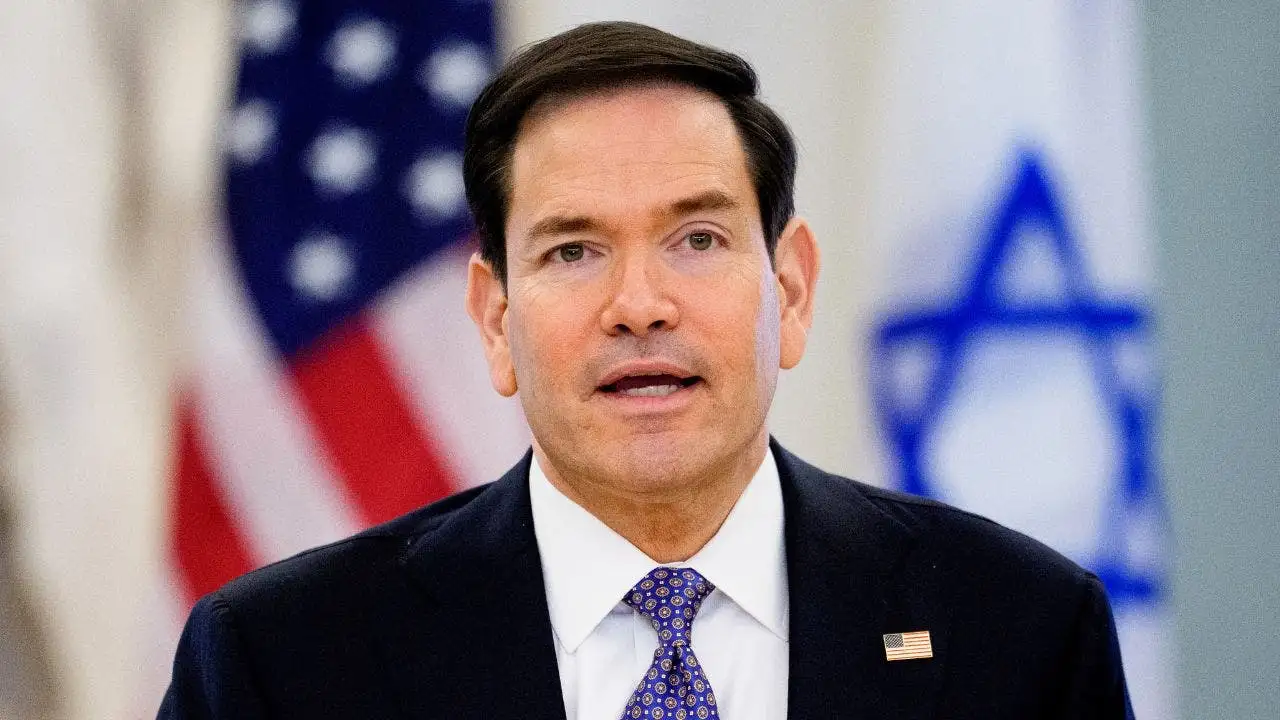
Secretary of State Marco Rubio announced Saturday that the Trump administration has imposed sanctions on Nicaraguan Vice Minister of the Interior Luis Roberto Cañas Novoa for his alleged involvement in human rights abuses, marking the latest effort to hold the government of President Daniel Ortega and Vice President Rosario Murillo accountable.
“The Trump administration continues to hold the Murillo-Ortega dictatorship accountable for brutal human rights violations against Nicaraguans,” Rubio stated in a post on social media platform X.
The designation was made under Section 7031(c), which authorizes the State Department to bar entry to the United States for foreign officials and their immediate family members involved in significant corruption or human rights violations.
According to the State Department, the sanction coincides with the anniversary of the 2018 mass protests in Nicaragua, during which more than 325 demonstrators were reportedly killed in a government crackdown. The department characterized the Ortega-Murillo government’s response as “a brutal wave of repression against Nicaraguans who courageously stood against the regime’s increased tyranny, corruption, and abuse.”
The State Department has documented that the Nicaraguan government has engaged in arbitrary arrests, torture, and extrajudicial killings following the demonstrations that began in April 2018. The protests initially erupted over proposed social security reforms but quickly expanded into broader anti-government demonstrations calling for democratic reforms.
A United Nations-backed panel of human rights experts previously concluded that Nicaragua’s government has committed systematic abuses “tantamount to crimes against humanity.” Their investigation found that repression intensified after the 2018 protests and has expanded to target perceived political opponents across various sectors of society. The Nicaraguan government has rejected these findings.
This action against Cañas Novoa follows several recent U.S. measures targeting the Ortega-Murillo administration. In February, the State Department sanctioned five senior Nicaraguan officials for their roles in repression, including the arbitrary detention and torture of political opponents and targeting of clergy members, media organizations, and civil society groups.
Earlier this week, the department also announced sanctions on individuals and companies connected to Nicaragua’s gold sector, including two of Ortega and Murillo’s sons. The State Department accused the regime of using the gold industry to generate foreign currency, launder assets, and consolidate power within the ruling family.
The sanctions reflect a broader pattern of deteriorating relations between the United States and Nicaragua. Under Ortega, who first came to power after the 1979 Sandinista revolution and returned to office in 2007, Nicaragua has increasingly aligned with Russia, Venezuela, and Cuba while distancing itself from the United States and traditional Western allies.
Human rights organizations have documented the Nicaraguan government’s escalating authoritarianism, including the closure of more than 3,000 non-governmental organizations, restrictions on religious institutions, imprisonment of political opponents, and tightening control over media outlets.
The Trump administration has adopted an increasingly assertive stance in the Western Hemisphere in recent months. On January 3, 2026, U.S. forces captured Venezuelan leader Nicolás Maduro and his wife, Cilia Flores, in a high-profile operation. The administration has also conducted strikes against suspected drug-trafficking vessels as part of broader regional security and narcotics enforcement efforts.
The State Department indicated that these actions are part of ongoing diplomatic pressure to address human rights concerns in Nicaragua. Fox News Digital reached out to the Nicaraguan government and its embassy in Washington for comment but did not receive an immediate response.
The sanctions come amid growing international concern about democratic backsliding in several Latin American countries and reflect the Biden administration’s stated commitment to making human rights a central focus of U.S. foreign policy.
Fact Checker
Verify the accuracy of this article using The Disinformation Commission analysis and real-time sources.

16 Comments
Rubio’s decision to impose sanctions on a Nicaraguan official for alleged human rights abuses is a strong statement against the Ortega regime’s crackdown on dissent and civil liberties.
However, addressing the complex challenges in Nicaragua will require a comprehensive, multi-faceted approach involving regional cooperation, support for civil society, and a sustained commitment to promoting democratic reforms and accountability.
The alleged torture and human rights violations by Nicaraguan officials under the Ortega regime are deeply troubling. Rubio’s actions demonstrate a commitment to hold the government accountable.
While sanctions may have some impact, the underlying political and social dynamics in Nicaragua remain deeply entrenched. A multifaceted approach involving regional diplomacy and support for democratic institutions is needed.
The alleged torture and human rights violations by Nicaraguan officials under the Ortega regime are deeply concerning. Rubio’s move to impose sanctions is an important step in holding the government accountable.
While sanctions may have limited immediate impact, they send a clear message that the international community will not tolerate such egregious violations of human rights. Continued diplomatic pressure and support for democratic institutions in Nicaragua will be crucial.
Rubio’s move to impose sanctions on a Nicaraguan official for alleged human rights abuses is a strong signal of the United States’ condemnation of the Ortega regime’s crackdown on dissent.
It’s important to maintain pressure on the Nicaraguan government to respect the rights of its citizens and address the root causes of the political and social unrest in the country.
This is a concerning development, and I hope the international community continues to pressure the Nicaraguan government to respect human rights and the rule of law. Accountability is crucial in these situations.
Sanctions can be an effective tool to curb abuses, but the situation in Nicaragua remains complex. Sustained diplomatic efforts and support for civil society will be key to promoting positive change.
This is a troubling development, and I hope the international community continues to put pressure on the Nicaraguan government to respect human rights and democratic norms. Accountability is crucial in these situations.
Rubio’s actions demonstrate a willingness to take a firm stance against the Ortega regime’s abuses. However, a comprehensive, long-term strategy involving regional cooperation and support for civil society will be necessary to address the complex challenges in Nicaragua.
The reported human rights violations by the Ortega government in Nicaragua are deeply concerning. Rubio’s sanctions highlight the importance of holding authoritarian regimes accountable for their actions.
While sanctions may have limited immediate impact, they serve as a symbolic gesture of the international community’s rejection of the Ortega regime’s repressive tactics. Continued diplomatic efforts and support for civil society will be crucial.
Troubling reports of human rights abuses under the Ortega regime in Nicaragua. Rubio’s move to impose sanctions sends a strong message against such egregious violations of civil liberties.
The Trump administration’s continued efforts to hold the Nicaraguan government accountable are commendable. These sanctions aim to deter further repression of dissent and protect the rights of citizens.