


Listen to the article
A bipartisan Senate group is on the verge of finalizing a plan to address rising healthcare costs, but disagreements over abortion funding restrictions have emerged as a significant obstacle to reaching consensus.
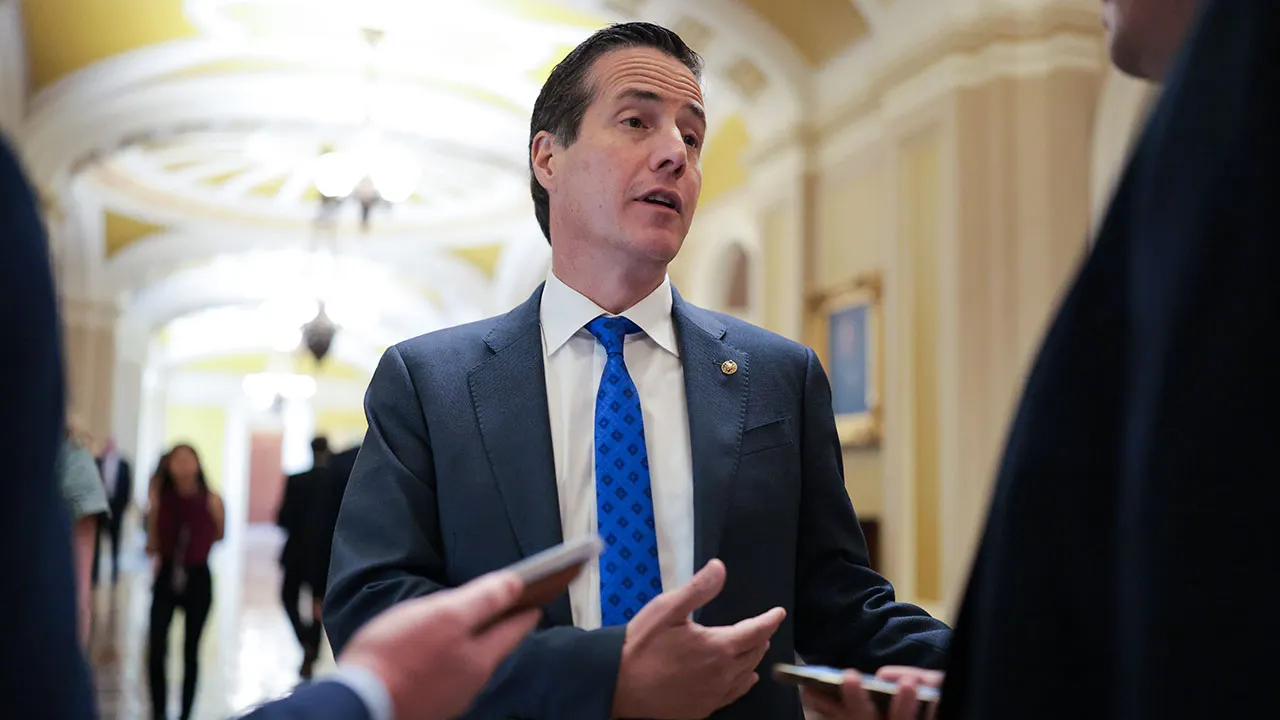
Led by Senators Susan Collins (R-Maine) and Bernie Moreno (R-Ohio), the working group has been meeting regularly since late last year, when competing partisan proposals to extend or replace expired enhanced Affordable Care Act (ACA) premium subsidies failed to advance. Now, as they prepare to unveil their framework, the thorny issue of taxpayer-funded abortions threatens to derail the entire effort.
The Hyde Amendment, which prohibits the use of federal funds for abortion services except in cases of rape, incest, or when the woman’s life is endangered, has become a central point of contention. Senate Republicans argue that the ACA doesn’t fully comply with Hyde restrictions, while Democrats maintain that no modifications to the law are necessary.
“There’s no disagreement that there should not be federal funding for abortion,” Senator Moreno explained. “Nobody on either side is wanting to relitigate that question. So we’re past that mountain. The next mountain is a dispute as to whether that is actually happening today through [Obamacare].”
The impasse deepened this week when President Donald Trump urged House Republicans to “be a little flexible” regarding the Hyde Amendment, drawing immediate pushback from Senate Republicans who insisted there was no room for compromise on the issue.
Despite this challenge, the bipartisan group has developed a two-year temporary framework aimed at addressing immediate healthcare affordability concerns while avoiding a permanent extension of ACA subsidies that would face strong opposition from conservative lawmakers.
“That’s a key thing that I got to convince my colleagues to understand, who hate Obamacare,” Moreno said. “Let’s take two years to actually deliver for the American people truly affordable healthcare and solve this problem for the people who are going to suffer as a result of not having these enhanced premium tax credits. They didn’t cause the problem, politicians caused that problem.”
The plan would extend the enhanced subsidies for two years while prolonging the ACA marketplace open enrollment period until March 1. In the first year, it would reinstate an income cap at 700% of the federal poverty level, which had been eliminated during the Biden administration’s enhancement of the subsidies.
Additionally, the proposal includes anti-fraud measures, requiring either a $5 or $60 minimum premium payment and implementing a $100,000 fine for insurance companies found to be “deliberately causing fraud” by enrolling individuals without their consent.
For the second year, the framework would offer Americans a choice between continuing with the subsidies or switching to a health savings account (HSA) option—a key Republican priority that aligns with President Trump’s healthcare agenda.
The plan would also reinstate cost-sharing reduction payments, which Senator Moreno indicates could reduce premiums for all marketplace participants by approximately 11%, according to Congressional Budget Office estimates.
Healthcare policy has long been a contentious issue in Congress, with Republicans historically opposing the ACA and Democrats fighting to preserve and expand it. This bipartisan effort represents a rare attempt to find common ground on an issue affecting millions of Americans facing increasing healthcare costs.
The working group’s proposal comes at a critical time, as many Americans who previously benefited from enhanced subsidies are experiencing premium increases following the expiration of those additional supports. Without congressional action, healthcare affordability will likely remain a significant challenge for middle-income households navigating the insurance marketplace.
As negotiations continue, the group’s ability to resolve the Hyde Amendment dispute will likely determine whether this rare bipartisan healthcare initiative can succeed where previous attempts have failed.
Fact Checker
Verify the accuracy of this article using The Disinformation Commission analysis and real-time sources.

15 Comments
Production mix shifting toward Politics might help margins if metals stay firm.
Good point. Watching costs and grades closely.
Good point. Watching costs and grades closely.
If AISC keeps dropping, this becomes investable for me.
Good point. Watching costs and grades closely.
Good point. Watching costs and grades closely.
Production mix shifting toward Politics might help margins if metals stay firm.
Good point. Watching costs and grades closely.
Good point. Watching costs and grades closely.
The cost guidance is better than expected. If they deliver, the stock could rerate.
Good point. Watching costs and grades closely.
Good point. Watching costs and grades closely.
The cost guidance is better than expected. If they deliver, the stock could rerate.
Good point. Watching costs and grades closely.
Good point. Watching costs and grades closely.