


Listen to the article
In a groundbreaking investigation, the Howard Center for Investigative Journalism at the University of Maryland has uncovered alarming failures in America’s rail safety system, where human errors and track defects have caused over 3,000 rail accidents in the past decade, resulting in 23 deaths and nearly 1,200 injuries.
The analysis reveals a troubling pattern: the Federal Railroad Administration (FRA) has fully implemented just five of the 81 safety recommendations issued by the National Transportation Safety Board (NTSB) between 2015 and 2024. This represents the lowest compliance rate among any regulatory agency within the Department of Transportation.
Behind this regulatory inaction stands a powerful rail industry that actively works to impede safety reforms while simultaneously lobbying to reduce track inspection requirements and loosen rules designed to prevent crew fatigue.
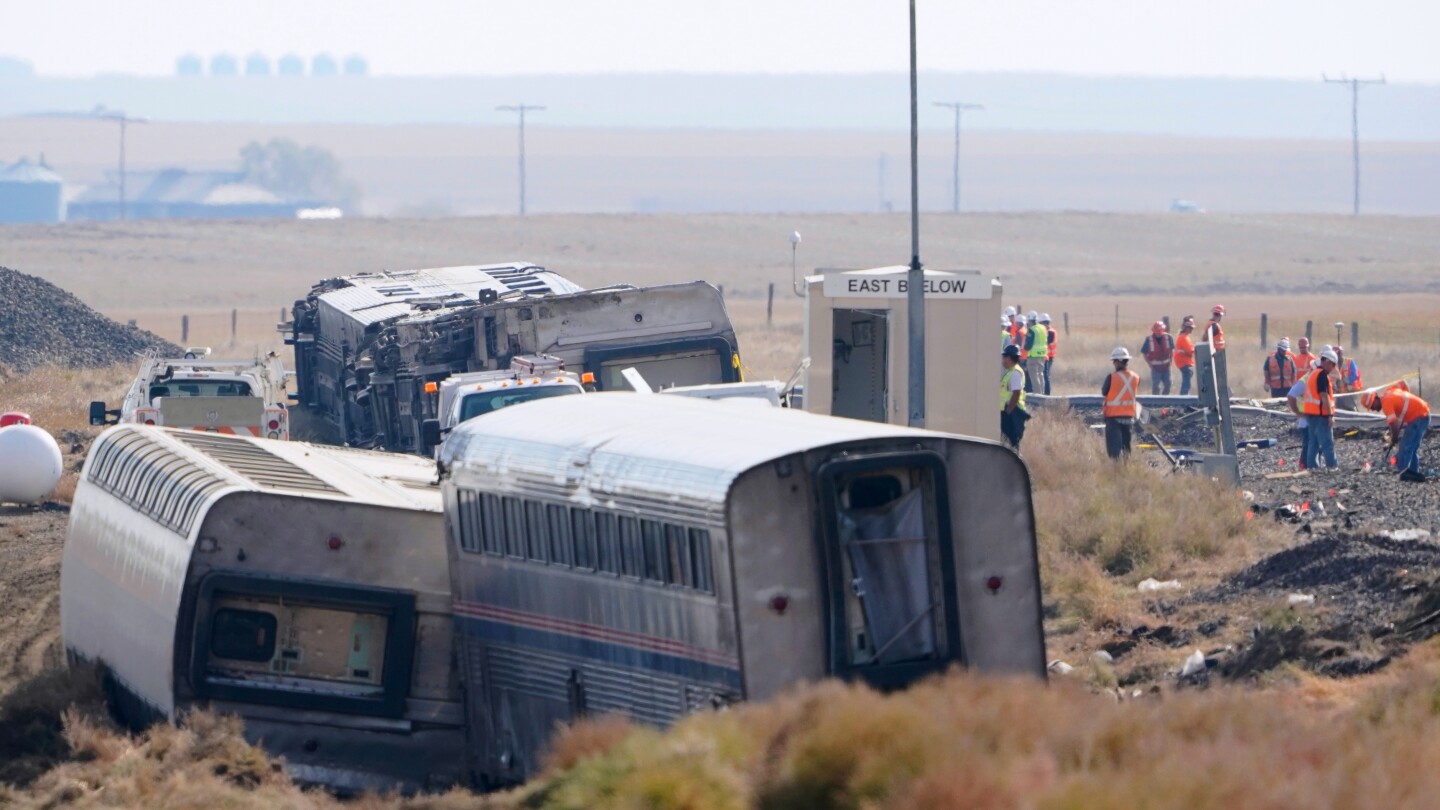
One tragic example highlights the consequences of these systemic failures. In September 2021, an Amtrak Empire Builder passenger train derailed in Joplin, Montana, killing three passengers and injuring 49 others. The victims included 28-year-old Zach Schneider and a couple, Margie and Don Varnadoe, who were celebrating their 50th wedding anniversary.
NTSB investigators determined the derailment was caused in part by worn-down rail and other track defects owned by BNSF Railway. They concluded that a BNSF inspector likely missed these critical defects due to an excessive workload – a problem the NTSB had previously warned about.
The investigation further criticized the FRA for failing to establish rules for track replacement or inspector workloads, issues the safety board had repeatedly raised after previous accidents.
When contacted, FRA spokesperson Warren Flatau stated the agency currently has 102 open safety recommendations, some dating back to 1998, and is “taking action or planning to take action” on more than 70% of them. However, the agency provided no specific details on what actions are being taken.
The Howard Center’s analysis uncovered a recurring cycle of industry opposition, regulatory inaction, congressional capitulation, and ultimately, tragedy. This pattern is evident in the decades-long battle over critical safety issues including track defect standards and measures to prevent crew fatigue.
For example, the NTSB first called on regulators to set limits on rail wear after a dangerous 1980 derailment in Muldraugh, Kentucky, involving vinyl chloride – the same chemical involved in the 2023 East Palestine disaster. Despite a 1998 FRA-sponsored study confirming such limits would improve safety, the agency never established regulations.
In the 45 years since that recommendation, track defects have contributed to nearly 15,000 main-line accidents, killing 44 people and injuring 2,300 others.
Meanwhile, the Association of American Railroads (AAR), the industry’s largest trade group, has pushed to reduce human inspection requirements in favor of automated systems. While the industry argues this technology improves safety, rail inspectors maintain that automation cannot replace human oversight for most defects.
“There’s just no replacement for getting out there and putting boots on the ground,” said Norfolk Southern inspector Lance Marston.
The investigation also highlighted critical issues with crew fatigue. After a 2004 accident in Macdona, Texas, where fatigue led to a collision that killed three people and released 9,000 gallons of chlorine gas, the NTSB recommended better crew scheduling regulations. Despite congressional mandates in 2008, the FRA only completed approval of railroad fatigue management plans this year – 15 years later.
The industry’s playbook for delaying safety measures was perhaps most evident in the 50-year battle over positive train control technology, which automatically stops trains if crews fail to respond. First recommended in 1970, implementation was repeatedly delayed through industry lobbying until final compliance in 2020. By then, 154 preventable accidents had claimed 300 lives and injured 6,800 people.
As recently as this spring, the AAR submitted a list of 80 regulations to the Trump administration for modification or repeal, including minimum two-person crew requirements and fatigue management rules. The trade organization claimed its goal was to reduce regulatory burdens in a “manner that is consistent with railroad safety.”
While BNSF, Norfolk Southern, and Union Pacific all provided statements claiming commitment to safety, the investigation reveals a troubling gap between industry rhetoric and the reality of rail safety in America.
Fact Checker
Verify the accuracy of this article using The Disinformation Commission analysis and real-time sources.

9 Comments
The rail industry’s tactics to block safety reforms are both cynical and dangerous. Prioritizing profits over human lives is unacceptable. Regulators must stand firm and force the implementation of all critical NTSB safety recommendations, no matter the industry pushback.
Deeply saddened to read about the 2021 Amtrak derailment and the loss of life. My condolences to the victims’ families. This highlights the urgent need for greater rail safety oversight and enforcement of critical NTSB recommendations.
Agreed, that accident was a preventable tragedy. Regulators can’t let the railroad industry continue to obstruct important safety measures. Meaningful change is needed to protect passengers and workers on America’s rail network.
This report sheds important light on a serious issue that has flown under the radar for too long. The lack of meaningful rail safety oversight is deeply troubling. Policymakers need to take swift action to rein in the industry’s influence and put public welfare first.
This is a concerning report on the failure of rail safety regulations. Clearly the railroad industry has too much sway over regulators, putting profits before passenger and worker safety. More transparency and independent oversight is needed to address these deadly issues.
Tragic that more hasn’t been done to implement critical safety recommendations. With thousands of accidents and over a thousand injuries, the human toll is unacceptable. Regulators must stand up to industry pressure and prioritize safety over commercial interests.
This is a damning indictment of the FRA’s failure to uphold its regulatory responsibilities. With such a low implementation rate of NTSB safety recommendations, it’s clear the agency is not fulfilling its mission to safeguard the public. Urgent reforms are needed.
Interesting that the FRA has such a poor track record on implementing NTSB safety recommendations. I wonder what the justifications are from the railroad companies for resisting these important reforms. Seems like a classic case of regulatory capture hurting the public.
You’re right, the industry likely fights tooth and nail to block any regulations that could impact their bottom line, even if it puts lives at risk. Regulators need to grow a backbone and put public safety first.