


Listen to the article
Puerto Rico Governor Signs Bill Recognizing Unborn Child as Human Being
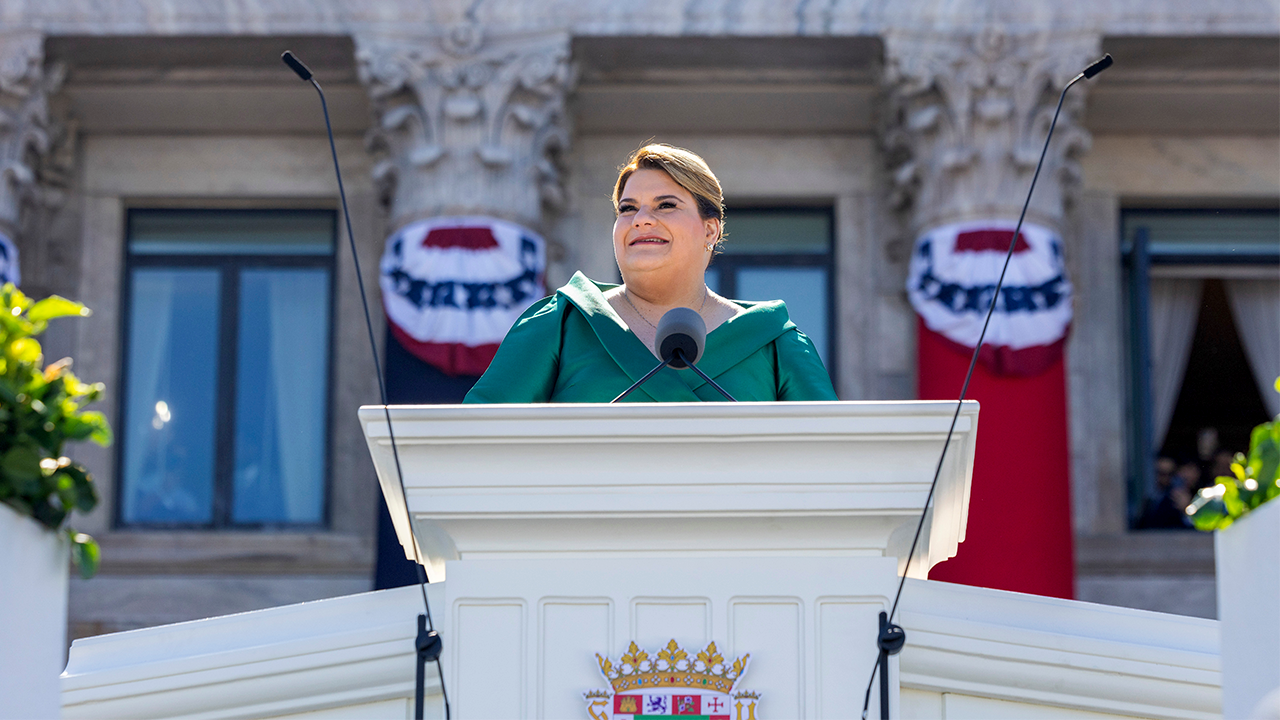
Puerto Rico’s Republican Governor Jenniffer González has signed into law a controversial bill that amends the territory’s Penal Code to recognize an unborn baby as a human being at any stage of gestation. The legislation has sparked intense debate about its potential implications for abortion rights in the U.S. territory.
In a statement released Thursday, González explained that the measure “aims to maintain consistency between civil and criminal provisions by recognizing the unborn child as a human being.” The amendment, contained in Senate Bill 923, alters the definition of murder within Puerto Rico’s Penal Code.
According to the government, the amendment complements existing law that classifies the killing of a pregnant woman resulting in the death of her unborn child at any stage of gestation as first-degree murder. The legislation was named after Keishla Rodríguez, a pregnant woman who was murdered in April 2021 by her partner, former boxer Félix Verdejo, who received two life sentences for the crime.
While supporters frame the law as focusing on enhanced penalties for crimes against pregnant women, critics view it as potentially laying groundwork for restricting abortion access, which currently remains legal in Puerto Rico.
“A zygote was given legal personality,” said Rosa Seguí Cordero, attorney and spokesperson for the National Campaign for Free, Safe and Accessible Abortion in Puerto Rico. “We women were stripped of our rights.”
The medical community has also expressed serious concerns. Dr. Carlos Díaz Vélez, president of Puerto Rico’s College of Medical Surgeons, warned that the new law could lead to “defensive health care,” where doctors might refuse to treat complicated pregnancies for fear of facing murder charges.
“This will bring complex clinical decisions into the realm of criminal law,” Díaz told The Associated Press, adding that it would have “disastrous consequences.” He also noted that the amended law potentially allows third-party intervention between a doctor and pregnant woman, which could violate privacy laws.
The healthcare system, Díaz argued, is unprepared for these changes, stating: “The system is not prepared for this.”
Critics have also taken issue with the legislative process itself, claiming the amendment was approved without adequate public hearings or discussion.
“There is no doubt that the measure did not undergo adequate analysis before its approval and leaves an unacceptable space for ambiguity regarding civil rights,” said Annette Martínez Orabona, executive director for the American Civil Liberties Union in Puerto Rico. “The legislative leadership failed to fulfill its responsibility to the people, and so did the governor.”
The new law in Puerto Rico comes amid a broader national context of evolving abortion legislation following the U.S. Supreme Court’s 2022 decision to overturn Roe v. Wade. While some states have moved to protect abortion access, others have implemented restrictions or bans.
This legislative change in Puerto Rico represents a significant development in the ongoing debate over reproductive rights and fetal personhood in the United States and its territories. Legal experts anticipate potential court challenges as the full implications of the law become clearer in practice.
The controversy underscores the complex intersection of medical ethics, criminal justice, and reproductive rights that continues to divide public opinion throughout the United States and its territories.
Fact Checker
Verify the accuracy of this article using The Disinformation Commission analysis and real-time sources.

22 Comments
As someone who follows developments in the mining and energy sectors, I’m curious about how this law might impact industries that involve extracting or processing natural resources. There could be some interesting angles to explore there.
Given the potential legal and economic ramifications, I imagine this law will be closely watched by a range of stakeholders beyond just the reproductive rights community.
As someone who follows the mining and energy sectors, I’m curious about how this law might impact industries that involve the extraction and processing of natural resources. There could be some interesting legal and regulatory angles to explore.
Given the high stakes and polarized political environment, I expect this issue to be hotly debated in the months and years ahead. It will be important to keep an open mind and consider multiple perspectives.
This is an interesting development in the ongoing debate around the legal status of the unborn. I’m curious to hear legal experts weigh in on the potential implications of this law.
Recognizing unborn babies as human beings is a bold and controversial move. I’m interested to see how the courts might interpret and apply this new legislation.
Recognizing unborn babies as human beings is a controversial move that could have far-reaching consequences. I’m curious to hear more perspectives on the potential effects of this legislation.
This is a highly charged political issue. I hope the debate around this law remains civil and focused on the nuances rather than devolving into partisan rhetoric.
This is a fascinating and complex issue that touches on fundamental questions of human rights and personhood. I’ll be following the developments closely to see how this law is interpreted and applied, and what the broader implications might be.
Recognizing unborn babies as human beings is a bold and controversial move that could have far-reaching consequences. I’m curious to hear legal experts weigh in on the potential ramifications for issues like abortion access and criminal law.
As a supporter of reproductive rights, I’m concerned about how this law could impact access to abortion in Puerto Rico. I’ll be following this story closely to see how it unfolds.
While the intention to protect pregnant women is understandable, enshrining fetal personhood in law is a complex issue with many potential ramifications.
As someone with a background in the mining industry, I wonder if this law could have any indirect impacts on resource extraction and processing activities in Puerto Rico. It’s an interesting angle to consider.
Given the intense political and ideological divisions around this issue, I expect the debate around this law to be quite heated and polarized.
This is a complex and sensitive issue around the legal status of unborn babies. I’m interested to see how this law will be implemented and its potential impact on reproductive rights in Puerto Rico.
It’s good to see efforts to enhance penalties for crimes against pregnant women, but the broader implications need to be carefully considered.
This is a complex and sensitive topic that touches on fundamental questions of human rights and personhood. I’ll be following the developments closely to see how this law is interpreted and applied.
Recognizing unborn babies as human beings is a bold and controversial move. I’m curious to hear legal experts weigh in on the potential ramifications for issues like abortion access and criminal law.
This is a bold and controversial move by the Puerto Rico governor. I’ll be curious to see how the courts interpret and apply this new legislation, and what the broader implications might be.
Recognizing unborn babies as human beings is a significant shift in the legal landscape. I’m interested to hear legal experts weigh in on the potential precedents this could set.
I’m torn on this issue. While I understand the desire to protect pregnant women, I’m worried about the potential impact on reproductive rights. It’s a complex topic that deserves careful consideration.
This is a highly charged political issue, and I expect we’ll see intense debate around the implications of this law in the months and years ahead.