


Listen to the article
Former New Jersey Governor McGreevey Defeated in Jersey City Mayoral Bid
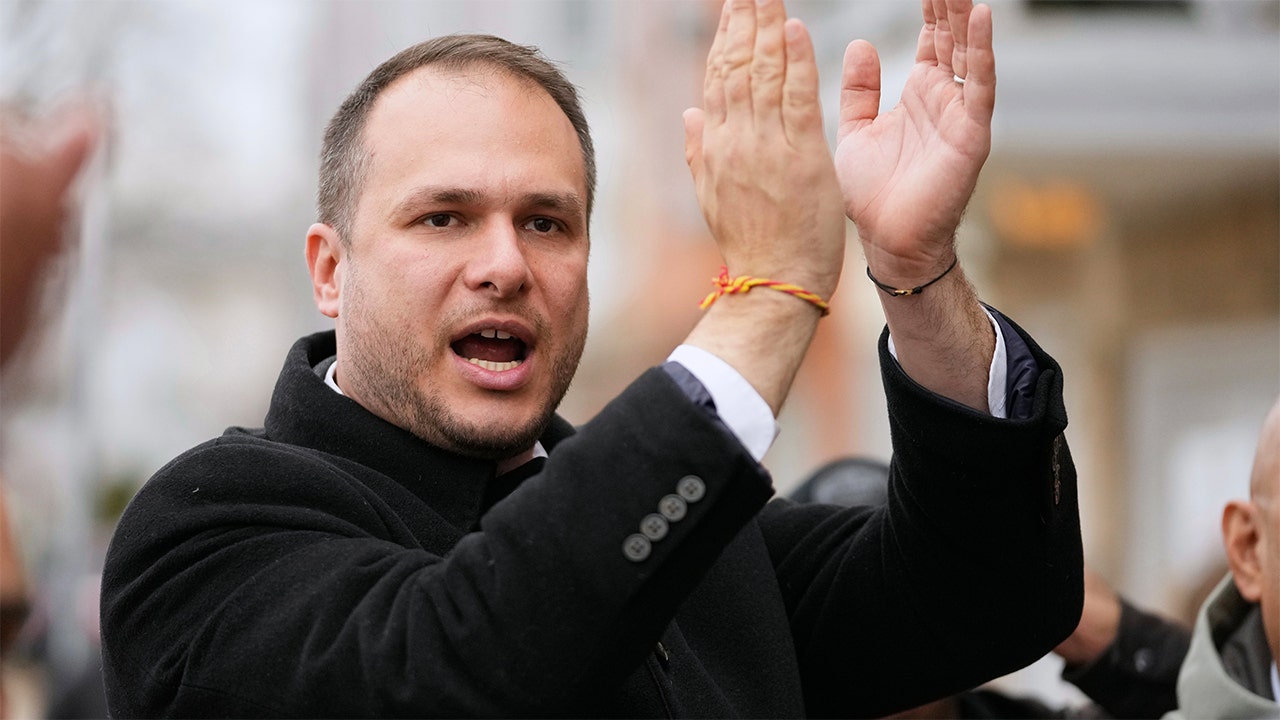
Former New Jersey Governor Jim McGreevey’s attempt at political redemption ended in defeat Tuesday as Jersey City voters chose 41-year-old City Councilman James Solomon in a closely watched runoff election for mayor.
The election marks the second recent case of a disgraced former governor failing to mount a political comeback in the region. Just one month earlier, former New York Governor Andrew Cuomo lost his bid to become New York City’s mayor to democratic socialist Zohran Mamdani.
Solomon, who secured his victory according to the Associated Press, will succeed outgoing Mayor Steven Fulop, whose own gubernatorial ambitions were cut short following defeat in June’s Democratic primary.
The Jersey City contest moved to a runoff after the November general election saw McGreevey and Solomon emerge as the top vote-getters among seven candidates, with neither securing a majority of votes. Though both candidates ran as Democrats, the election was officially nonpartisan, reflecting the city’s progressive political landscape.
McGreevey, 68, had been seeking to rebuild his political career two decades after a dramatic fall from power. In 2004, he resigned as New Jersey’s governor after revealing he was gay and admitting to an extramarital affair with a male staff member whom he had appointed as the state’s homeland security adviser. That staffer later denied the affair and claimed sexual harassment.
In the years following his resignation, McGreevey reinvented himself as the executive director of a nonprofit organization providing rehabilitation services to formerly incarcerated individuals, those recovering from addiction, and veterans returning from combat. Throughout his mayoral campaign, he described himself as a “champion of second chances” — a personal narrative that ultimately failed to persuade enough Jersey City voters.
Solomon, by contrast, represents a new generation of leadership in Jersey City politics. First elected to the city council in 2017, he brings experience as an adjunct professor and previous work in the administrations of Boston Mayor Thomas Menino and then-Newark Mayor Cory Booker, who now serves as a U.S. Senator.
The Jersey City result continues a pattern of established political figures struggling to overcome past scandals. Cuomo, who resigned as New York’s governor in 2021 amid sexual harassment allegations, suffered dual defeats in his mayoral bid — first losing the Democratic primary to Mamdani in June, then falling short again as an independent candidate in November’s general election.
Political analysts note that both McGreevey and Cuomo faced an increasingly challenging political environment for comeback attempts, with progressive voters demonstrating skepticism toward establishment figures with controversial pasts. The victories of younger, more progressive candidates like Solomon and Mamdani suggest a shifting political landscape in urban centers throughout the Northeast.
Jersey City, New Jersey’s second-largest city with approximately 300,000 residents, has experienced significant development and demographic changes in recent years. Once primarily known as an industrial center, it has transformed into a diverse, rapidly growing community attracting young professionals, families, and businesses seeking proximity to Manhattan with relatively lower costs.
The election’s outcome will likely influence Jersey City’s approach to ongoing challenges including affordable housing, infrastructure development, and community policing — issues that featured prominently in both candidates’ campaigns during the competitive runoff.
Solomon is expected to take office in January, becoming the newest mayor in a city that has seen significant economic growth and demographic shifts during Fulop’s tenure.
Fact Checker
Verify the accuracy of this article using The Disinformation Commission analysis and real-time sources.

22 Comments
This election outcome highlights the growing influence of progressive and left-leaning politics, even in traditionally more moderate areas. It will be interesting to see how the new mayor’s agenda and policies take shape.
What do you think were the key factors that motivated voters to support the progressive challenger in this race?
The defeat of a former governor in this mayoral race is a noteworthy development. It suggests that voters in Jersey City are ready for a new generation of leadership that can address their concerns and priorities.
I wonder what key factors or issues drove voters to support the progressive challenger in this race.
The victory of the progressive candidate in this nonpartisan election is a noteworthy development. It suggests that voters in Jersey City are seeking leaders who can bring fresh ideas and a bold vision to address the city’s challenges.
I’m curious to learn more about the specific policy proposals and campaign platforms that resonated with voters in this election.
This election result reflects the growing influence of progressive and left-leaning politics, even in traditionally more moderate areas. It will be interesting to see how the new mayor’s agenda and policies take shape.
What do you think were the key factors that motivated voters to support the progressive candidate in this race?
The defeat of former Governor McGreevey is a significant political development. It seems voters were ready for a change and wanted a new vision for Jersey City.
I’m curious to learn more about the key issues and policy platforms that resonated with voters in this election.
This election result is a significant political shift, with a progressive newcomer defeating an establishment candidate. It will be fascinating to see how the new mayor approaches governance and shapes the city’s priorities.
Do you think this election outcome could have broader implications for the region or even national politics?
The victory of the progressive candidate in this nonpartisan race highlights the growing influence of left-leaning politics, even in traditionally more moderate areas. It will be worth following how this new administration shapes the city’s agenda.
Do you think this election result could have broader implications for the region or even national politics?
Interesting to see a progressive challenger unseat the establishment candidate in Jersey City. This election reflects the shifting political landscape, where voters are looking for fresh ideas and bold leadership.
It will be interesting to see how the new mayor approaches the city’s challenges and priorities.
This election outcome is a reminder that voters are often seeking leaders who can bring fresh perspectives and innovative solutions to longstanding challenges. It will be intriguing to see how the new mayor navigates the complexities of governing Jersey City.
I wonder what key factors or issues drove voters to support the progressive challenger in this race.
The victory of the progressive challenger in this nonpartisan election is a significant political development. It suggests that voters in Jersey City are seeking bold leadership and innovative solutions to address the city’s challenges.
I’m curious to learn more about the specific policy proposals and campaign platforms that resonated with voters in this election.
The defeat of a former governor is a significant political development. It suggests that voters in Jersey City are ready for a new generation of leadership that can address their concerns and priorities.
Do you think this election result could influence the political dynamics in neighboring cities or at the state level?