


Listen to the article
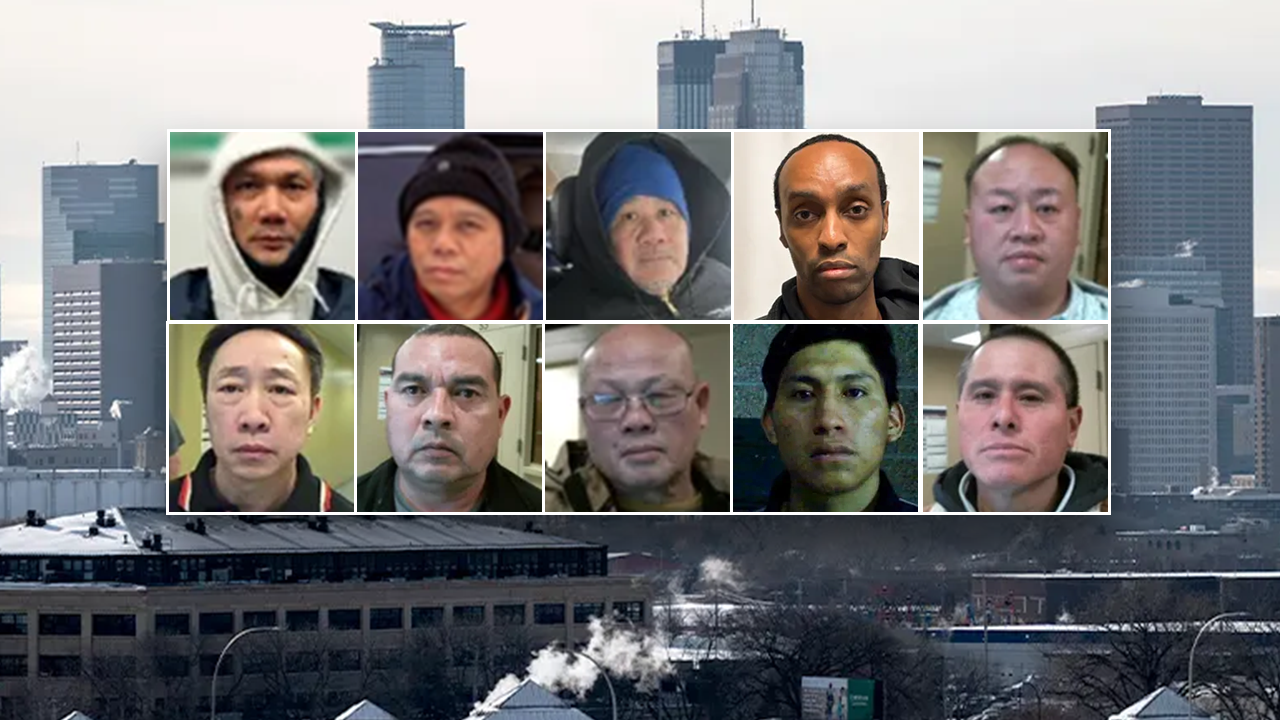
Federal authorities have arrested more than 1,000 individuals in Minnesota as part of a massive crackdown on fraud and criminal activity, including alleged murderers, rapists, pedophiles, and gang members, according to Department of Homeland Security officials.
Assistant Homeland Security Secretary Tricia McLaughlin told reporters that the agency “surged law enforcement” to Minnesota last week and has quickly apprehended numerous dangerous offenders, many with serious criminal histories and outstanding deportation orders.
Among those arrested was 43-year-old Liban Ali Osman, a Somali national convicted of robbery in Columbus, Ohio, who has had a final order of removal pending since May 2011. Federal agents also apprehended Vannaleut Keomany, a 59-year-old Laotian national previously convicted of two counts of rape and sentenced to seven years in prison. Keomany has had a deportation order outstanding since December 2009.
The operation has targeted individuals with particularly disturbing criminal backgrounds. Por Moua, a 50-year-old Laotian national with convictions for first-degree great bodily harm and sexual intercourse with a child, was among those arrested. Similarly, authorities detained Sing Radsmikham, a 52-year-old Laotian national convicted of fourth-degree criminal sexual conduct using force or coercion, who has evaded a removal order dating back to 2004.
Several other arrests involved individuals with histories of sexual offenses against minors, including Tou Vang, a 42-year-old Laotian national convicted of first-degree criminal sexual conduct with a child under 13, and Javier Bulmaro Turrubiartes, a 49-year-old Mexican national previously arrested for soliciting children through electronic communication for sexual conduct.
According to CBS News, the operation involves approximately 2,000 federal agents and officers from U.S. Immigration and Customs Enforcement’s deportation division and Homeland Security Investigations. The planned 30-day surge in the Twin Cities area is being partially overseen by U.S. Customs and Border Protection Commander Gregory Bovino.
While McLaughlin declined to provide specific details about the operational footprint for security reasons, she confirmed that DHS has significantly increased its law enforcement presence in the Minneapolis-St. Paul region.
The federal response comes amid intensifying scrutiny of Minnesota following revelations of multi-million dollar fraud operations throughout the state. In recent weeks, authorities have announced dozens of arrests and indictments related to various fraud schemes.
Last week, the Department of Homeland Security announced it was launching what it described as a “massive operation” in Minnesota specifically aimed at identifying, arresting, and removing criminals involved in fraud activities. The announcement followed the release of a video by an independent journalist who questioned daycare center operators in the area about potential fraud activities.
The operation represents one of the largest coordinated federal law enforcement actions in the state in recent years. In a social media post, DHS vowed to “root out this rampant fraud plaguing Minnesota,” suggesting that the investigation may lead to additional arrests and indictments as authorities continue to uncover the full scope of the criminal networks operating in the region.
The crackdown has significant implications for both immigration enforcement and fraud prevention efforts nationally, as federal authorities demonstrate a willingness to commit substantial resources to target individuals who have remained in the country despite deportation orders, particularly those with serious criminal records.
Local officials have not yet provided comprehensive statements regarding the federal operation’s impact on community relations or any coordination with state and municipal law enforcement agencies.
Fact Checker
Verify the accuracy of this article using The Disinformation Commission analysis and real-time sources.

9 Comments
Wow, this seems like a major crackdown on some very serious criminal activity. Glad to see law enforcement taking action against violent offenders and those with outstanding deportation orders. Curious to learn more about the tactics and coordination behind this large-scale operation.
Agreed, it’s important for authorities to prioritize public safety and remove dangerous individuals from communities. Hopefully this will serve as a deterrent and lead to longer-term reductions in crime.
It’s good to see law enforcement taking such a proactive approach to addressing violent crime and immigration violations in Minnesota. The details around the specific offenders arrested are quite disturbing, underscoring the importance of this type of crackdown. I’m curious to learn more about the broader strategy and potential impact on the state’s public safety.
Over 1,000 arrests in a single law enforcement operation is an impressive, if troubling, statistic. The fact that it targeted such a wide range of serious offenders, from murderers to pedophiles, speaks to the scale of the problem authorities are working to address. I hope this leads to meaningful long-term reductions in violent crime.
Agreed, the sheer volume of arrests is staggering. This operation must have required extensive planning, intelligence-gathering, and coordination between multiple agencies. The ultimate goal should be to protect communities and deter future criminal activity.
Tackling fraud and criminal activity is critical, especially when it involves egregious offenses like rape and child abuse. This operation seems like a positive step, though the sheer scale is quite concerning. I wonder what factors led to such a large number of arrests in Minnesota.
You raise a good point. The details behind the planning and execution of this crackdown would be interesting to understand. Coordinating law enforcement on that level is no small feat.
This is certainly an eye-opening story. While the arrests are concerning, it’s good to see authorities taking decisive action against violent criminals and immigration violators. Curious to learn if this is part of a broader national strategy or a more localized effort in Minnesota.
That’s a fair question. The national implications and potential for a broader rollout of similar operations would be worth exploring further. Effective enforcement is critical, but the scope and tactics merit close examination.