


Listen to the article
Oregon Housing Nonprofit Sues DHS Over Tear Gas Impact on Residents
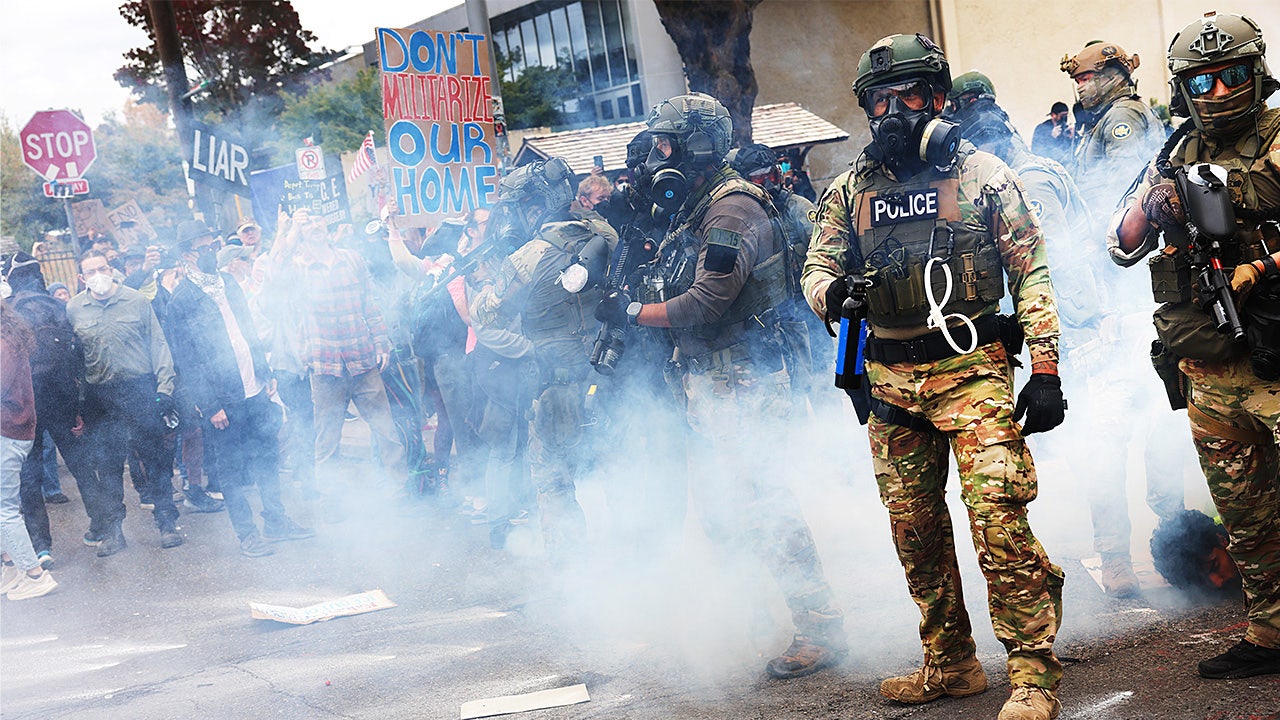
An affordable housing nonprofit and a group of nearby residents have filed a lawsuit against the Department of Homeland Security (DHS), seeking to prevent the agency from using tear gas and other chemical munitions that have been affecting homes in Oregon.
The legal action comes after months of confrontations between DHS agents and anti-immigration enforcement protesters, including Antifa groups, outside an Immigration and Customs Enforcement (ICE) facility near Interstate 5 in Portland. The facility serves as a processing and detention center for undocumented immigrants.
Gray’s Landing, a low-income housing complex managed by REACH Community Development, sits kitty-corner to the ICE facility along the Willamette River. The lawsuit, supported by progressive organizations Democracy Forward and Protect Democracy, describes the federal government’s actions as “shocking” and requests that the court ban immigration enforcement agents from deploying CS gas (tear gas) and other crowd control tools unless absolutely necessary to protect against “an imminent and concrete threat” to lives.
“The government causing poisonous gas and chemicals to enter plaintiffs’ bodies violates their right to bodily integrity, which the Supreme Court has long recognized as a component of the right to liberty,” the lawsuit states.
According to the filing, federal officers have repeatedly deployed pepper balls, tear gas, and similar munitions toward and around the housing complex, even when protesters posed no violent threat or imminent risk of harm to officers.
REACH CEO Margaret Salazar emphasized the serious health impacts on vulnerable residents, stating, “As a residential community, Gray’s Landing houses families, senior citizens, veterans and handicapped people who are repeatedly exposed to chemical agents. Children are coughing indoors, seniors are struggling to breathe, and daily life has become a source of stress and fear.”
The plaintiffs claim to have suffered acute respiratory distress, burning sensations in their eyes, and even PTSD episodes as a result of the enforcement tactics.
Democracy Forward leader Skye Perryman added that the chemicals are also suppressing legitimate protest activity. “Federal officers know that poison is flooding apartments where families live, where children sleep, and where seniors and veterans seek safety—and they keep using them anyway,” Perryman said.
The situation in Portland reflects broader tensions around immigration enforcement under President Donald Trump’s administration. Oregon has experienced one of the nation’s largest year-to-year increases in ICE arrests, with federal agents detaining more than 660 people there in 2025, according to the Salem Reporter.
Earlier this year, Trump attempted to deploy Oregon National Guard troops to address civil unrest in Portland, a move that faced opposition from state officials. Oregon Governor Tina Kotek has criticized federal intervention, stating, “I don’t take kindly to the fact that the federal administration is picking on particular cities.”
Democratic lawmakers from Oregon have also expressed concerns. Senator Jeffrey Merkley condemned what he called “disturbing” raids that are “terrorizing our communities” and allegedly detaining people “solely” based on race. Representative Suzanne Bonamici led a congressional delegation letter to DHS Secretary Kristi Noem demanding information about the types of irritants and munitions being used against protesters.
While DHS did not directly respond to requests for comment about the lawsuit, the agency has previously defended its tactics. In a July statement, DHS characterized the Portland facility as being “under siege,” claiming that “rioters have attacked law enforcement officials, destroyed federal property, and have posted death threats at the facility.”
Secretary Noem has taken a hard line, vowing to seek prosecution for anyone who doxxes ICE agents. “These criminals are taking the side of vicious cartels and human traffickers. We won’t allow it in America,” she stated.
The lawsuit represents a significant legal challenge to federal immigration enforcement tactics and raises important questions about the balance between security operations and the rights and welfare of nearby residents. As the case proceeds through the courts, it could set precedents for how federal agencies conduct enforcement activities in residential areas.
Fact Checker
Verify the accuracy of this article using The Disinformation Commission analysis and real-time sources.

18 Comments
Interesting case highlighting the ongoing tensions around immigration enforcement, civil liberties, and community impact. The use of tear gas against protesters is always concerning, but the potential harm to nearby residents is particularly troubling here. I hope the courts can provide clarity and guidance on the appropriate use of these tactics.
Absolutely. Balancing public safety and civil liberties is never easy, but the collateral damage to the housing complex is a crucial factor that deserves close examination. Transparency and accountability will be key in this case.
This case seems to raise important questions about the balance between immigration enforcement, civil liberties, and community wellbeing. I’ll be interested to see how the courts navigate these complex issues and provide guidance on the use of tear gas and other crowd control measures.
Well said. The housing nonprofit’s involvement adds an important local perspective that should help provide a more nuanced understanding of the situation and its impacts.
Interesting case highlighting the tensions between immigration enforcement, civil liberties, and community impact. I’ll be curious to see how the courts rule on the use of tear gas and other crowd control measures in this context.
Yes, it’s a complex issue without easy answers. The housing nonprofit’s involvement adds an important community perspective that should be heard.
This case seems to raise important questions about the appropriate use of tear gas and other crowd control measures, especially when they may impact nearby residents. I’ll be curious to see how the courts navigate these complex issues and provide guidance that protects civil liberties while also maintaining public safety.
Well said. The housing nonprofit’s involvement adds an important community perspective that should help inform a more holistic understanding of the situation and its impacts. These are challenging situations without easy answers.
The use of tear gas against protesters is always a concerning issue, but the potential harm to nearby residents in this case is particularly troubling. I hope the courts can provide clarity on the appropriate use of these tactics and balance the need for public safety with the protection of civil liberties.
Agreed. The collateral impact on the low-income housing complex is a crucial factor that deserves close examination. Transparency and accountability will be key in resolving this complex situation.
Tear gas use against protesters is always a concerning issue, but the potential harm to nearby residents is particularly worrying here. I hope the courts can provide clarity on the appropriate use of these tactics and protect civil liberties while also maintaining public safety.
Absolutely. The collateral impact on the low-income housing complex is a crucial factor that needs to be carefully weighed. These are challenging situations without easy answers.
This is a concerning situation. While the right to protest is important, the use of tear gas against civilians is a serious issue that warrants close examination. I hope the courts can provide a fair and impartial assessment of the facts.
Agreed. The impact on nearby residents is especially troubling and should be a key consideration. Balancing public safety and civil liberties is always challenging but must be done carefully and transparently.
This case highlights the complex balance between immigration enforcement, civil liberties, and community wellbeing. I’ll be interested to see how the courts navigate these competing interests and provide guidance on the appropriate use of crowd control measures.
Well said. The housing nonprofit’s involvement brings an important local perspective that should help provide a more holistic view of the impacts. Transparency and accountability will be key.
The use of tear gas against protesters is always concerning, but the potential impact on nearby residents is particularly troubling here. I hope the courts can provide some clarity on the appropriate use of these tactics.
Absolutely. The collateral damage to the housing complex is a major issue that deserves close scrutiny. Protecting civil liberties while also maintaining public safety is an ongoing challenge.