


Listen to the article
UK Labour Party Faces Heavy Losses in Local Elections as Reform UK Surges
The United Kingdom’s ruling Labour Party has suffered a significant defeat in Thursday’s local elections, losing nearly 500 council seats with just over half of the councils declared. The dramatic setback has prompted calls from within the party for Prime Minister Keir Starmer to resign.
British local elections typically serve as a barometer for the national government’s popularity, and the results have delivered a stinging rebuke to Starmer’s leadership less than a year after Labour won a landslide general election victory.
“Many Labour voters in the north of England and elsewhere feel the government has not delivered the change they thought they voted for,” Labour MP Jon Trickett said following the results. “They’re angry, they’re upset, they feel let down, and they’ve sent us a clear message: The party, the leadership, must change with immediate effect if we want to recover.”
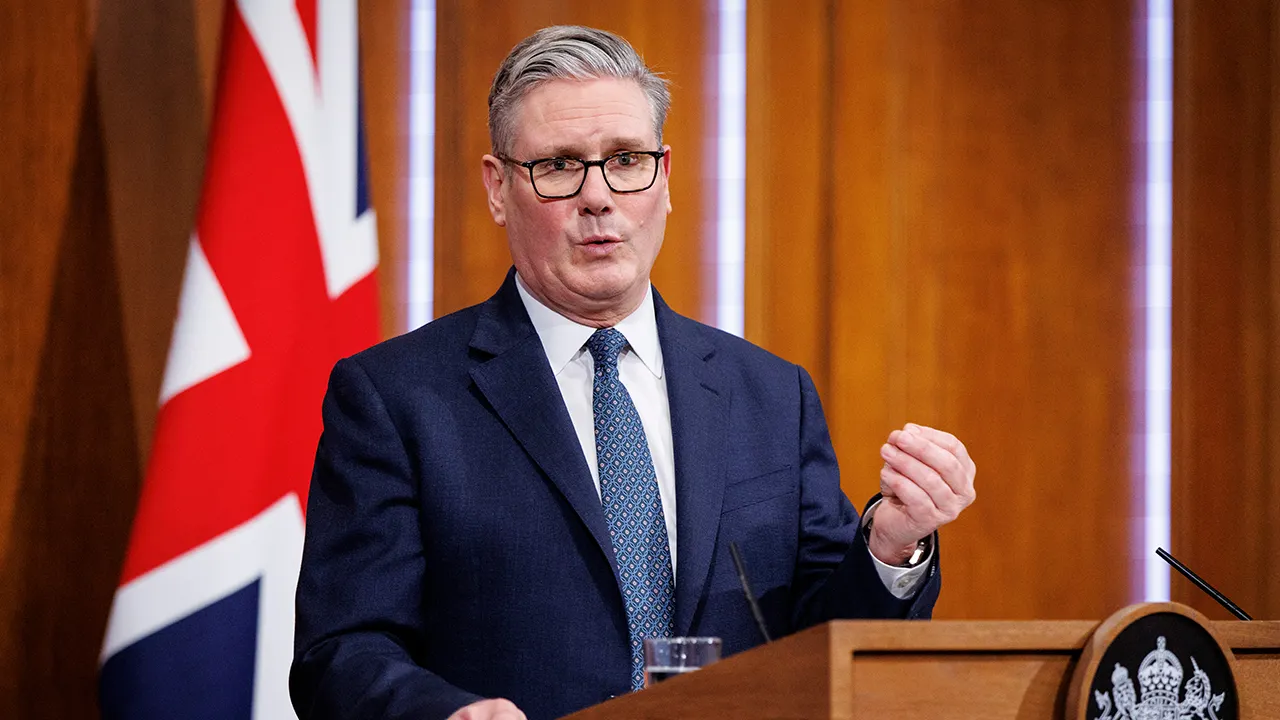
Starmer has acknowledged responsibility for the losses but has resisted immediate resignation calls, stating that he was “not going to walk away and plunge the country into chaos.” However, he has not explicitly ruled out a managed exit, fueling speculation about his future.
The biggest beneficiary of Labour’s decline has been Nigel Farage’s right-wing Reform UK, which has gained approximately 650 seats. Reform UK has made significant inroads in post-industrial areas of northern and central England, many within the traditionally Labour-supporting “Red Wall” constituencies.
Farage, a prominent Brexit advocate and ally of former U.S. President Donald Trump, told supporters: “Personally, I’ll be very sad to see the Prime Minister go. I will be very, very sad indeed. He’s the greatest asset we’ve got.” His party campaigned on a platform of stricter immigration controls, tax cuts, and rolling back environmental policies they claim hamper economic growth.
The English local elections covered over 5,000 seats across 163 local councils and six mayorships. Elections were also held for the semi-autonomous parliaments in Scotland and Wales on the same day.
Labour’s losses came from two directions. While Reform UK claimed voters on the right, the Green Party and independent candidates, many of Muslim background, made gains in urban areas and university towns. These left-wing challengers focused heavily on the Labour government’s approach to the Gaza conflict, which they view as too supportive of Israel.
Zach Polanski, the Green Party leader, declared on election day that “Palestine is one of the elements on the ballot.” Pre-election polling showed that approximately 60% of Muslim voters were willing to back pro-Palestinian independent candidates to prevent Labour from winning locally, with about half considering the Green Party for the same reason. For Muslim voters, support for Palestinians ranked as more important than economic issues when determining their vote.
Independent and Green Party candidates have collectively gained approximately 90 seats so far, further fragmenting the political landscape.
The Conservative Party, Labour’s traditional rival, has also suffered in Thursday’s elections with a net loss of roughly 300 local seats, continuing their electoral decline since leaving office last year.
Farage characterized the results as a “historic change in British politics,” with academic observers suggesting the UK may be moving away from its long-established two-party system toward a more fragmented political landscape.
The electoral upheaval comes at a challenging time for Starmer, who has faced criticism over multiple policy U-turns and controversy surrounding government appointments. Whether he can weather this political storm remains uncertain, as pressure mounts from both within his party and the opposition for a change in leadership.
Fact Checker
Verify the accuracy of this article using The Disinformation Commission analysis and real-time sources.

11 Comments
The surge in support for Nigel Farage’s Reform UK party is noteworthy, suggesting there is still a strong appetite among some voters for a more hardline, populist approach. This could further complicate the political landscape in the UK.
Yes, the rise of Reform UK adds an interesting dynamic. It will be important to understand the motivations behind their gains and how that might impact the broader political climate going forward.
Overall, these local election results highlight the complex and shifting political landscape in the UK. It will be important for all parties to carefully analyze the feedback from voters and work to address their concerns in a constructive and meaningful way.
It’s noteworthy that these local election results are being viewed as a barometer for national sentiment. The strong performance of Reform UK suggests there are still unresolved tensions and a desire for a more radical approach among some segments of the electorate.
Agreed, the local election results provide an interesting window into the national mood. It will be important for all parties to carefully analyze the feedback from voters and respond accordingly.
Starmer’s acknowledgement of responsibility for the losses is a positive step, but his resistance to immediate resignation calls raises questions about the party’s ability to enact the necessary changes. It will be interesting to see how this situation evolves in the coming weeks and months.
You make a good point. Starmer’s willingness to accept responsibility is a start, but the party’s ability to meaningfully address the underlying issues and regain voter trust will be crucial going forward.
Labour’s losses are quite significant, nearly 500 council seats. This is a clear setback for Starmer and the party, and they will need to carefully reflect on the reasons behind it in order to chart a path forward that reconnects with their traditional voter base.
The calls for Starmer’s resignation within the Labour party are quite significant. This suggests there is a growing sense of urgency to address the party’s shortcomings and chart a new course that can regain the trust of its supporters.
Interesting developments in UK politics. It seems Labour’s losses in the local elections reflect voter discontent with the party’s direction under Starmer’s leadership. Curious to see how this plays out and if any changes are made to address the concerns of Labour supporters.
You’re right, the results indicate there is work to be done to regain the trust of Labour’s traditional base. It will be important for the party to listen closely to the feedback from voters and chart a path forward that resonates with their needs and priorities.