


Listen to the article
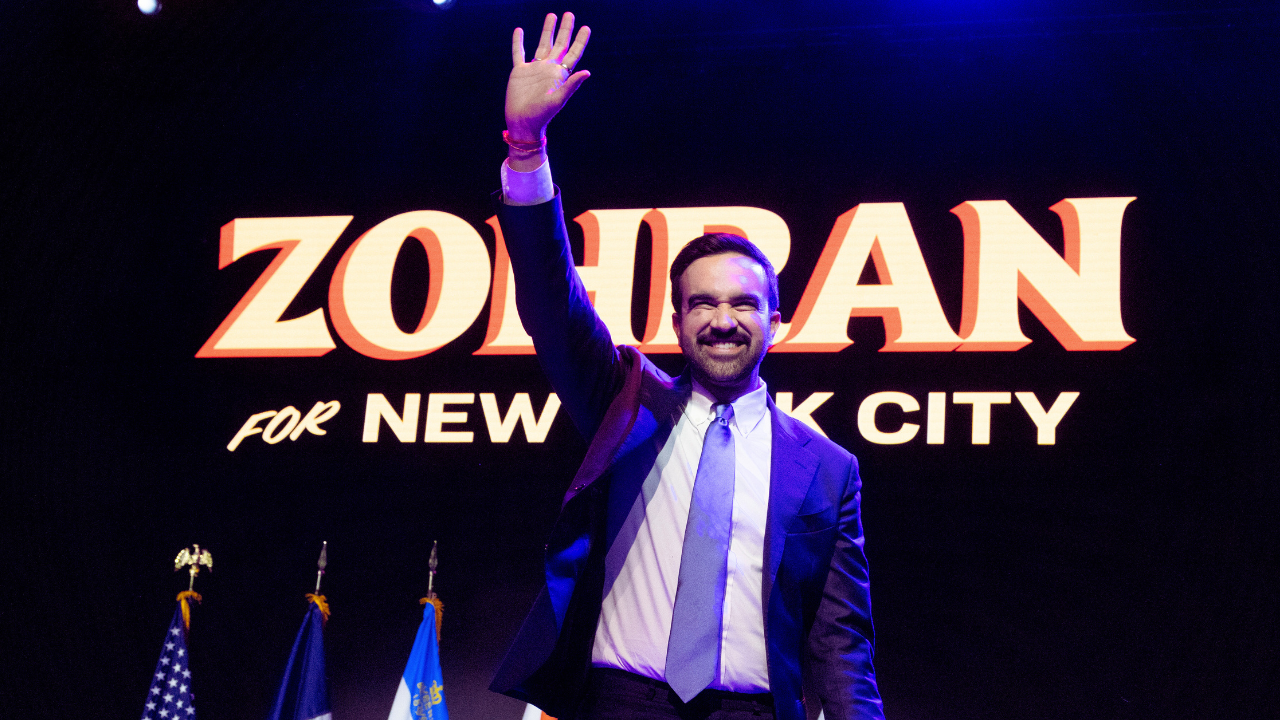
New York City Braces for Economic Shift as Mamdani Prepares for Office
With nearly 9 million residents and the world’s largest financial hub, New York City is preparing for a significant pivot in economic policy as Mayor-elect Zohran Mamdani readies to take office. His progressive agenda, featuring proposals like free public transportation, city-owned grocery stores, and rent controls, has already sent ripples through Wall Street and business circles.
Affordability stands as the centerpiece of Mamdani’s vision for governing America’s largest city, but his ambitious plans have sparked intense debate about their feasibility and potential consequences for New York’s economy.
Among his boldest proposals is the creation of a network of city-owned grocery stores designed to offer affordable food options. These municipal markets would operate on a non-profit model, with reduced overhead due to exemptions from rent and property taxes. By centralizing warehousing and distribution while purchasing at wholesale prices, Mamdani believes these stores could significantly lower food costs for New Yorkers.
The plan has already drawn criticism from established grocery chains. John Catsimatidis, owner of Gristedes and D’Agostino’s—the largest independent supermarket chain in the city—has threatened to relocate his corporate headquarters following Mamdani’s election. The proposal does have precedent, however; Atlanta recently launched a similar initiative in a neighborhood classified as a food desert.
Public transportation reform represents another cornerstone of Mamdani’s agenda. He has pledged to eliminate fares on all city buses while expanding dedicated bus lanes and queue-jump signals to improve service efficiency. This initiative faces significant jurisdictional challenges, as the Metropolitan Transportation Authority is a state-controlled agency beyond the mayor’s direct authority.
Financial experts estimate the free bus program could cost the city more than $700 million annually. Mamdani has yet to provide detailed funding mechanisms for this specific proposal.
Perhaps the most controversial economic policy in Mamdani’s platform is his plan to raise the minimum wage to $30 per hour by 2030, with automatic increases thereafter based on cost-of-living adjustments and productivity gains. He has proposed circumventing potential state-level opposition by having the City Council create its own minimum wage law—a move that could face legal challenges.
For families with young children, Mamdani has promised free childcare services for all New Yorkers with children up to five years old. While potentially transformative for working parents, this initiative could cost billions annually, raising questions about fiscal sustainability.
Housing affordability—a perennial crisis in New York—features prominently in Mamdani’s agenda. He has committed to freezing rents for residents in rent-stabilized apartments while expanding affordable housing through city resources. Housing experts, however, warn that such policies could backfire by discouraging investment and development.
“I don’t know any investor or builder who would want to build in a city where the mayor is threatening to cap revenues,” said Kenny Burgos, CEO of the New York Apartment Association, in a recent interview.
Business analyst Ed Elson agreed, noting that rent freezes typically undermine housing supply: “Paradoxically, they disincentivize construction, which causes rents elsewhere to rise.”
To finance his ambitious agenda, Mamdani has proposed raising the corporate tax rate to match New Jersey’s 11.5%, which he estimates would generate $5 billion in revenue. Additionally, he plans to implement a 2% tax on New Yorkers earning over $1 million annually.
These tax proposals face significant hurdles, as they would require approval from both the state legislature and Governor Kathy Hochul, who has publicly opposed tax increases. This creates potential roadblocks for implementing Mamdani’s core campaign promises.
As New York City prepares for this new administration, Wall Street, business leaders, and residents remain divided on whether Mamdani’s progressive economic vision will revitalize the city or drive further business exodus to more tax-friendly jurisdictions. The coming months will prove critical as Mamdani transitions from campaign promises to governing realities in America’s financial capital.
Fact Checker
Verify the accuracy of this article using The Disinformation Commission analysis and real-time sources.

16 Comments
As the financial capital of the US, New York’s economic direction will be closely watched. Mamdani’s progressive agenda represents a significant shift, but the devil will be in the details. Balancing business interests with affordability goals won’t be easy.
Absolutely. New York is such a unique and influential economic engine, so the success or failure of Mamdani’s policies could have ripple effects across the country. It’s going to be a tough tightrope to walk.
The proposed free public transportation is an intriguing idea. It could increase accessibility and reduce emissions, but the logistical and financial challenges seem significant. I’m curious to see how they plan to fund and implement this.
Funding free public transit will definitely be a major hurdle. The city will need to explore creative revenue sources or reallocate existing transportation budgets. It’s an ambitious goal, but the potential benefits for low-income residents could be substantial.
As someone who has closely followed urban economic policy, I’m intrigued by Mamdani’s proposals. Free transit and city-owned grocers are novel ideas, but the fiscal and practical realities will be critical. I hope the city can find the right balance between progressive ideals and pragmatic constraints.
Well said. New York is such a complex ecosystem, and Mamdani’s plans will require meticulous planning and execution. Maintaining fiscal responsibility while driving meaningful change for residents will be a delicate balancing act. I’ll be following this story closely.
Interesting to see how the new mayor’s progressive economic agenda could impact New York City. Free public transportation and city-owned grocery stores seem like bold moves to improve affordability, but will the business community push back? I’m curious to see how this plays out.
The plan for city-owned grocery stores is certainly novel. I wonder how they’ll be able to compete with established chains while maintaining profitability and keeping prices low. Will be interesting to see the details of the proposal.
Mamdani’s progressive vision for New York is certainly ambitious, but he’ll face significant headwinds from the business community. Navigating the politics and economics of such a major shift will require deft leadership and a willingness to compromise.
Absolutely. The mayor-elect will need to build a broad coalition to implement his agenda effectively. Balancing the needs of residents, businesses, and other stakeholders will be a constant challenge. It’ll be fascinating to watch how this all unfolds.
I’m curious to see how the city’s grocery store plan would impact the local food ecosystem. Could it create new opportunities for local producers and suppliers, or simply disrupt an already challenging market? The devil will be in the implementation details.
That’s a great point. The city-owned stores could potentially open up new distribution channels for smaller, local food producers. But they’ll also need to navigate complex supply chains and logistics. Careful stakeholder engagement will be critical.
Mamdani’s focus on affordability is commendable, but some of his proposals seem quite radical for a city like New York. The business community will undoubtedly push back, and he’ll need to demonstrate a clear path to funding and implementing these initiatives. It’ll be an uphill battle, but potentially a transformative one if done right.
Absolutely. The political and economic dynamics in New York are so intricate. Mamdani will need to navigate these waters carefully, building support from diverse stakeholders. It’s an ambitious vision, but the practical realities could prove quite challenging.
Mamdani’s focus on affordability is admirable, but some of his proposals like rent controls could have unintended consequences. Will this shift the balance of power between the city and businesses? I hope they can find a middle ground that benefits all New Yorkers.
Rent controls can be tricky to implement effectively. It’ll be crucial for the city to carefully consider the potential impacts on housing supply, investment, and the rental market overall. Finding the right policy levers will be crucial.