


Listen to the article
New Orleans Police Chief Sparks Controversy Over Immigration Law Enforcement Stance
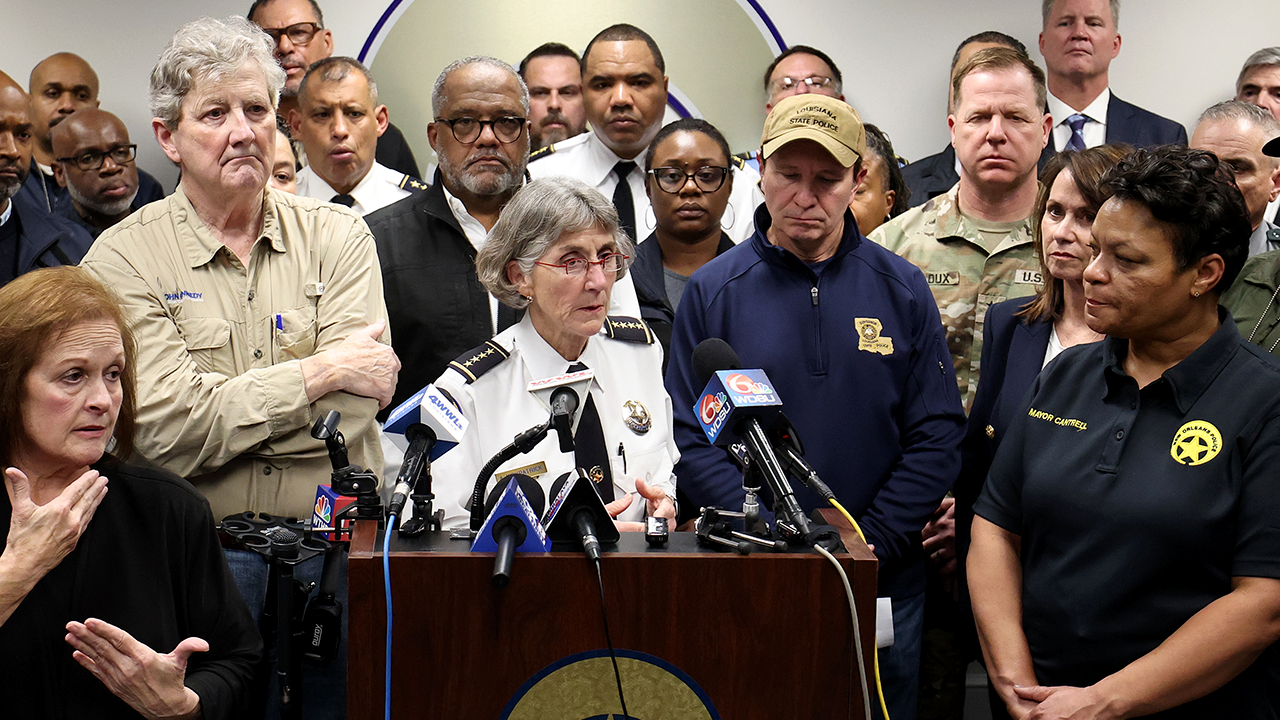
New Orleans Police Superintendent Anne Kirkpatrick has ignited a heated debate following her recent statement that undocumented immigration is a “civil issue” and that her department will not enforce certain immigration laws. Her remarks came during a press conference celebrating the end of a 15-year federal consent decree over the city’s police department.
“We will not enforce civil law, and so our support is to make sure they’re not going to get hurt and our community is not in danger,” Kirkpatrick stated, referring to undocumented immigrants. She added that while her department would not actively enforce immigration laws, officers would respond if needed to ensure public safety during federal operations.
The comments came amid increasing nationwide tensions over immigration enforcement as the incoming administration has promised expanded deportation efforts. Kirkpatrick acknowledged the likelihood of increased federal immigration operations in New Orleans but maintained her position on the department’s limited role.
“Am I expecting them to come? Yes, I’m expecting them to come. But can I tell you they’re coming Friday? No, I can’t tell you that,” she said. “If they call for help because they say they’re going to be hurt, we are going to be there in order to help anyone in danger. We are not enforcing — because we can’t.”
Her statements quickly went viral on social media, drawing sharp criticism primarily from conservative commentators who argued that illegal entry into the United States is a criminal offense, not merely a civil matter.
Louisiana Republican Attorney General Liz Murrill directly addressed the controversy, stating that she had spoken with Kirkpatrick about her comments. “It is a state crime to obstruct ICE and federal immigration enforcement. Law enforcement should enforce the law,” Murrill posted on social media.
The debate centers on distinctions within U.S. immigration law. Critics cited 8 U.S. Code 1325, which criminalizes “improper entry by an alien” through actions such as evading immigration inspection, providing false documentation, or entering the country outside a designated port of entry. However, Kirkpatrick’s reference to civil law appears to acknowledge provisions in the Immigration & Naturalization Act that classify certain immigration violations—such as visa overstays—as civil rather than criminal matters.
This distinction has become increasingly important as cities across the country determine how their local law enforcement agencies will interact with federal immigration authorities. Some cities have adopted “sanctuary” policies that limit cooperation with federal immigration enforcement, while others have pledged full support for deportation operations.
In a separate statement, Attorney General Murrill clarified her expectations: “I fully expect all law enforcement and local officials will not obstruct federal authorities and will enforce state law to protect people and property. I support ICE operations that ensure violent criminals are removed and ensure legal immigration policies are respected and followed.”
The controversy occurs as the Department of Homeland Security is reportedly launching a major immigration enforcement operation dubbed “Swamp Sweep” in Louisiana and Mississippi. The operation is part of broader national efforts to increase deportations of undocumented immigrants.
Some critics also connected Kirkpatrick’s immigration stance to her leadership during the Sugar Bowl terror attack on New Year’s Day, when a man drove into crowds on Bourbon Street. These commentators suggested the department had failed to implement adequate preventative security measures, such as installing bollards and other protective infrastructure.
The New Orleans Police Department has not yet issued a formal response to the criticism of Kirkpatrick’s comments, despite inquiries from media outlets. The controversy highlights the complex intersection of federal immigration policy and local law enforcement responsibilities that continues to challenge communities across the United States.
Fact Checker
Verify the accuracy of this article using The Disinformation Commission analysis and real-time sources.

12 Comments
The police chief’s stance highlights the ongoing tensions around the role of local law enforcement in federal immigration operations. Her pragmatic approach prioritizes public safety, but will likely face continued scrutiny from various stakeholders.
The chief’s comments highlight the ongoing debate over the role of local police in federal immigration enforcement. Reasonable people can disagree on the right approach to balance public safety and civil liberties.
Given the politically charged nature of this issue, it’s not surprising to see strong reactions on both sides. Thoughtful dialogue is needed to find workable solutions.
The police chief’s remarks highlight the ongoing debate over the appropriate role of local law enforcement in federal immigration enforcement. Her measured approach prioritizing public safety is reasonable, but the tensions around this issue are likely to persist.
This is a complex issue with valid concerns on multiple sides. The police chief’s stance seems aimed at maintaining community trust and public safety, which is understandable. But the debate over local law enforcement’s role in federal immigration operations will surely continue.
The police chief’s comments reflect the challenges local law enforcement faces in navigating the divisive issue of immigration enforcement. Her focus on public safety over civil immigration law seems prudent, though the debate is sure to continue.
It’s a tricky balance for local police to strike – maintaining public trust and safety while also cooperating with federal authorities on immigration matters. Thoughtful policies are needed to address this complex issue.
This is a complex issue without easy answers. The police chief seems to be taking a measured approach focused on maintaining public safety, which is understandable. But the tensions around immigration enforcement will likely continue.
Reasonable people can disagree on the right role for local police in federal immigration operations. Striking the right balance is challenging but important for maintaining trust and community relations.
The police chief’s comments underscore the challenges of immigration enforcement at the local level. Her focus on public safety over civil immigration laws reflects the difficult balance that law enforcement often has to navigate on this sensitive issue.
Interesting perspective from the New Orleans police chief. Focusing on public safety and not actively enforcing federal civil immigration laws seems pragmatic, though the issue is certainly complex and divisive.
I can understand the chief’s approach, as local law enforcement likely wants to maintain trust with immigrant communities and avoid escalating tensions. Striking the right balance is key.