


Listen to the article
Federal Tax Change Threatens Poker Professionals and Recreational Gamblers
Poker Hall of Famer Erik Seidel, winner of 10 World Series of Poker bracelets and recipient of tens of millions in tournament winnings, is contemplating retirement due to an impending federal tax change that will significantly impact professional gamblers.
“Next year I am kind of forced into retirement,” the longtime Las Vegas resident told The Nevada Independent. “Everyone who I’ve spoken to plans on either cutting back or stopping.”
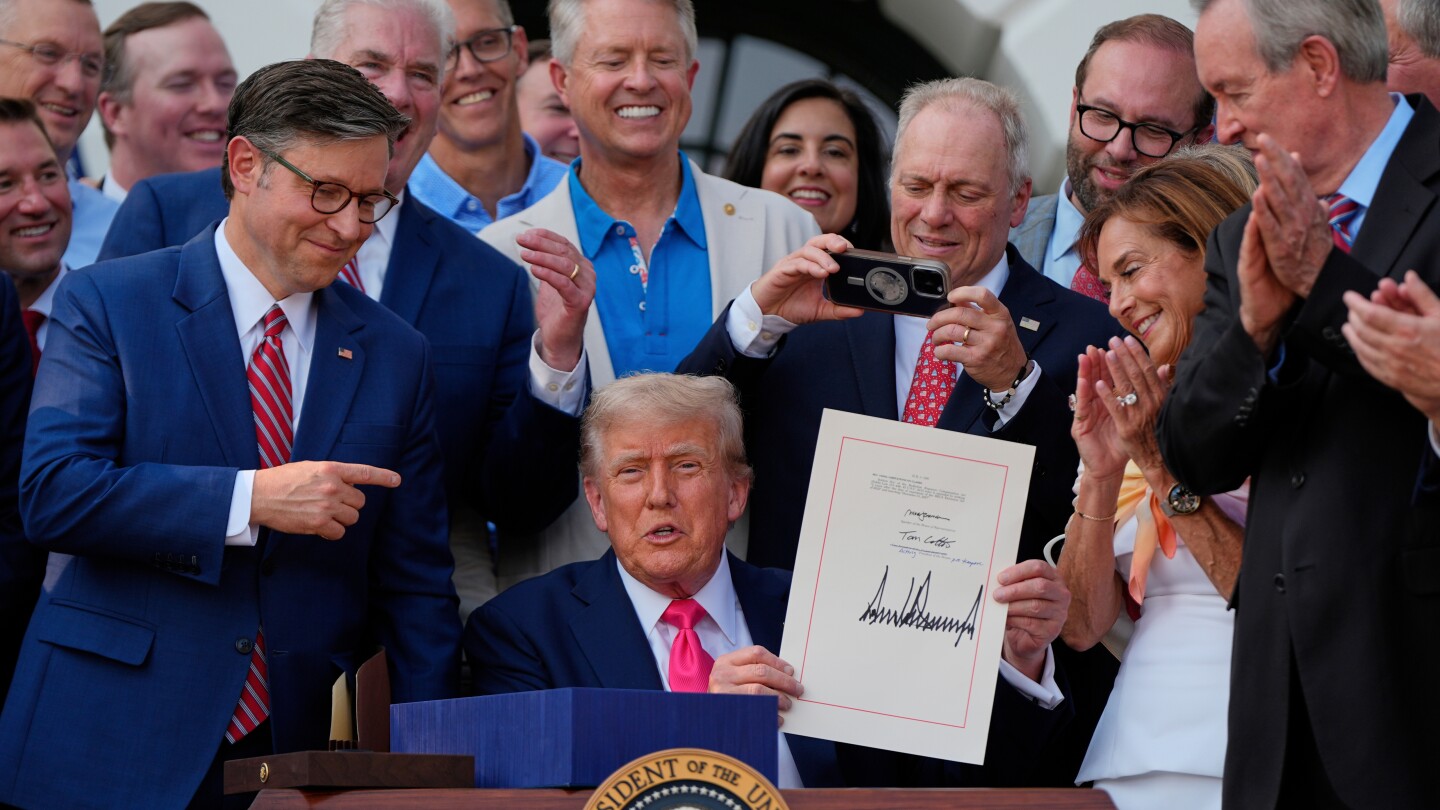
The change stems from the One Big Beautiful Bill Act signed by President Donald Trump in July. Starting in 2026, gamblers will only be able to deduct 90% of their losses against winnings for tax purposes, down from the current 100%. This means a player who wins $100,000 but loses the same amount would still need to pay taxes on $10,000 of what many view as phantom income.
The potential ramifications extend beyond high-stakes poker pros to include casual bettors and could significantly impact Nevada’s economy. Nevada’s congressional delegation has been working aggressively to reverse the change, recognizing its potential harm to the state’s vital gaming industry.
In the House, Rep. Dina Titus (D-Nevada) has introduced the FAIR BET bill to restore the full deduction. “Turns out, we got a million responses to our tweet when we put it out there, more than I’ve ever gotten for anything,” Titus said, noting the issue affects not just professional players but also “regular guys who bet on weekend football.”
Meanwhile, Senators Catherine Cortez Masto and Jacky Rosen, both Nevada Democrats, have put forward the bipartisan FULL HOUSE bill with identical aims. “The Republicans’ tax on gamblers is ridiculous and will be bad for Nevada’s economy,” stated Cortez Masto’s spokesperson, who added they’re pushing to include the fix in January’s appropriations package.
Rep. Mark Amodei, Nevada’s lone Republican in Congress, has leveraged his position in the GOP-controlled House to support the effort. “We have been assured that when we wrap up this stuff in ’26 appropriations, that fix will be in there,” he told The Nevada Independent. Amodei has been in direct contact with House Ways and Means Committee Chair Jason Smith (R-Missouri), who promised to reverse the tax after meeting with gaming executives in Las Vegas.
Smith recently told The Nevada Independent, “I believe there is a bipartisan path forward to restoring full deductibility of gambling losses,” though he provided no specific timeline.
American Gaming Association CEO Bill Miller expressed optimism during a December 12 appearance on the Business of Betting podcast. “The question is, ‘What are the vehicles to fix this?'” Miller said. “Trying to get this put back in and fixed is not the easiest trick. But I believe that we’re going to get it done.”
Even if Congress ultimately reverses the change, gaming industry insiders warn that damage is already occurring. Circa Casino Resorts CEO Derek Stevens noted that gamblers plan their trips and budgets well in advance, and many are already adjusting their 2026 plans.
“This could be fixed next year. The reality is that it needs to be done now,” Stevens said. “It’s already impacting wagering that goes into 2026.”
Stevens fears the tax change could reduce betting on major events like the Super Bowl and March Madness. He also warned that American players might shift to Canadian casinos or illegal offshore betting sites to avoid the tax implications.
“This is not good for the country, and it’s not good for the industry,” Stevens emphasized. “It’s not good for tourism, it’s not good for hospitality, it’s not good for jobs.”
The provision appeared unexpectedly in the Senate version of the bill. Previous reporting suggested Finance Committee Chairman Sen. Mike Crapo (R-Idaho) may have inserted it, though his office has not responded to requests for comment.
According to Titus, Republicans are hesitant to modify the president’s signature policy. “They are reluctant to open up the Big Bad Beautiful Bill because they don’t want to challenge the president, and also, they know if they open it up, other people are gonna have other fixes, too,” she explained.
When recently asked about eliminating taxes on gambling winnings, President Trump appeared receptive but noncommittal. “No tax on gambling winnings, I don’t know about that, I’m gonna have to think about that,” he said.
Seidel, who has a meeting scheduled with Titus in early 2026, points out that many countries don’t tax gambling winnings at all. He worries America’s prominent position in competitive poker could vanish.
“If you look at the top performers, most of them are from the U.S., and that’s just going to go away,” Seidel said. “It’s so un-American to not be able to compete.”
Fact Checker
Verify the accuracy of this article using The Disinformation Commission analysis and real-time sources.

10 Comments
I’m curious to hear more perspectives from the gaming industry on this issue. How significant of an impact do they anticipate, and what specific steps are they taking to push for a reversal of the policy change?
That’s a great question. Hearing directly from casino operators and other industry stakeholders would provide valuable insight into the potential fallout and their lobbying efforts to address it.
It’s understandable why Nevada’s lawmakers are eager to reverse this change. Reducing the tax deductibility for gambling losses could really hurt the state’s economy, especially for high-stakes players and poker pros.
Absolutely. This seems like a shortsighted federal policy that fails to account for the outsized importance of gambling and gaming to Nevada’s overall economic prosperity.
This federal tax change could have far-reaching consequences, not just for professional gamblers but also for the broader Nevada economy that relies so heavily on gaming and tourism. I hope lawmakers can find a workable solution.
This is an interesting development that could significantly impact Nevada’s gaming industry. I’m curious to see how lawmakers and casino operators will respond to try to reverse this federal tax change.
Agreed, the potential ramifications for professional gamblers and recreational bettors alike are quite concerning. I hope they can find a resolution that protects the state’s vital gaming sector.
Poker pros and recreational bettors alike may be forced to cut back or even stop gambling altogether if this tax change goes into effect. That could deal a major blow to Nevada’s economy, so I’m not surprised lawmakers are eager to reverse it.
This is a complex issue with a lot of moving parts. I’m curious to see how the federal government, Nevada’s congressional delegation, and the gaming industry itself navigate these challenges to try and find an acceptable resolution.
While I understand the rationale behind reducing tax deductions for gambling losses, the potential impact on Nevada’s gaming industry is concerning. Lawmakers will need to carefully weigh the trade-offs and potential unintended consequences.