


Listen to the article
Nebraska’s secretary of state will release voter data to Justice Department after court ruling
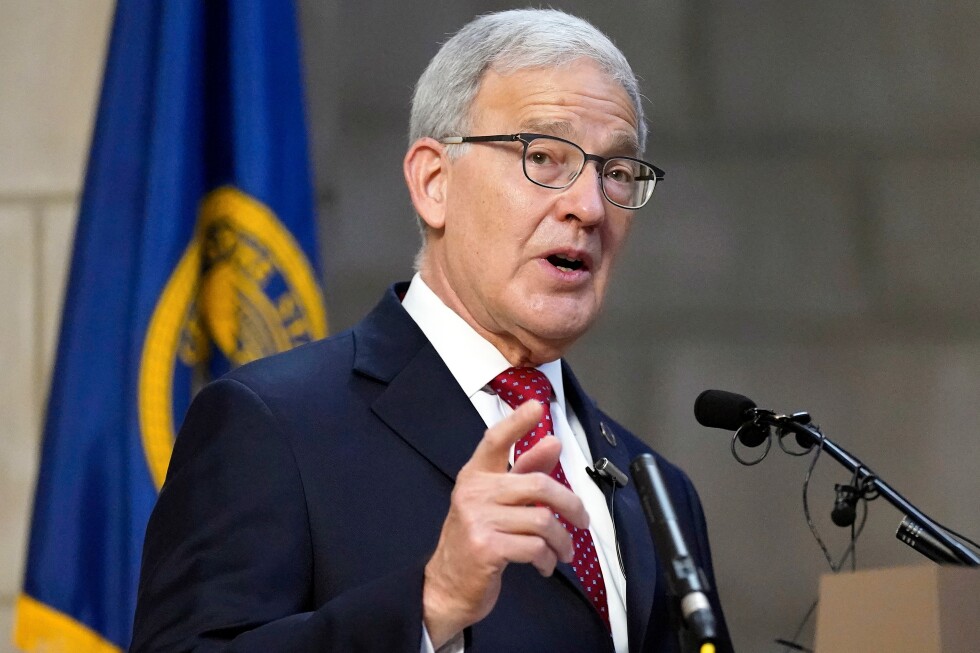
Nebraska’s Republican Secretary of State Bob Evnen confirmed Wednesday that he will provide the U.S. Justice Department with sensitive information on every registered voter in the state after the Nebraska Supreme Court rejected a last-minute legal effort to block the transfer.
The court denied an injunction sought by government watchdog group Common Cause, which had filed a lawsuit to prevent the release of voter information, including dates of birth, home addresses, and partial Social Security numbers.
“This case threatens the unprecedented and unlawful release of highly sensitive information of every Nebraska voter,” lawyers for Common Cause argued in their brief. “Once the data is released, that bell cannot be unrung.”
Evnen told The Associated Press that his office will electronically transfer the voter data to federal officials on Thursday. He stated the release is intended to help the Justice Department assess whether Nebraska is complying with federal voting laws, noting that the Nebraska Attorney General’s office had advised the federal request “was lawful and proper.”
The secretary of state said his office will include a request that federal privacy laws be observed when handling the data. In an official statement, Evnen emphasized his commitment to protecting voters’ personally identifiable information from misuse.
However, when asked if he could guarantee that Nebraska voter information would remain secure and not result in legitimate voters being removed from rolls, Evnen offered a less reassuring response: “The only thing I’m positive of is that the sun won’t catch in a tree when it sets tonight.”
The Nebraska case is part of a broader nationwide effort by the Justice Department, which began last year pressing states to turn over voter data and other election information. The department has filed lawsuits against at least 23 states and the District of Columbia to obtain voter rolls.
The push comes amid heightened tensions over election administration, following an FBI raid that seized 2020 ballots and other election documents from Georgia’s Fulton County. Former President Donald Trump has also recently declared his intention to “take over” elections from Democratic-run areas ahead of the November midterms.
While the Justice Department maintains it seeks the data to ensure election security, Democratic officials have countered that the demands violate state and federal privacy laws. Election administrators across the country have expressed concern that federal officials might use the sensitive voter information for purposes beyond stated intentions, such as identifying potential noncitizens on voter rolls.
Evnen attempted to address some of these concerns, stating that Nebraska would not remove individuals from voter rolls based solely on Justice Department recommendations. Instead, he assured that state election officials would conduct their own investigations and would first contact anyone flagged for potential removal.
The Nebraska ruling stands in contrast to a federal judge’s recent decision rejecting the Justice Department’s attempt to obtain Michigan’s voter rolls earlier this week.
The controversy highlights the complex relationship between federal oversight and state administration of elections in the United States. Traditionally, elections are managed at the state and local levels, where individual voter information is maintained and protected.
The outcome of this case could set precedent for other states facing similar demands from federal authorities, potentially reshaping how voter data is shared between different levels of government during a period of intense scrutiny over election procedures and voter eligibility.
Fact Checker
Verify the accuracy of this article using The Disinformation Commission analysis and real-time sources.

8 Comments
Releasing sensitive voter data to the federal government raises serious privacy concerns. I hope Nebraska can find a way to comply with federal laws while still protecting the personal information of its citizens.
Compliance with federal voting laws is important, but not at the expense of citizens’ personal information. I hope Nebraska can find a way to satisfy the DOJ request while still protecting voter privacy.
This seems like a complex issue with valid arguments on both sides. I’m curious to hear more details on why the court ruled against blocking the data transfer, and what safeguards will be in place to protect voter privacy.
Good point. Transparency around the legal reasoning and data protection measures will be important here.
Interesting that this case made it to the state Supreme Court. I wonder if there are any avenues for further legal challenges or negotiations to address the privacy concerns raised.
Yes, it will be worth following any potential next steps in the courts or legislature on this issue.
Voter data privacy is crucial for democracy. I hope Nebraska and the DOJ can work together to find a balanced solution that upholds both federal compliance and individual rights.
This is a tricky balance between federal oversight and individual privacy rights. I’m curious to learn more about the specific legal arguments and precedents at play here.