


Listen to the article
Photo ID Now Required for NJ Transit Discounts, But Not for Voting
New Jersey has implemented a new policy requiring photo identification for reduced-fare programs on state transit, while continuing as one of 14 states that does not mandate photo ID for voting—a contrast that has sparked debate about consistency in state identification policies.
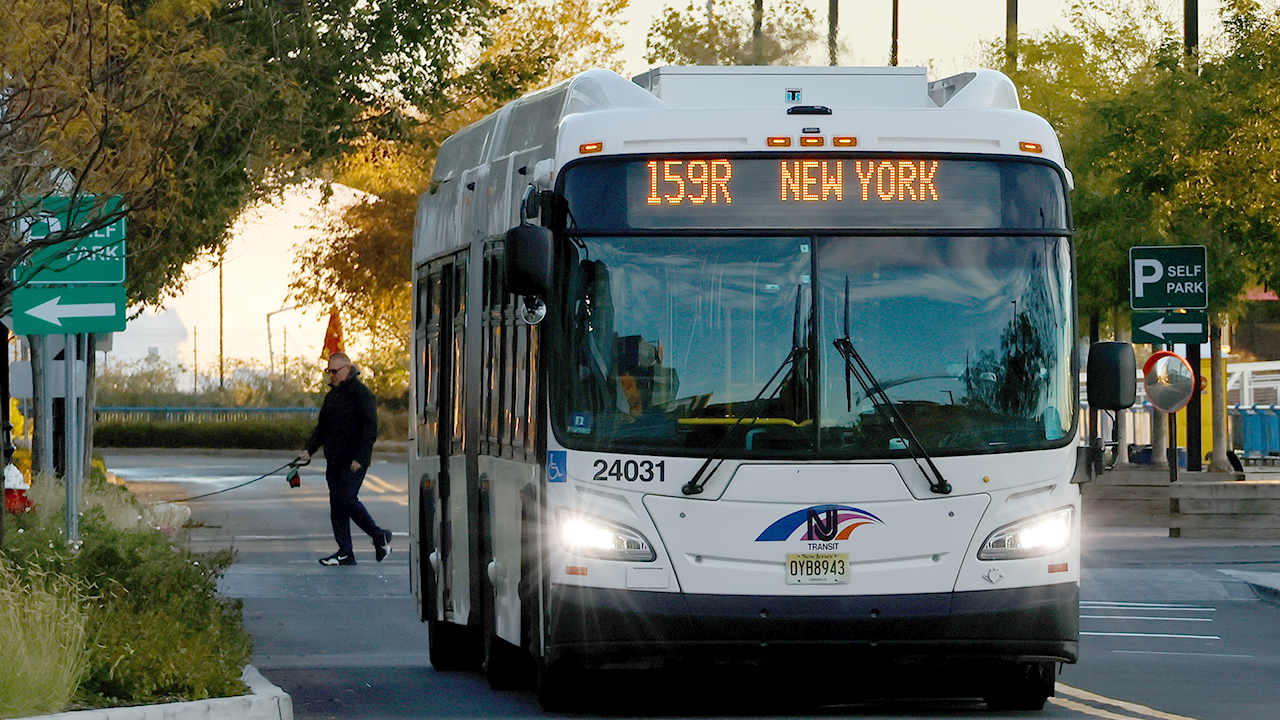
Beginning January 1, New Jersey Transit will no longer accept non-photo reduced-fare ID cards, requiring eligible passengers to apply for new photo ID cards either in person or by mail. Applicants must provide proof of age and/or disability along with a recent photograph to qualify for the discounted rates typically offered to senior citizens, military personnel, and individuals with disabilities.
“This change is only for customers who have been using an NJ Transit issued non-photo ID as proof of reduced fare eligibility,” NJ Transit spokesman John Chartier explained to local media.
The disparity between transit and voting requirements has prompted criticism from various quarters. The Shore News Network highlighted the inconsistency in a recent report, triggering backlash on social media platforms and from good-governance organizations.
The volunteer organization New Jersey Project questioned state priorities, asking, “Photo ID needed for NJ Transit discounts but not for voting. Starting January. Priorities, Trenton?”
Critics point to what they see as contradictory logic in state policies. While officials often argue that voter ID requirements could disenfranchise minorities who might struggle to obtain identification, the same reasoning apparently doesn’t apply to public transportation users seeking reduced fares.
For New Jersey voters, the current system requires including a driver’s license number on registration forms, but first-time voters without this information can present alternative identification at polling places, including utility bills, bank statements, paychecks, or government documents—not all of which contain photographs.
The financial implications of the transit policy are substantial for eligible riders. Those who qualify for reduced fares will pay significantly less than standard rates. For example, a short “Zone 1” bus trip costs $1.85 at full price but only 85 cents with reduced fare. Longer journeys offer even greater savings—a trip from New York to Atlantic City’s casinos normally priced at $57.40 would cost just $25.80 with the reduced-fare ID card.
The timing of this policy shift coincides with heightened national attention on fraud prevention measures across various government programs. In Minnesota, officials are currently investigating alleged widespread fraud involving subsidies paid to organizations, particularly Somali-led entities, that reportedly received funds without proper verification.
This contrast in identification requirements reflects broader debates about the balance between accessibility and security in government services. Proponents of voter ID laws argue they prevent fraud, while opponents maintain they create unnecessary barriers to voting rights. Meanwhile, supporters of the NJ Transit policy contend it prevents misuse of discount programs while ensuring benefits reach intended recipients.
The new NJ Transit photo ID cards will be issued free of charge, but the additional step required to obtain them has raised questions about consistency in state policy and whether similar requirements should—or should not—extend to other government services and democratic processes.
As January approaches, eligible transit riders will need to navigate this new requirement while the debate continues about identification standards across various aspects of civic life in the Garden State.
Fact Checker
Verify the accuracy of this article using The Disinformation Commission analysis and real-time sources.

10 Comments
Interesting policy change for NJ Transit discounts. I can see both sides of the voter ID debate – ensuring access while maintaining integrity. Curious to see how this unfolds in Minnesota as well.
Agreed, there are valid arguments on both sides of this issue. It will be worth watching how the state balances these priorities.
The voter ID debate continues, with states taking different approaches. It will be worth monitoring how the Minnesota policy plays out and if it influences the broader discussion.
Agreed, the nuances of these policies can have significant impacts. Looking forward to seeing how it unfolds.
This is an interesting contrast between transit and voting ID requirements. I can see the merits of both perspectives, but aligning the policies may help streamline the process for residents.
It’s an interesting contrast between the transit and voting ID policies. Consistency across state systems would likely simplify things for residents, though the debates will surely continue.
Absolutely, the policy alignment is worth considering to provide clarity. These are complex issues without easy answers.
This highlights the complex balancing act states face in managing identification requirements. Ensuring access and security is important, though the inconsistencies are noteworthy.
Requiring photo ID for transit discounts but not for voting does seem inconsistent. I can understand the desire for security in both systems, but the policies should probably be more aligned.
You make a fair point. Consistency across state identification policies would help avoid confusion and potential issues.