


Listen to the article
Minnesota Grapples with Massive Fraud Scandals Potentially Exceeding $1 Billion
Minnesota officials are confronting a sprawling web of fraud scandals that federal prosecutors now estimate could exceed $1 billion in stolen taxpayer money. The crisis has evolved into multiple alleged money laundering operations, with some funds reportedly being remitted overseas, possibly into the hands of terrorist organizations.
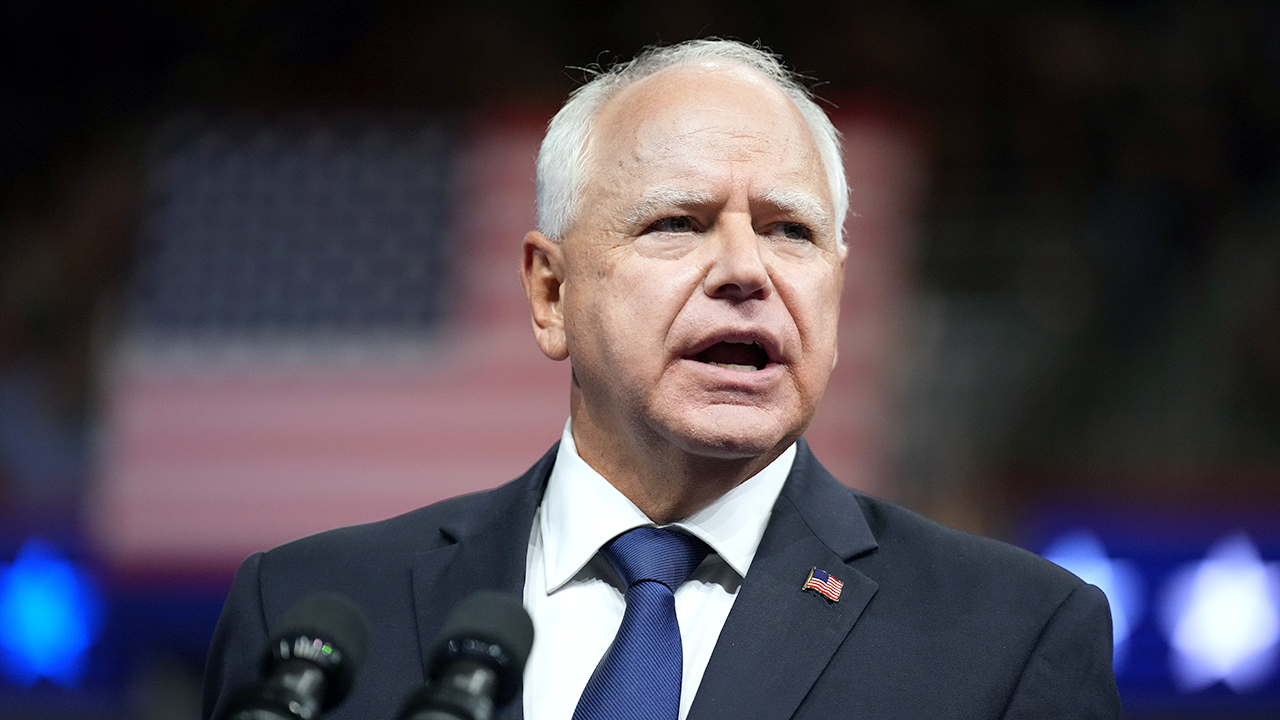
The scandals, which first made headlines a month ago, have placed Democratic Gov. Tim Walz’s administration under intense scrutiny. While Walz has acknowledged the problems, stating in December, “This is on my watch, I am accountable for this and, more importantly, I am the one that will fix it,” his administration has faced criticism for its oversight failures.
The fraud allegations center on three major schemes affecting different state programs, each involving millions in misappropriated funds.
The largest scandal, dubbed “Feeding Our Future,” has resulted in charges against at least 78 individuals, with nearly 40 already pleading guilty. Defendants allegedly fabricated invoices, attendance records, and food distribution documentation to exploit COVID-era waivers granted by the U.S. Department of Agriculture for child nutrition programs.
FBI Director Kash Patel characterized the scheme as stealing “$250 million from hungry kids during a pandemic to fund mansions and luxury cars,” calling it “as shameless as it gets.” Documents reveal approximately 300 registered food-distribution “sites” served little or no food while vendors used the program to launder funds intended for children’s nutrition.
The Manhattan Institute, a right-leaning public policy group, has reported connections between the fraudulent activity in Minneapolis’s Somali community and entities in Somalia itself, including potential links to the terrorist group al-Shabab. The institute noted that 40% of Somali households in Africa receive remitted funds from abroad, with $1.7 billion sent from the U.S. in 2023 alone – an amount exceeding the Mogadishu government’s annual budget.
As investigators examined the Feeding Our Future case, they uncovered additional fraud schemes. Federal prosecutors announced in mid-December that Minnesota’s Housing Stabilization Services program and an early-autism services program had also been exploited by fraudsters, including individuals from outside the state.
U.S. Attorney Joseph Thompson remarked that every time his office “looks under a rock,” another “$50 million” scheme emerges. At least five people have been charged with defrauding these social service programs by submitting invoices for services never rendered or exploiting housing subsidies through what Thompson called “fraud tourism.”
The most recent development involves numerous daycare facilities, many linked to or owned by members of the Twin Cities’ Somali community. These entities allegedly registered with the state and billed for childcare services that were never provided.
The daycare fraud gained national attention after independent journalist Nick Shirley posted videos showing himself visiting several childcare addresses, finding vacant storefronts, non-operational businesses, or uncooperative occupants. One prominent example was a storefront labeled “Quality Learing Center” (later corrected), which became a focal point in the investigation.
In October, Walz’s office paused payments in as many as 14 state programs deemed “high risk,” but critics argue this action came too late. The House Oversight Committee has launched its own probe, with Chairman James Comer, R-Ky., writing to the governor: “The Committee has serious concerns about how you as the Governor, and the Democrat-controlled administration, allowed millions of dollars to be stolen.”
Washington Post’s editorial board also criticized Walz for “refusing to take responsibility for the welfare fraud that happened in plain sight during the pandemic,” noting that “the numbers alone made clear what was happening.”
As investigations continue, the full extent of the fraud remains to be determined, with U.S. Attorney Thompson saying the overall network of fraudulent behavior is “swamping Minnesota and calling into question everything we know about our state.”
Fact Checker
Verify the accuracy of this article using The Disinformation Commission analysis and real-time sources.

13 Comments
This is a shocking case of large-scale fraud and misappropriation of taxpayer funds. It’s concerning to see potential links to terrorist financing. Rigorous oversight and accountability will be critical to address this crisis.
I’m curious to learn more about the specific vulnerabilities in the state’s oversight mechanisms that allowed this fraud to occur. Addressing those weaknesses should be a key focus in the aftermath.
I’m curious to learn more about the specific programs and schemes involved. What vulnerabilities in the system allowed this fraud to happen on such a massive scale? Strengthening oversight and controls should be the focus going forward.
The alleged links to potential terrorist financing make this case even more concerning. Tracing the flow of funds and disrupting any illicit international networks will be crucial to prevent further harm.
While the scale of this fraud is alarming, I’m glad the authorities are taking it seriously and investigating thoroughly. Recovering as much of the stolen funds as possible should be a top priority.
Wow, over $1 billion allegedly stolen? That’s a staggering amount of public money diverted. I hope the authorities can quickly recover as much as possible and ensure those responsible face justice.
Agreed, the scale of this fraud is truly mind-boggling. Effective investigation and prosecution will be crucial to send a strong message and deter future attempts.
While the Governor’s admission of accountability is commendable, the administration will need to demonstrate concrete actions to regain public trust. Transparency around the investigation and recovery efforts will be essential.
Agreed, words alone won’t be enough. Rigorous audits, tightened controls, and harsh penalties for those found guilty will be needed to show the state is serious about preventing such abuses in the future.
The idea that some of these funds could have ended up with terrorist organizations is very disturbing. Securing the borders and financial systems to prevent such illicit flows is clearly a top priority here.
This is a troubling case that highlights the need for stronger financial oversight, especially in the context of emergency relief programs. Ensuring proper documentation, verifying claims, and monitoring fund flows are critical safeguards.
The fact that nearly 40 individuals have already pleaded guilty suggests the evidence of fraud is quite compelling. I hope the remaining defendants are quickly brought to justice as well.
This is a stark reminder of the importance of robust financial controls and auditing, even in the context of emergency relief programs. Ensuring accountability and transparency should be a top priority going forward.