


Listen to the article
Minnesota Fraud Scandal Prompts Federal Review of Citizenship Cases
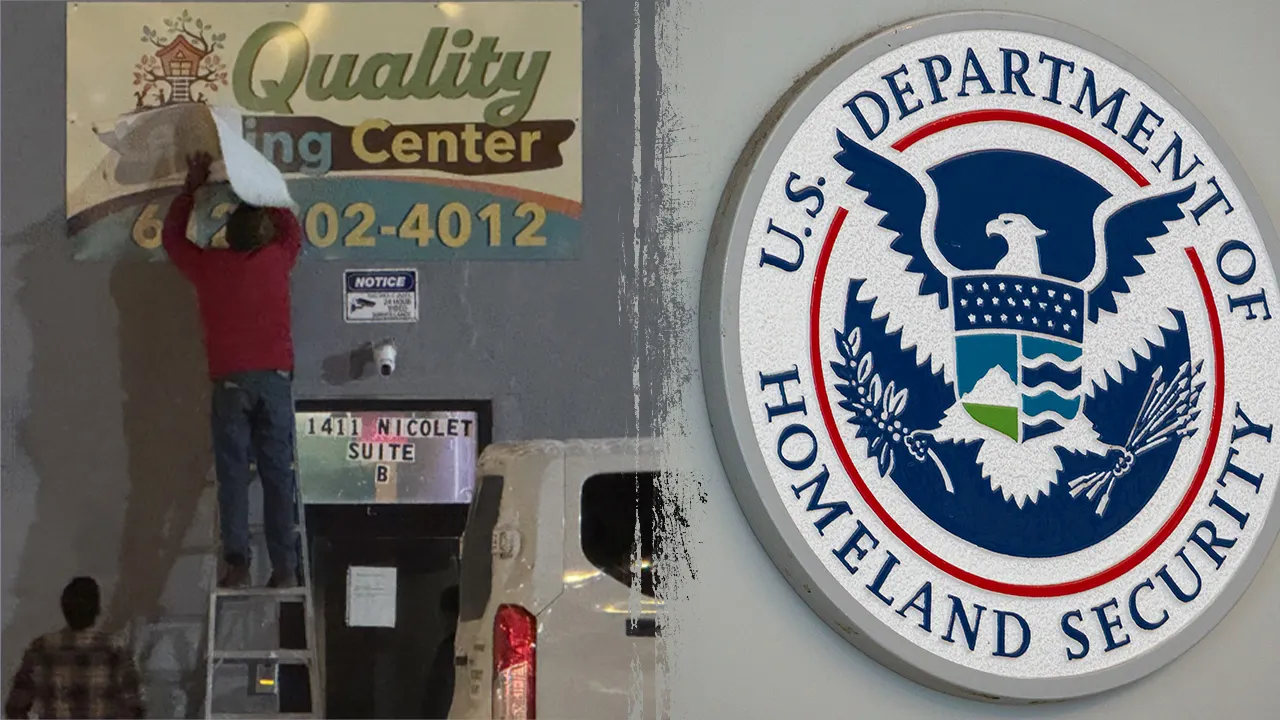
Federal authorities are investigating a massive fraud scandal in Minnesota involving taxpayer-funded daycare centers, Medicaid, and social services programs that may have resulted in billions of dollars in suspicious billing over the past decade. The growing probe has now expanded to include a review of whether some naturalized citizens obtained their U.S. citizenship fraudulently.
The Department of Health and Human Services has frozen certain child-care payments to Minnesota due to the alleged widespread fraud. According to federal prosecutors, their investigation now encompasses suspicious billing across 14 Medicaid-funded programs, where providers billed approximately $18 billion since 2018. A preliminary assessment suggests that “half or more” of that amount could be fraudulent.
Immigration authorities confirmed they are reviewing whether the fraud uncovered in Minnesota could provide legal grounds to revoke U.S. citizenship from naturalized individuals who concealed or misrepresented material facts during their immigration process.
“Under U.S. law, if an individual procures citizenship on a fraudulent basis, that is grounds for denaturalization,” said Department of Homeland Security Assistant Secretary Tricia McLaughlin in a statement.
DHS is actively reviewing immigration and naturalization cases involving migrants from 19 countries of concern, including Somalia, to determine whether any individuals obtained U.S. citizenship through fraud that could warrant denaturalization. The review focuses specifically on whether fraud occurred during the immigration or naturalization process, including false statements or marriage fraud used to obtain legal status or citizenship.
Attorney David Schoen explained on Fox News that denaturalization remains legally viable but only under extraordinary circumstances. “It is legally possible. In an extraordinary circumstance, we’d have to know the facts,” he said, adding that such actions would likely trigger “significant” court challenges.
Denaturalization is legally constrained, requires individualized civil court proceedings, and has historically been used sparingly. DHS emphasized that the process is governed by strict legal standards and applies only under limited circumstances.
The Minnesota investigation builds on years of scrutiny following some of the largest benefit-fraud cases ever prosecuted in the state, including a pandemic-era food aid scheme involving roughly $250 million in alleged losses. Federal officials say these cases exposed systemic weaknesses in oversight that may extend across multiple aid programs.
Minnesota is home to one of the largest Somali communities in the country, with Census Bureau estimates suggesting approximately 260,000 people of Somali descent living in the U.S., with close to 100,000 residing in Minnesota.
The scandal has drawn attention from high-profile political figures. White House Press Secretary Karoline Leavitt stated on Fox & Friends that the administration is “not afraid to use denaturalization” and confirmed that DHS and the State Department are examining whether citizenship could be revoked in connection with those involved in the Minnesota fraud probe.
Former President Donald Trump weighed in on the investigations, criticizing Minnesota’s handling of fraud and linking the scandal to illegal immigration. “Much of the Minnesota Fraud, up to 90%, is caused by people that came into our Country, illegally, from Somalia,” Trump wrote on Truth Social.
Republican lawmakers have raised questions about whether individuals involved were truthful throughout their immigration process. House Majority Whip Tom Emmer (R-Minn.) called for the deportation of all Somali immigrants involved in fraud cases in Minnesota, stating, “If they’re here illegally, deport them immediately; if they’re naturalized citizens, revoke their citizenship and deport them quickly thereafter.”
Historically, the federal government has pursued only a small number of denaturalization cases annually. Civil liberties groups have warned that expanding its use could raise due-process concerns, potentially setting up future legal battles over the scope and application of denaturalization proceedings.
Fact Checker
Verify the accuracy of this article using The Disinformation Commission analysis and real-time sources.

6 Comments
This is a troubling situation. While the alleged fraud is unacceptable, the prospect of stripping citizenship raises serious ethical and legal questions. I hope the authorities handle this matter with great care and impartiality.
Fraud in social services programs is a serious concern, but the potential consequences for naturalized citizens are quite alarming. I’m curious to hear more expert analysis on the legal precedents and due process considerations at play here.
Citizenship is a fundamental right, so any effort to revoke it must be done with the utmost scrutiny and respect for the rule of law. I’ll be following this story closely to see how the authorities navigate these complex issues.
This seems like a complex and sensitive issue. I’m curious to learn more about the legal implications and whether there are any precedents for revoking citizenship due to fraud. What do you think would be the fairest approach here?
Fraud on this scale is very concerning, but I worry that using it to question the citizenship status of naturalized individuals could open the door to discrimination. We’ll need to balance accountability with due process and civil rights protections.
I agree, it’s a delicate balance. Proper investigation and oversight will be crucial to ensure any citizenship revocations are fully justified and not abused for political purposes.