


Listen to the article
Minnesota faces a January 9 deadline to provide federal authorities with detailed information about child care providers and families receiving federal subsidies or risk losing critical funding, according to a notice sent to providers last week.
The state’s Department of Children, Youth and Families (DCYF) notified child care providers via email on Friday that recipient data must be submitted to federal officials by next week. The communication came in response to Tuesday’s announcement from the U.S. Department of Health and Human Services (HHS) that it would freeze all child care payments to Minnesota following allegations of widespread fraud at several child care centers.
“We recognize the alarm and questions this has raised,” the DCYF stated in its email. “We found out about the freezing of funds at the same time everyone else did on social media.” The department added that it did not receive formal communication from federal authorities until late Tuesday night, after HHS had already announced its decision publicly.
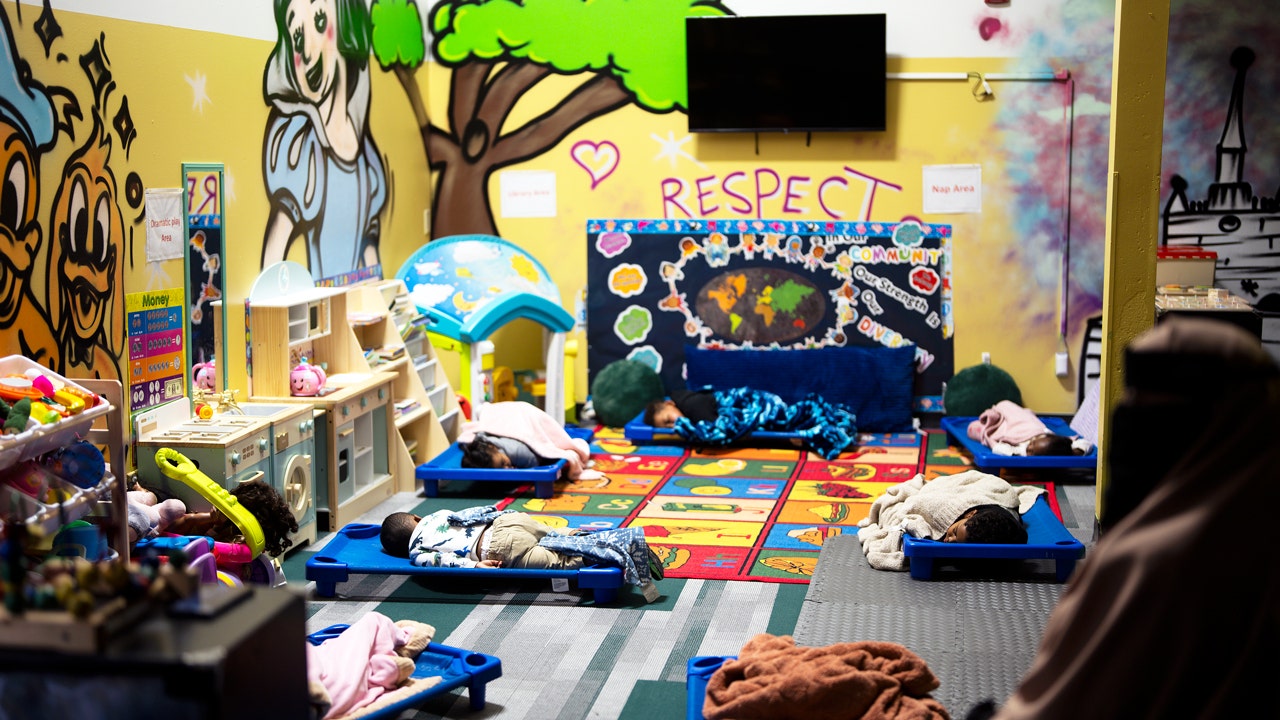
The funding freeze has created significant uncertainty for Minnesota’s child care ecosystem, which serves thousands of families across the state. Despite the payment suspension, the DCYF has instructed providers and families to continue following normal “licensing and certification requirements and practices as usual,” though the agency did not specify whether recipients need to take any additional actions at this time.
The controversy erupted after independent journalist Nick Shirley published a 42-minute video investigation that went viral, documenting his visits to multiple Minnesota child care facilities. Shirley alleged that several centers appeared inactive despite receiving substantial state child care assistance funds. One facility highlighted in the investigation was the Quality Learning Center in Minneapolis, which Shirley claimed showed no signs of operation despite continuing to receive government funding.
In response to these allegations, the state’s Office of Inspector General conducted on-site compliance checks this week at nine child care centers referenced in Shirley’s video. According to DCYF, investigators found the centers “operating as expected” with children present at all locations except one, which the department stated was not yet open for families at the time of inspection.
However, the department did acknowledge ongoing investigations at four of the centers mentioned in the video. In total, the agency reported having 55 open investigations involving providers receiving funding through the Child Care Assistance Program, indicating broader concerns about accountability in the system.
At a news conference on Monday, DCYF Commissioner Tikki Brown addressed the situation, saying that prior inspections of the centers had not uncovered fraud. “While we have questions about some of the methods that were used in the video, we do take the concerns that the video raises about fraud very seriously,” Brown stated.
The federal freeze is not limited to Minnesota. HHS has mandated that all states must submit additional verification documentation before receiving more child care funding, suggesting a nationwide effort to increase oversight of these programs.
The situation has significant implications for Minnesota’s child care infrastructure. Child care assistance programs provide critical support to low-income families, enabling parents to work while ensuring their children receive proper care. Any long-term disruption in funding could affect thousands of families across the state and potentially force some providers to close their doors.
As the January 9 deadline approaches, state officials are scrambling to compile the required information and restore federal funding as quickly as possible to minimize disruption to families and providers who depend on these subsidies.
Fact Checker
Verify the accuracy of this article using The Disinformation Commission analysis and real-time sources.

11 Comments
This is a challenging situation with no easy answers. While fraud allegations are serious, a blanket funding freeze could have devastating impacts on families and providers. I’ll be watching to see how Minnesota navigates this delicate balance.
Allegations of fraud at child care centers are troubling, but a blanket funding freeze doesn’t seem like the best approach. I wonder if there are ways to target problematic providers while still supporting the majority who are operating in good faith.
That’s a fair point. A more nuanced and collaborative solution would likely be better for families and the broader child care system in Minnesota.
I hope Minnesota and the federal government can work together constructively to find a solution that protects children, supports families, and addresses any instances of fraud or mismanagement. Reliable child care is essential for a thriving economy and community.
This is a complex issue with high stakes for Minnesota families. I’m curious to learn more about the specific allegations of fraud and whether there are systemic problems that need to be addressed. A balanced approach is important to avoid unintended consequences.
The child care funding freeze is concerning, but I’m glad to see Minnesota taking steps to provide the required information to federal authorities. Transparency and communication will be key to resolving this issue efficiently and equitably.
This is a concerning situation for Minnesota’s child care providers and families. I hope the state can provide the required information to federal authorities and resolve the funding freeze quickly. Reliable child care is essential for working parents and the state’s economy.
Agreed. The funding freeze could have significant ripple effects if not addressed swiftly. Transparency and cooperation from all sides will be key to finding a solution.
The child care funding freeze in Minnesota is a complex issue with important implications. I’m curious to learn more about the specific fraud allegations and whether there are systemic problems that need to be addressed. A collaborative approach will be key to finding an effective solution.
I’ll be closely watching how this situation unfolds. Reliable, affordable child care is critical infrastructure, and I hope Minnesota can work with the federal government to find a resolution that protects children and supports working families.
Reliable, affordable child care is crucial for working families and the broader economy. I hope Minnesota and the federal government can work together to quickly resolve this funding freeze in a way that protects children, supports providers, and addresses any instances of fraud.