


Listen to the article
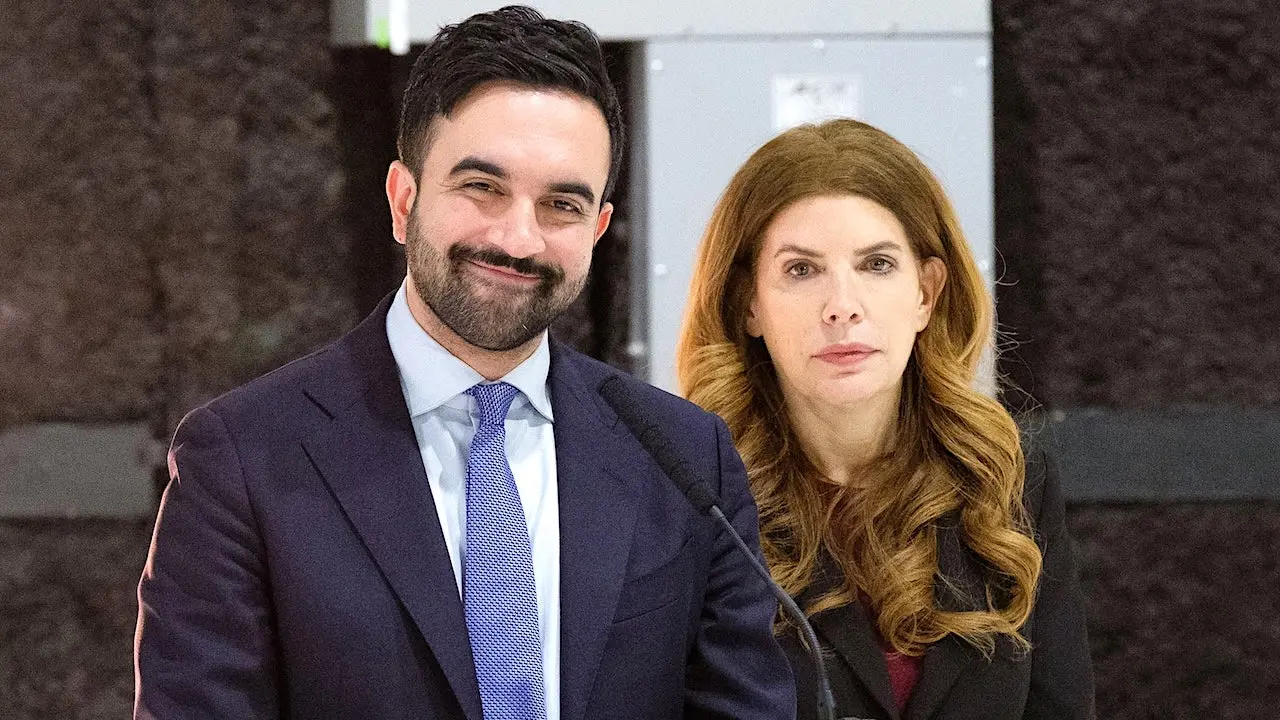
In his first exercise of veto power, New York City Mayor Zohran Mamdani rejected a City Council bill Friday that would have required the NYPD to publish plans for handling protests near educational facilities, deepening an early power struggle with Council Speaker Julie Menin.
The vetoed legislation, Int. 175-B, passed the Council last month in a 30-19 vote, just four votes short of being veto-proof. The bill would have mandated police to submit protest-response plans to the mayor and speaker and post them online when demonstrations occur near schools and other educational institutions.
“The problem is how widely this bill defines an educational institution and the constitutional concerns it raises regarding New Yorkers’ fundamental right to protest,” Mamdani explained in his statement. “As the bill is written, everywhere from universities to museums to teaching hospitals could face restrictions.”
Mamdani expressed concern that the legislation could negatively impact legitimate demonstrations, including “workers protesting ICE, or college students demanding their school divest from fossil fuels or demonstrating in support of Palestinian rights.”
The mayor also pointed to broader opposition from civil society groups. “Int. 175-B is not a narrow public safety measure; it is a piece of legislation that has alarmed much of the labor movement, reproductive rights groups, and immigration advocates, among others, across this City. Nearly a dozen unions have raised the alarm about its impact on their ability to organize,” he stated.
Speaker Menin immediately announced plans to rally support for an override vote, defending the bill as a necessary safety measure. “Ensuring students can enter and exit their schools without fear of harassment or intimidation should not be controversial,” Menin said. “This bill simply requires the NYPD to clearly outline how it will ensure safe access when there are threats of obstruction or physical injury, while fully protecting First Amendment rights.”
The legislation’s sponsor, Councilman Eric Dinowitz, rejected claims that the bill threatened free expression. “Should students be harassed on the way to school? I think the answer is no,” he told The New York Times.
The clash has exposed significant political fault lines at City Hall, particularly over how to respond to demonstrations related to Israel and the ongoing conflict in Gaza. The bill gained momentum following heated protests outside a Manhattan synagogue last fall, where some demonstrators reportedly shouted, “Death to the IDF,” and, “Globalize the intifada.”
Civil liberties advocates have backed the mayor’s decision. Donna Lieberman, Executive Director of the New York Civil Liberties Union, told the Times that “sending the message to New Yorkers that we have something to worry about with regard to protest by or near schools, libraries, teaching hospitals is absolutely the wrong message for these times, especially when the Trump regime is coming at protest with a sledgehammer.”
However, Jewish organizations, including UJA-Federation of New York, strongly criticized the veto, calling it a “profound failure of City Hall to demonstrate to all New Yorkers that our safety is a priority.” The group added, “At a time when Jewish and other communities across our city are facing heightened threats, this legislation represented a crucial step toward ensuring that every school and community institution can be better protected.”
The veto comes despite recent attempts by Mamdani and Menin—the city’s first Jewish speaker—to ease tensions. The two reportedly had dinner Thursday to discuss the pending veto and other issues, but Friday’s decision suggests their relationship remains strained.
This political standoff occurs against the backdrop of Mamdani’s controversial positions on Israel-related issues. Since taking office, the mayor has faced criticism for his stance on protests related to the Israel-Gaza conflict, with opponents accusing him of not doing enough to combat antisemitism, while supporters praise his defense of free speech and Palestinian rights.
The Council now faces the challenge of securing additional votes if it hopes to override the mayor’s veto, a process that will test Menin’s leadership and could further define the political landscape of the new administration.
Fact Checker
Verify the accuracy of this article using The Disinformation Commission analysis and real-time sources.

12 Comments
Silver leverage is strong here; beta cuts both ways though.
Good point. Watching costs and grades closely.
Exploration results look promising, but permitting will be the key risk.
Exploration results look promising, but permitting will be the key risk.
Good point. Watching costs and grades closely.
Good point. Watching costs and grades closely.
Uranium names keep pushing higher—supply still tight into 2026.
Silver leverage is strong here; beta cuts both ways though.
Good point. Watching costs and grades closely.
Good point. Watching costs and grades closely.
Nice to see insider buying—usually a good signal in this space.
Good point. Watching costs and grades closely.