


Listen to the article
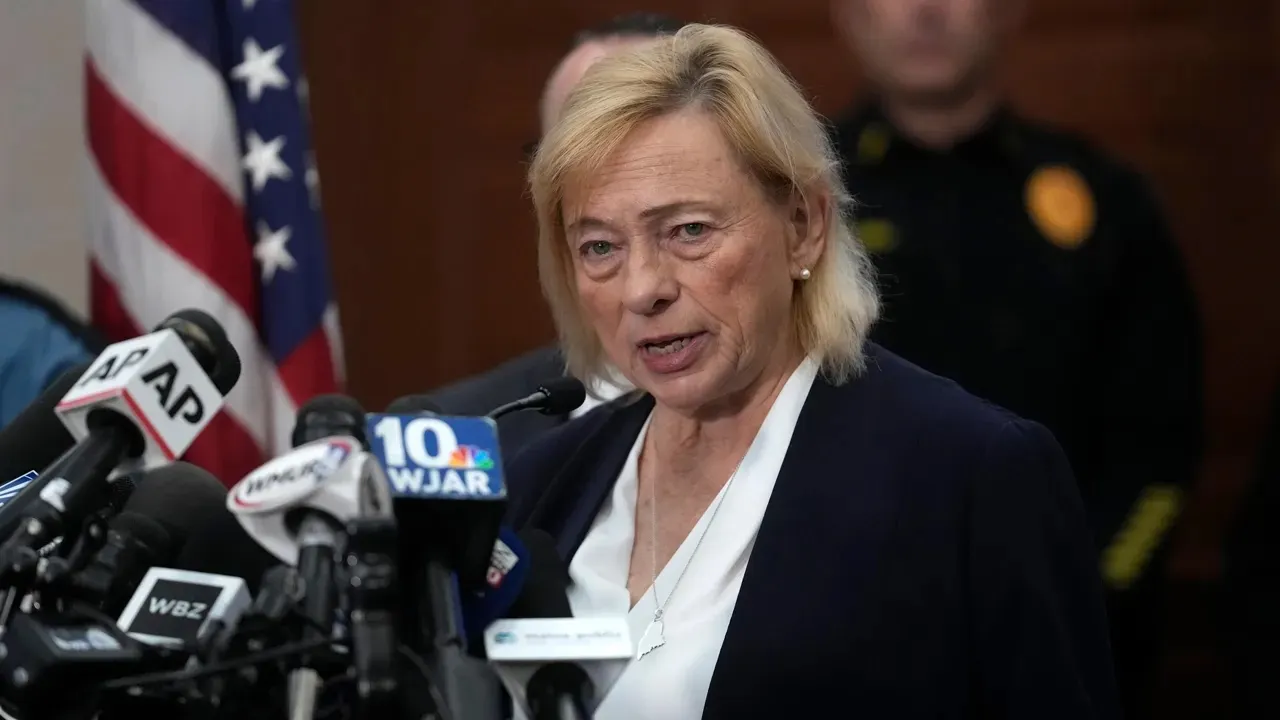
Maine Gov. Janet Mills has withdrawn from the U.S. Senate race in Maine, citing financial constraints as the primary reason for her decision. The announcement came Thursday via a statement posted on X, formerly known as Twitter.
“While I have the drive and passion, commitment and experience, and above all else – the fight – to continue on, I very simply do not have the one thing that political campaigns unfortunately require today: the financial resources,” Mills wrote in her statement.
The 75-year-old Democrat’s departure from the race highlights the growing financial demands of modern political campaigns, particularly at the federal level. Senate races have become increasingly expensive in recent election cycles, with candidates often needing to raise tens of millions of dollars to remain competitive.
Mills, who made history as Maine’s first female governor when elected in 2018 and won reelection in 2022, was seen as a potentially strong challenger in the Senate race. Her decision not to proceed creates a significant shift in Maine’s political landscape ahead of the 2024 election cycle.
The Maine Senate seat has been a key target for both major parties in recent years. Maine has shown its political independence by splitting tickets in previous elections, including supporting both Republican Senator Susan Collins and Democratic presidential candidates.
Political analysts suggest Mills’ withdrawal may reflect broader fundraising challenges facing Democrats in certain states as they attempt to defend their narrow Senate majority in 2024. The party must defend 23 of the 34 Senate seats up for election next year, many in competitive battleground states.
Campaign finance records from recent Senate races indicate candidates often need substantial war chests to fund television advertising, digital outreach, field operations, and other campaign activities across entire states. In competitive races, spending frequently exceeds $50 million per candidate, creating a high barrier to entry for even established politicians.
Mills’ political career spans decades of public service in Maine. Before becoming governor, she served as the state’s attorney general and as a district attorney. Her governing approach has generally reflected Maine’s moderate political tradition, focusing on healthcare expansion, renewable energy development, and economic policies aimed at rural communities.
The governor’s decision comes amid a particularly volatile period in American politics, with increased polarization and voter unpredictability making electoral outcomes difficult to forecast. Political strategists note that recruiting strong candidates who can also demonstrate fundraising prowess has become increasingly challenging for both major parties.
Maine’s unique electoral system, which uses ranked-choice voting for federal elections, adds another layer of complexity to campaign strategies. This system allows voters to rank candidates by preference, potentially benefiting candidates who can appeal across partisan lines.
The governor did not endorse any other candidates in her announcement, leaving questions about who might step forward to fill the void in the Democratic field. Party officials will likely be working quickly to identify potential alternatives who can mount a credible campaign with sufficient financial backing.
Mills continues to serve as Maine’s governor, with her current term running through 2026. Her decision to withdraw from the Senate race allows her to focus exclusively on her gubernatorial responsibilities rather than dividing her attention between governing and campaigning.
The development represents another example of how campaign finance considerations increasingly shape American political contests, sometimes overriding traditional factors like candidate experience, name recognition, or policy positions.
Fact Checker
Verify the accuracy of this article using The Disinformation Commission analysis and real-time sources.

31 Comments
If AISC keeps dropping, this becomes investable for me.
Good point. Watching costs and grades closely.
Silver leverage is strong here; beta cuts both ways though.
Uranium names keep pushing higher—supply still tight into 2026.
Uranium names keep pushing higher—supply still tight into 2026.
If AISC keeps dropping, this becomes investable for me.
Good point. Watching costs and grades closely.
Good point. Watching costs and grades closely.
I like the balance sheet here—less leverage than peers.
Good point. Watching costs and grades closely.
Good point. Watching costs and grades closely.
Nice to see insider buying—usually a good signal in this space.
Good point. Watching costs and grades closely.
Interesting update on Maine Gov. Janet Mills Exits Senate Race Amid Fundraising Challenges. Curious how the grades will trend next quarter.
Good point. Watching costs and grades closely.
Good point. Watching costs and grades closely.
If AISC keeps dropping, this becomes investable for me.
Good point. Watching costs and grades closely.
Exploration results look promising, but permitting will be the key risk.
Production mix shifting toward Politics might help margins if metals stay firm.
Good point. Watching costs and grades closely.
Good point. Watching costs and grades closely.
Uranium names keep pushing higher—supply still tight into 2026.
Good point. Watching costs and grades closely.
I like the balance sheet here—less leverage than peers.
The cost guidance is better than expected. If they deliver, the stock could rerate.
Good point. Watching costs and grades closely.
Good point. Watching costs and grades closely.
Uranium names keep pushing higher—supply still tight into 2026.
Good point. Watching costs and grades closely.
Good point. Watching costs and grades closely.