


Listen to the article
Louisiana lawmakers are significantly expanding a homicide bill following a deadly shooting at the Mall of Louisiana, with provisions that would broaden first-degree murder charges and potentially increase death penalty eligibility in the state.
House Bill 102, initially introduced to address abuse or neglect of elderly and vulnerable individuals, has evolved dramatically as it progressed through the legislative process. The bill now contains extensive provisions connecting such abuse to existing murder laws, meaning deaths resulting from elder abuse could be prosecuted as murder.
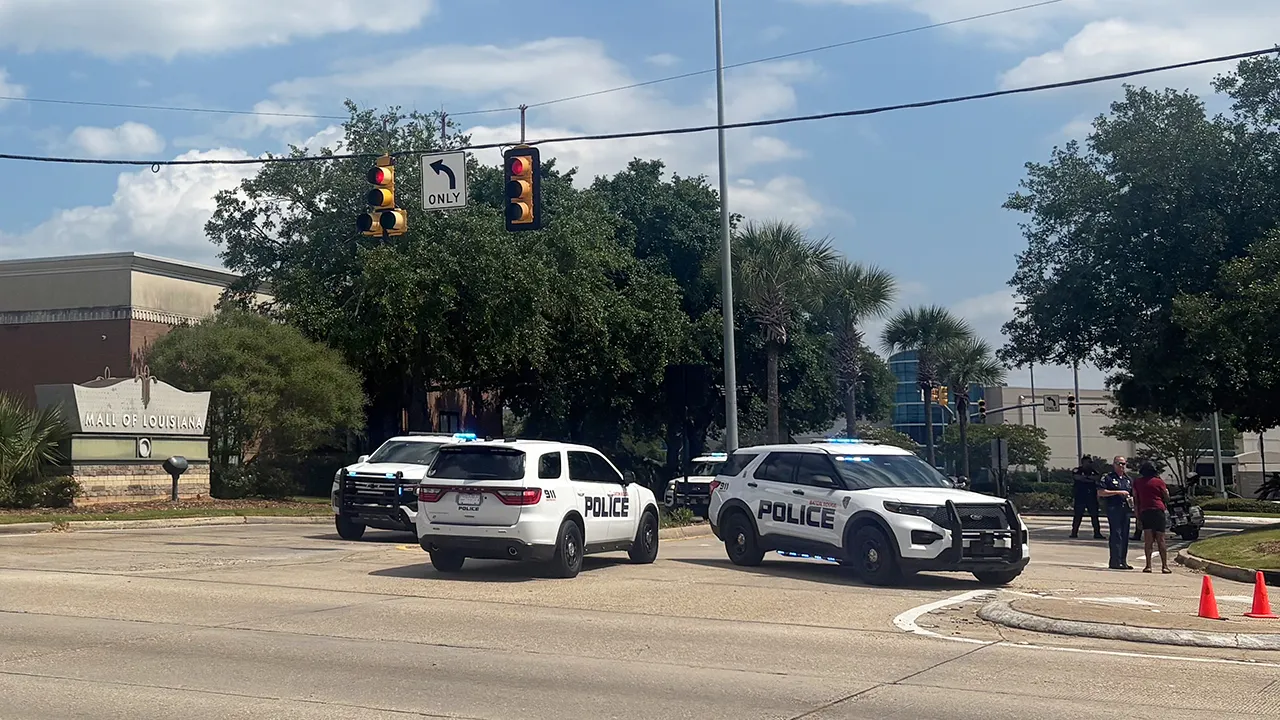
The most substantial changes came after the April 23 shooting at the Mall of Louisiana in Baton Rouge, when State Senator Alan Seabaugh, a Republican from Shreveport, introduced sweeping amendments. The mall shooting prompted a massive law enforcement response after reports of an active shooter sent shoppers fleeing for safety. Authorities reported that multiple people opened fire during a dispute between groups inside the shopping center.
The violence resulted in the death of 17-year-old Martha Odom and wounded at least five others, including several bystanders caught in the crossfire. Police subsequently took multiple suspects into custody following the incident, which created widespread panic among shoppers and mall employees.
In the aftermath, Governor Jeff Landry emphasized that the shooting highlighted ongoing public safety concerns across Louisiana. Senator Seabaugh stated that the amendments were specifically designed to address situations where individuals fire into crowds and kill unintended victims.
Under the revised legislation, first-degree murder charges would be expanded to include killings in public places where the offender creates a risk of death or great bodily harm to three or more people. Additional provisions would apply to offenders who use firearms illegally or commit homicides while on bail, probation, or parole.
The bill also establishes a legal presumption that pointing and discharging a firearm at another person demonstrates an intent to kill or inflict serious harm. This change could significantly impact how prosecutors approach gun violence cases throughout the state.
The implications of these changes are substantial for Louisiana’s criminal justice system. First-degree murder in Louisiana is classified as a capital offense, meaning that individuals convicted under these expanded definitions could potentially face the death penalty. This comes as Louisiana has been working to resume executions after a 15-year pause, with recent legislation approving nitrogen gas as an execution method.
The legislative response reflects growing concern about public violence in Louisiana, particularly incidents where bystanders become victims. The Mall of Louisiana shooting exemplifies the type of public safety threat lawmakers aim to address, as it involved gunfire in a crowded public venue resulting in multiple casualties, including unintended targets.
Criminal justice experts note that expanding first-degree murder definitions represents a significant shift in how Louisiana prosecutes violent crime, potentially giving prosecutors more tools to pursue severe penalties in cases of public violence.
Before becoming law, the bill must still complete its journey through the legislature before heading to Governor Landry’s desk for final approval. If enacted, the legislation would represent one of the most substantial expansions of Louisiana’s homicide laws in recent years, directly influenced by the April mall shooting that shocked the Baton Rouge community.
Local advocacy groups are closely monitoring the bill’s progress, with some supporting tougher penalties for public violence while others express concerns about further expanding capital punishment eligibility in the state.
Fact Checker
Verify the accuracy of this article using The Disinformation Commission analysis and real-time sources.

14 Comments
This is a tragic situation. Expanding first-degree murder charges and death penalty eligibility is a heavy-handed response that may do more harm than good. We need to focus on addressing the root causes of violence and improving community-police relations.
I agree. Tougher sentencing doesn’t necessarily make communities safer in the long run. More investment in violence prevention programs, mental health resources, and conflict resolution could be a more effective approach.
Lawmakers should tread carefully when making sweeping changes to criminal laws in the wake of a specific incident. Broader context and data-driven policy are needed to enact meaningful reforms that balance public safety with civil liberties.
Well said. Knee-jerk legislative reactions often miss the mark. I hope they take the time to thoroughly study the issues and engage with all stakeholders before making drastic changes.
While the mall shooting was undoubtedly tragic, I’m concerned that this legislative response may do more harm than good. Expanding first-degree murder charges and death penalty eligibility seems like an overly punitive approach that could have unintended consequences. I hope lawmakers pursue more nuanced, evidence-based solutions.
It’s understandable that lawmakers want to be seen as ‘tough on crime’ after a high-profile incident. But criminal justice reforms should be based on evidence, not knee-jerk reactions. I hope they take the time to get this right.
Agreed. Passing new laws in the heat of the moment rarely leads to good policy. A more measured, data-driven approach is needed to address the complex roots of gun violence without trampling on civil liberties.
This bill appears to be an overly punitive response to a specific incident. Expanding first-degree murder charges could have serious unintended consequences and do little to address the underlying causes of gun violence. I hope lawmakers take a more holistic, data-driven approach.
Agreed. Knee-jerk legislative reactions often miss the mark. I hope they take the time to thoroughly study the issue and engage with all relevant stakeholders before making any major changes to the criminal justice system.
Broadening first-degree murder charges and expanding death penalty eligibility is a concerning development. I worry this could disproportionately impact marginalized communities and do little to actually prevent future violence. Lawmakers should focus on evidence-based solutions.
While the mall shooting was undoubtedly tragic, I’m not convinced that broadening first-degree murder charges and increasing death penalty eligibility is the right approach. That seems more like political posturing than an effective solution to gun violence. I hope they pursue more nuanced, evidence-based reforms.
While the mall shooting was horrific, expanding first-degree murder charges seems like an overly punitive response that could have unintended consequences. I wonder if there are other, more holistic approaches to reducing gun violence that lawmakers should consider.
This seems like a hasty and potentially problematic legislative response. Expanding first-degree murder charges could have wide-ranging unintended consequences that may not improve public safety. I hope they take the time to carefully consider the implications.
You raise a good point. Emotional reactions to tragedies often lead to poor policymaking. I hope the lawmakers take a step back and consult with criminal justice experts, community leaders, and other stakeholders before making such sweeping changes.