


Listen to the article
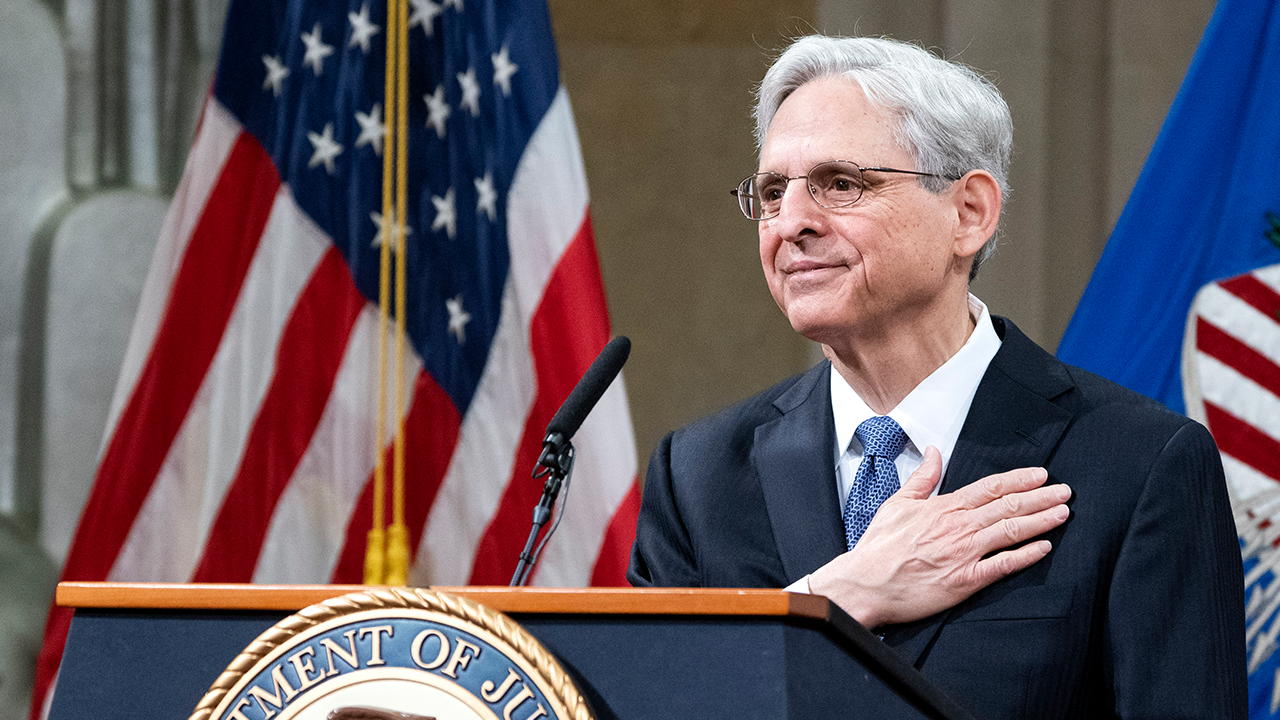
Internal emails obtained by Fox News reveal that senior Justice Department officials privately condemned a 2021 memo issued by then-Attorney General Merrick Garland, calling it politically motivated and potentially damaging to the department’s credibility — even as the Biden administration publicly defended the directive.
The memo, released by the Justice Department in October 2021, directed federal law enforcement to coordinate a response to what it described as an escalating wave of “harassment, intimidation and threats of violence” against school board members, teachers, and other public school employees. Its release came amid a period of intense national tension, as parents across the country flooded school board meetings to protest pandemic-era learning restrictions and curricula addressing race and gender.
The memo was issued weeks after the National School Boards Association wrote to the Biden administration requesting federal intervention, suggesting that some conduct by angry parents could constitute “domestic terrorism” — a characterization that immediately drew fierce pushback from Republican lawmakers, conservative commentators, and parents’ groups nationwide.
But according to the newly obtained internal emails, the backlash wasn’t limited to outside critics. Within the Justice Department itself, senior officials raised sharp objections before the memo was ever made public.
“I don’t think it’s possible to state how strongly I object to this,” one deputy assistant attorney general wrote in an internal email chain. “It will completely and totally nuke our election threats efforts, and will damage the reputation of the Public Integrity Section into the bargain. It’s like they’ve affirmatively trying to make this thing not work and look political.”
The same official went further, writing: “If they do this, they might as well rename the damn thing the Anti-MAGA Task Force.”
The chief of the DOJ’s Public Integrity Section replied with blunt agreement: “Exactly! Stupid, stupid, stupid.”
Other officials questioned whether the department even had a legal basis to act. One principal deputy assistant attorney general wrote that there was “no conceivable connection” to public integrity issues and challenged the existence of any legitimate federal interest. “If they’re going to make the AG’s memo to the field about this and election threats, I’m going to strongly recommend that they not send it,” the official wrote.
The Public Integrity section chief echoed those concerns, warning that the memo risked turning the Justice Department and the FBI into the “threat police” and criticized it for containing “no limiting principle at all.”
The episode unfolded at a politically charged moment in American education. The pandemic had forced schools nationwide to shift to remote learning, and as campuses began reopening, disagreements over mask mandates, vaccine policies, and classroom instruction on race — often referred to under the umbrella term “critical race theory” — turned local school board meetings into flashpoints. Parents who felt shut out of decisions affecting their children showed up in large numbers, sometimes confronting board members in heated exchanges.
Critics of the Garland memo argued it effectively sought to use federal law enforcement resources to chill legitimate parental protest — a charge that gained momentum when the NSBA itself reversed course. In a subsequent letter to its members, the organization formally apologized for its original request, acknowledging that “there was no justification for some of the language included in the letter” and expressing regret for the “strain and stress this situation has caused.”
Despite the NSBA’s retreat and mounting pressure from Republican members of Congress, Garland declined to withdraw or apologize for the memo. He defended his decision by framing it in broad terms. “The obligation of the Justice Department is to protect the American people against violence and threats of violence,” Garland said, “and that particularly includes public officials.”
The Justice Department and Garland did not respond to requests for comment from Fox News.
The release of these internal communications adds a new dimension to an already contentious chapter in recent Justice Department history. They suggest that the reservations about the memo were not merely political talking points raised by outside opponents, but genuine institutional concerns shared by career officials who worried the directive would compromise the department’s independence and operational credibility. For many observers, the episode remains a striking example of the tensions that can arise when law enforcement agencies become entangled in politically sensitive domestic disputes.
Fact Checker
Verify the accuracy of this article using The Disinformation Commission analysis and real-time sources.

27 Comments
I like the balance sheet here—less leverage than peers.
Nice to see insider buying—usually a good signal in this space.
Good point. Watching costs and grades closely.
Good point. Watching costs and grades closely.
Uranium names keep pushing higher—supply still tight into 2026.
Good point. Watching costs and grades closely.
If AISC keeps dropping, this becomes investable for me.
Good point. Watching costs and grades closely.
The cost guidance is better than expected. If they deliver, the stock could rerate.
Good point. Watching costs and grades closely.
I like the balance sheet here—less leverage than peers.
Good point. Watching costs and grades closely.
Good point. Watching costs and grades closely.
Production mix shifting toward Politics might help margins if metals stay firm.
Good point. Watching costs and grades closely.
Exploration results look promising, but permitting will be the key risk.
Good point. Watching costs and grades closely.
Exploration results look promising, but permitting will be the key risk.
Exploration results look promising, but permitting will be the key risk.
Good point. Watching costs and grades closely.
Good point. Watching costs and grades closely.
Nice to see insider buying—usually a good signal in this space.
Good point. Watching costs and grades closely.
Good point. Watching costs and grades closely.
Interesting update on Justice Department Emails Reveal Internal Conflict Over Biden Administration Memo Targeting Parents at School Boards. Curious how the grades will trend next quarter.
Good point. Watching costs and grades closely.
Good point. Watching costs and grades closely.