


Listen to the article
HEDGESVILLE, W.V. – As the U.S. Supreme Court prepares to hear arguments on West Virginia’s controversial Save Women’s Sports Act next week, Senator Jim Justice is defending the law he signed as governor in 2021. The legislation, which prohibits transgender girls from competing in women’s sports, faces a critical test with nationwide implications.
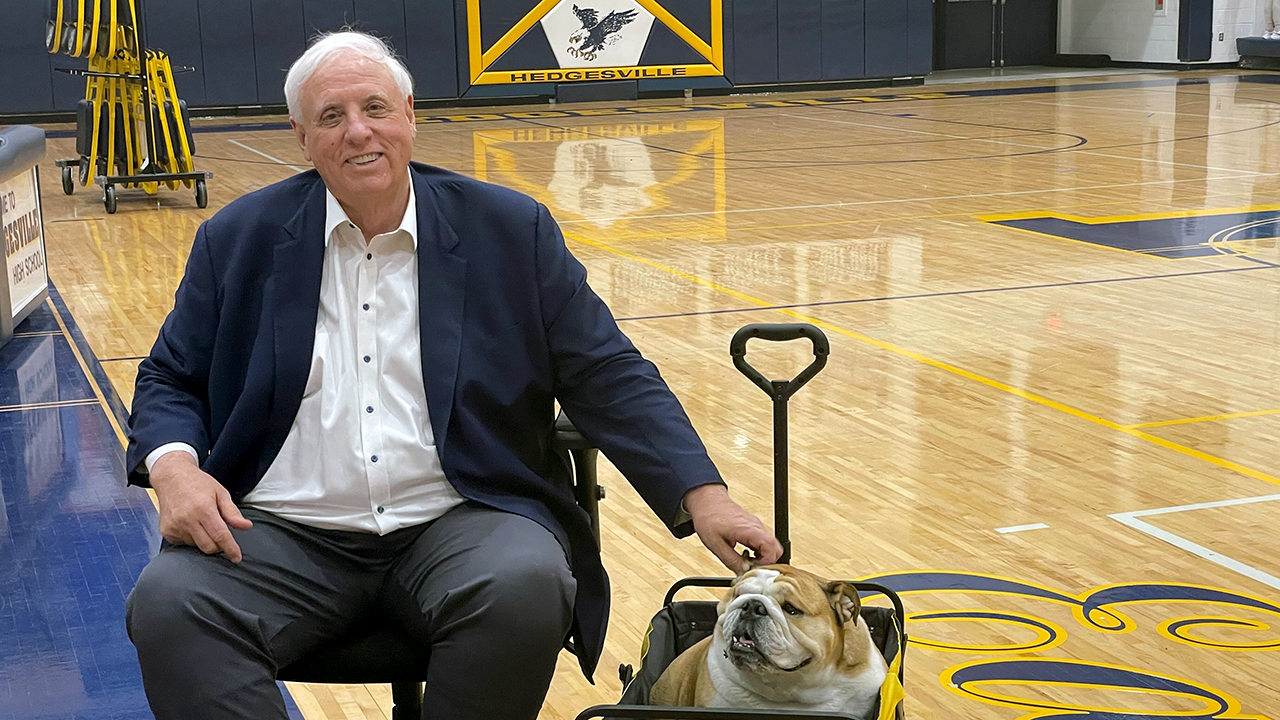
Justice spoke to Fox News Digital on Saturday after coaching the Greenbrier East High School girls’ basketball team to a victory over Hedgesville. “Why in the world don’t we step up and stand behind all the young girls and all the women who are trying to participate in athletics?” Justice said from courtside. “It is unbelievable what they’ve done, and I am so proud of them — And to absolutely just walk away, turn our back and say, ‘Oh, well, it’s OK for us to [let] boys participate against their girls’ — I am off-the-chart absolutely standing with our women.”
The case heading to the Supreme Court involves a transgender girl identified in court documents as “B.P.J.” from the Bridgeport area who sued to overturn the law and gain access to girls’ sports teams. After a trial court initially upheld the law in 2023, it was overturned on appeal in April 2024. The Supreme Court agreed to hear the case in July, with oral arguments scheduled for Tuesday.
Justice, who has coached girls’ basketball for years, cited his firsthand experience watching female athletes train. “You should see how hard our girls work all the time to perfect what they’re doing, to absolutely have a dream of going to college and playing ball. My daughter played college basketball. I’ve been there,” he said.
The senator was among several lawmakers who filed an amicus brief supporting West Virginia Attorney General JB McCuskey and current Governor Patrick Morrisey as they bring the case before the court. Their argument centers on the position that Congress, not the courts, should be responsible for any expansion of Title IX beyond biological sex to include gender identity.
“I think absolutely that Congress should be the one to expand it, but beyond that, I don’t know why we’d even consider it,” Justice remarked.
The case has significant implications for how Title IX, the 1972 civil rights law prohibiting sex-based discrimination in education, will be interpreted and applied nationwide. West Virginia is one of at least 24 states that have enacted similar restrictions on transgender participation in sports.
On the other side of the case, B.P.J. has identified as female since third grade and takes puberty-blocking medication. She qualified for the West Virginia girls high school state track meet last year, finishing third in the discus throw and eighth in the shot put in the Class AAA division. The plaintiff’s legal team has reported instances of harassment and intimidation over the lawsuit.
Justice’s defense of the law fits into his broader promotion of West Virginia values. “West Virginia is so good in so many ways,” he said. “We are bound with logic, common sense, goodness, good neighbors, people that are appreciative and loving.”
The Save Women’s Sports Act was originally spearheaded in the West Virginia legislature by Republican Delegates Evan Worrell of Barboursville, Wayne Clark of Charles Town, and Jonathan Pinson of Ravenswood before reaching Justice’s desk.
The Supreme Court will be considering both West Virginia’s law and a similar Idaho policy. Notably, the Biden administration’s Justice Department supports the state laws and will be allotted time during oral arguments.
The case has drawn national attention, with over 130 Democratic congressional representatives filing a brief urging the Supreme Court to side with the transgender athlete. Meanwhile, a coalition of 207 women lawmakers filed briefs supporting West Virginia’s position.
Legal experts note that the Court’s decision could establish a precedent affecting not only school sports but potentially broader questions about transgender rights and the scope of Title IX protections. The ruling, expected later this term, will likely influence policy decisions across the country as states continue to grapple with these complex social and legal questions.
Fact Checker
Verify the accuracy of this article using The Disinformation Commission analysis and real-time sources.

12 Comments
This is a complex issue with valid concerns on both sides. I hope the Supreme Court carefully weighs the rights and fairness for all athletes, regardless of gender identity.
It’s important to find solutions that uphold the principles of inclusion and fair competition in women’s sports.
I appreciate Senator Justice’s passion for supporting women’s athletics, but excluding transgender girls also raises legal and ethical questions. The Supreme Court review will be closely watched.
Finding the right policy solution to uphold fairness and inclusion in women’s sports is a formidable challenge.
This case highlights the ongoing tensions between gender identity rights and concerns about athletic fairness. The Supreme Court must weigh these competing interests carefully.
I hope the court can provide clear guidance that respects the dignity and rights of all athletes.
This is a sensitive topic without easy answers. I’m curious to hear the arguments and perspectives presented to the Supreme Court on this important issue.
Hopefully the court can provide clarity and guidance that respects the rights and concerns of all involved.
Preserving the integrity of women’s sports is important, but excluding transgender athletes also raises fairness concerns. The Supreme Court has a difficult balance to strike.
I’m eager to see how the court navigates this complex issue and what precedent they set.
While I understand the desire to protect women’s sports, banning transgender girls from competing raises questions of discrimination. The court must balance inclusion and fairness.
Thoughtful, nuanced policies are needed to ensure equal opportunities for all athletes.