


Listen to the article
In a significant legal rebuke to the Trump administration’s immigration policies, a federal judge ruled Monday that Venezuelan migrants deported to an El Salvador prison must be granted legal due process, marking another chapter in an ongoing legal battle over the administration’s controversial deportation practices.
U.S. District Judge James Boasberg ordered the government to develop a plan within two weeks for the affected migrants, who have since been returned to Venezuela as part of a prisoner exchange. His ruling was unequivocal about the violation of their rights.
“Plaintiffs should not have been removed in the manner that they were, with virtually no notice and no opportunity to contest the bases of their removal, in clear contravention of their due-process rights,” Boasberg wrote in his decision.
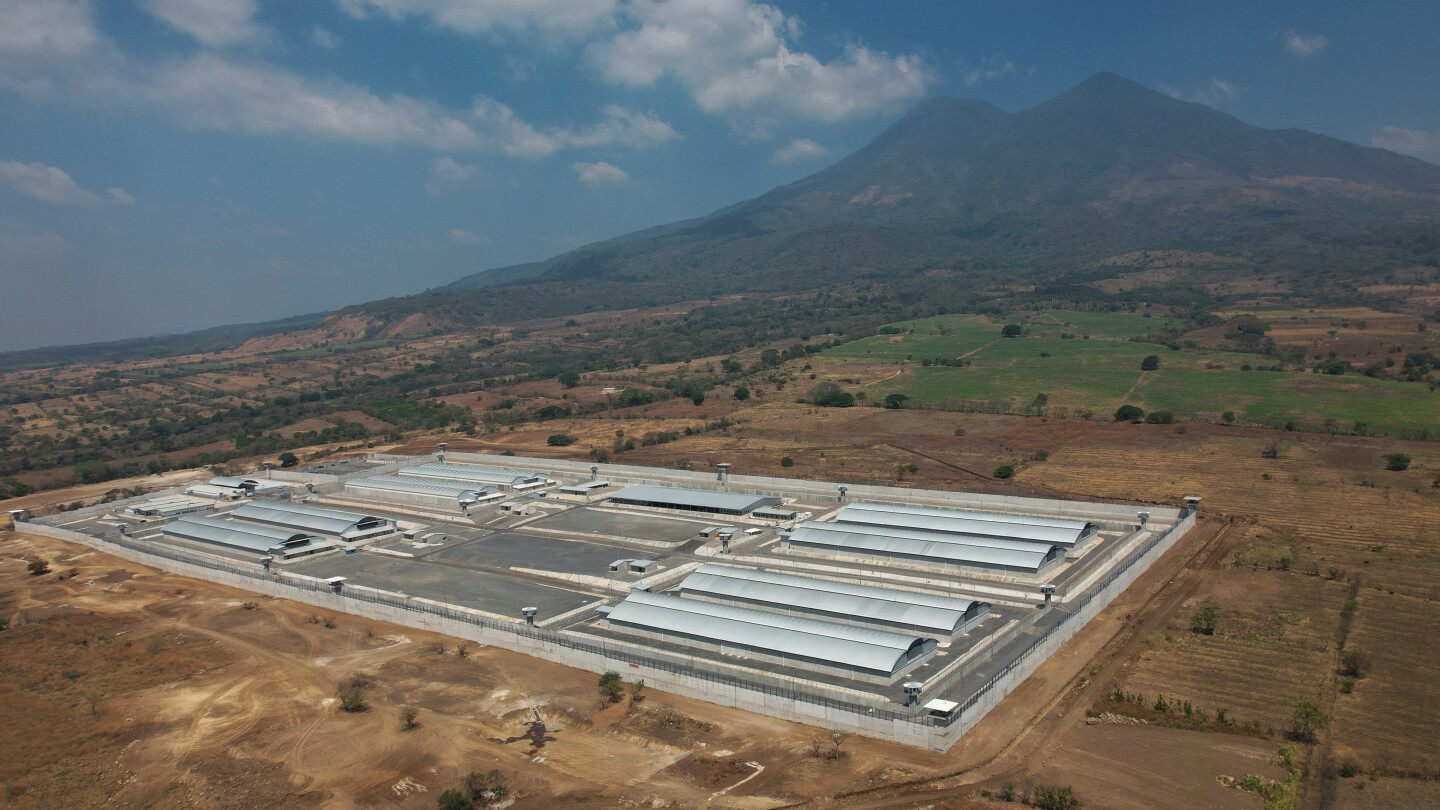
The case stems from a controversial operation in March when the Trump administration invoked the Alien Enemies Act, an 18th-century wartime law, to deport Venezuelan migrants accused of gang membership. Two planeloads of men were sent to the Terrorism Confinement Center (CECOT), a maximum-security prison in El Salvador known for its harsh conditions.
The deportations occurred despite Judge Boasberg issuing a verbal order for the aircraft to turn around, leading him to initiate a contempt investigation against the administration. This extraordinary confrontation between the judicial and executive branches has since been temporarily paused by an appeals court.
The administration has consistently denied violating the judge’s order, and the White House did not immediately respond to requests for comment following Monday’s ruling.
More than 200 migrants who had been detained in El Salvador were subsequently released back to Venezuela in July as part of a broader prisoner swap between Venezuela and the United States, complicating the legal situation surrounding their cases.
Boasberg’s ruling now creates a pathway for these individuals to challenge the government’s allegations that they are members of the Tren de Aragua gang, a designation that served as the justification for their removal under the rarely used Alien Enemies Act. This statute, dating back to 1798, grants the president authority to detain or deport non-citizens from an enemy country during wartime.
“This critical ruling makes clear that the Trump administration cannot simply spirit people off to a notorious foreign prison with zero due process and simply walk away. There are consequences,” said ACLU attorney Lee Gelernt, who represents the migrants in this case.
The decision represents a significant legal challenge to the administration’s aggressive immigration enforcement policies, particularly those targeting Venezuelan migrants. Venezuela has experienced a massive exodus in recent years, with millions fleeing economic collapse, political repression, and humanitarian crisis under the Maduro regime.
Immigration advocates have consistently criticized the administration’s approach, arguing that many Venezuelan migrants are legitimate asylum seekers rather than security threats. Human rights organizations have also raised concerns about conditions at CECOT, describing it as unsuitable for housing migrants awaiting immigration proceedings.
Boasberg, who was appointed to the federal bench by Democratic President Barack Obama, has been a key judicial figure in several immigration-related cases during the current administration. His ruling reinforces the judiciary’s role as a check on executive power in immigration enforcement matters.
As this legal battle continues to unfold, it highlights the tensions between aggressive immigration enforcement policies and constitutional due process protections, an issue that remains at the forefront of America’s ongoing immigration debate.
Fact Checker
Verify the accuracy of this article using The Disinformation Commission analysis and real-time sources.

8 Comments
This ruling seems like an important check on the Trump administration’s deportation practices. Deporting migrants without due process raises serious human rights concerns that deserve close judicial scrutiny.
This case highlights the complex legal and humanitarian issues surrounding immigration enforcement. It’s good to see the courts stepping in to protect the rights of vulnerable migrants.
The judge’s strong language about the ‘clear contravention’ of the migrants’ rights is telling. This appears to be a significant rebuke of the administration’s tactics.
The use of an 18th-century wartime law to deport these migrants is quite concerning. I hope the court’s decision helps prevent such overreach in the future.
I’m curious to see how the administration responds to this order to develop a plan for the affected Venezuelan migrants. Upholding due process rights should be a core principle, even for those facing deportation.
Agreed. Ensuring a fair and transparent process is essential, regardless of the migrants’ background or legal status.
While border security is important, the administration’s actions here seem to have crossed the line. Due process must be upheld, even for those facing deportation.
Exactly. The rule of law and fundamental rights should not be compromised, no matter the political context.