


Listen to the article
Federal Judge Orders Changes to Pacific Northwest Dam Operations to Protect Salmon
A federal judge in Oregon has mandated limited modifications to hydropower dam operations on the Columbia and Snake rivers to protect endangered salmon populations, marking the latest development in a decades-long environmental battle.
U.S. District Judge Michael Simon ruled late Wednesday that the Trump administration’s plans for the dams would further harm salmon runs that are “disappearing from the landscape.” The judge ordered that reservoir levels remain consistent with last year’s operations while implementing specific spill requirements to help migrating salmon navigate the massive structures.
“One of the foundational symbols of the West, a critical recreational, cultural, and economic driver for Western states, and the beating heart and guaranteed resource protected by treaties with several Native American tribes is disappearing from the landscape,” Simon wrote in his decision.
The ruling represents another chapter in protracted litigation involving Oregon, Washington, Native American tribes, and conservation groups seeking stronger protections for salmon. These fish face severe mortality rates as they attempt to navigate the extensive dam system that has transformed the Columbia River Basin.
The legal battle appeared to reach a turning point in 2023 when the Biden administration brokered a landmark agreement, committing $1 billion over ten years for salmon restoration and tribal clean energy projects. That deal paused the ongoing litigation while stakeholders worked toward long-term solutions. However, when the Trump administration later rejected the agreement as “radical environmentalism,” particularly opposing potential breaching of four Snake River dams, plaintiffs returned to court.
In his ruling, Judge Simon expressed frustration with what he called a “disappointing history of government avoidance and manipulation instead of sincere efforts at solving the problem.” His order requires maintaining reservoir levels consistent with last year’s operations while implementing specific spill requirements that he described as “narrowly tailored” to essentially maintain the status quo.
Amanda Goodin, an attorney with environmental law firm Earthjustice, expressed relief at the decision, stating that the government’s proposed operations “would have had really, really devastating consequences for salmon.” Federal agencies, including the Justice Department, National Marine Fisheries Service, and Bonneville Power Administration, have not yet commented on the ruling.
The federal government had argued in court filings that the requested changes would represent a “sweeping scheme to wrest control” of the dams, potentially compromising safety, efficiency, power generation, navigation, and irrigation while potentially raising utility rates.
The Columbia River Basin, covering an area approximately the size of Texas, once supported the world’s most productive salmon ecosystem, with at least 16 stocks of salmon and steelhead. Today, four of those stocks are extinct, and seven are listed as endangered or threatened. The endangered salmon populations are also vital to another iconic but endangered Northwestern species—resident killer whales that depend on the fish as a primary food source.
Dam construction beginning in the 1930s with the Grand Coulee and Bonneville dams provided Depression-era jobs, hydropower, and inland navigation that allowed Lewiston, Idaho, to become the West Coast’s most inland seaport. However, these structures have severely impacted salmon migrations by forcing fish through turbines, creating warmer water temperatures in reservoirs, and dramatically slowing juvenile fish migration to the ocean.
The journey that once took juvenile salmon two to three days from the upper Snake River to the ocean now takes weeks as they navigate eight dams, exposing them to increased predation and other hazards.
The Inland Ports and Navigation Group, which opposed the injunction, expressed concern that the order “increases the risk of harm to infrastructure, listed species, and public safety while failing to demonstrate that there will be benefits to listed salmon and steelhead.”
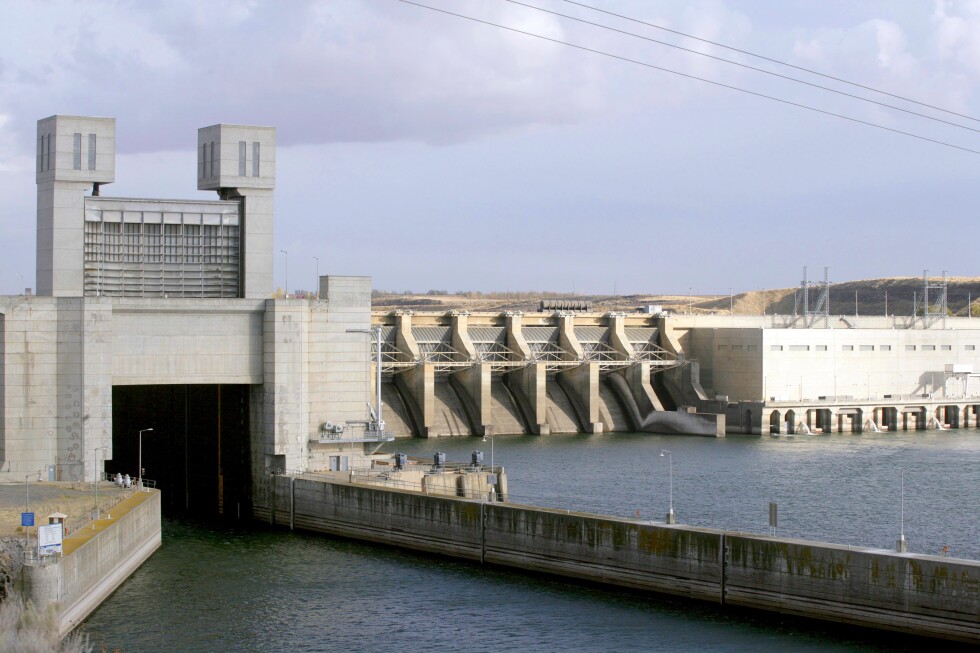
For regional tribes, however, the dams represent a major threat to salmon, which they consider integral to their cultural and spiritual identity. The specific dams affected by the ruling include Ice Harbor, Lower Monumental, Little Goose and Lower Granite on the Snake River, and Bonneville, The Dalles, John Day and McNary on the Columbia.
As this latest ruling suggests, finding a balance between the region’s hydropower, navigation, and agricultural interests while protecting endangered salmon populations remains an ongoing challenge with profound ecological, cultural, and economic implications for the Pacific Northwest.
Fact Checker
Verify the accuracy of this article using The Disinformation Commission analysis and real-time sources.

11 Comments
Salmon are an iconic part of the Pacific Northwest’s natural heritage. It’s disheartening to hear they are disappearing. I’m glad the court is taking action to prioritize their conservation, though the impacts on the region’s energy and economy will need to be carefully managed.
The judge’s decision reflects the difficult tradeoffs involved in managing river systems and protecting endangered species. Hopefully the required changes to dam operations can be implemented in a way that mitigates harm to salmon while minimizing disruption to power generation and other uses.
As someone who enjoys fishing, I’m very concerned about the decline of salmon in the region. I appreciate the judge taking strong action to address this issue, but I wonder how the required modifications to dam operations will affect energy costs and reliability in the Pacific Northwest.
That’s a good point. The economic and energy impacts will need to be carefully evaluated to ensure an appropriate balance is struck. Protecting the salmon is crucial, but not at the expense of causing major disruptions.
Salmon are such an integral part of the Pacific Northwest, so it’s deeply troubling to hear they are ‘disappearing from the landscape.’ While the judge’s decision may create some challenges, I believe protecting these critical fish should be the top priority. Hopefully the required modifications can be implemented effectively.
This is a complex issue with valid concerns on both sides. Protecting endangered salmon is crucial, but the dams also provide important hydropower and economic benefits. I hope the ordered changes can strike the right balance.
This is a difficult situation without any easy solutions. On one hand, the disappearance of salmon is extremely concerning and warrants strong action. On the other, the dams provide crucial energy and economic benefits. I hope the court-ordered changes can find the right balance.
Salmon are a vital part of the ecosystem and cultural heritage of the Pacific Northwest. While the dams provide important benefits, it’s clear that more needs to be done to ensure the long-term survival of these amazing fish. I hope the ordered changes can make a real difference.
I agree. Maintaining healthy salmon populations should be a top priority, even if it requires some adjustments to how the dams are operated. It will be interesting to see how the region adapts to the new requirements.
As a resident of the Pacific Northwest, I’m very familiar with the importance of salmon to the region’s ecology, culture, and economy. While the judge’s decision may cause some disruptions, I believe protecting these iconic fish has to be the top priority. Hopefully the required modifications can be implemented effectively.
The declining salmon populations in the Columbia and Snake rivers is a serious problem that needs to be addressed. I’m glad the court is taking action, though I’m curious to learn more about the specific changes that will be made to dam operations and how they will impact energy production and costs in the region.