


Listen to the article
DOJ Faces Legal Challenges Over Delayed Release of Epstein Files
Department of Justice officials are confronting threats of legal action after missing the December 19 deadline mandated by the Epstein Files Transparency Act to publish all documents related to Jeffrey Epstein. Despite the congressional timeline, the DOJ defends its extended release process, arguing that rushing the publication of unexamined material would violate other legal requirements within the law itself.
Deputy Attorney General Todd Blanche recently told “Meet the Press” that “well-settled law” supports the DOJ’s decision to exceed the transparency bill’s deadline, citing the need to fulfill other legal obligations such as protecting victim identities through necessary redactions.
The legislation specifically requires the DOJ to withhold information that could identify potential victims or compromise active investigations and litigation. The law also permits withholding material that might impact “national defense or foreign policy,” while instructing officials to preserve details that could potentially embarrass politically connected individuals.
Last week, the department revealed a significant development in the case. Two of its components—the FBI and the U.S. Attorney’s Office for the Southern District of New York—had just submitted more than one million additional pages of potentially responsive documents related to Epstein’s and Ghislaine Maxwell’s sex trafficking cases.
The DOJ stated that processing this “mass volume of material” could “take a few more weeks,” while assuring the public it would “continue to fully comply with federal law and President Trump’s direction to release the files.”
The current dispute echoes challenges frequently seen in Freedom of Information Act litigation, where courts typically intervene to balance competing interests rather than forcing unrealistic compliance timelines. The conservative legal organization Judicial Watch has experienced mixed results in similar cases over the years, highlighting the judiciary’s role in mediating such disputes.
In one notable example, Judicial Watch brought several lawsuits against the government regarding Hillary Clinton’s private email server scandal. While a federal judge initially allowed the group to question Clinton aides during discovery, an appellate court later reversed this decision. In a separate case involving former Acting Attorney General Sally Yates’ emails, the D.C. Circuit Court sided with the watchdog, finding that the DOJ could not withhold email attachments and ordering further review.
Lawmakers are applying intense pressure on the DOJ through a combination of political and legal tactics, objecting both to the missed 30-day deadline and what they perceive as excessive redactions in released materials.
Senate Minority Leader Chuck Schumer, D-N.Y., has pledged to bring forward a resolution when the Senate reconvenes that would direct the chamber to initiate a lawsuit against the DOJ for failing to comply with the transparency act’s requirements. “The law Congress passed is crystal clear: release the Epstein files in full, so Americans can see the truth,” Schumer stated. “Instead, the Trump Department of Justice dumped redactions and withheld the evidence — that breaks the law.”
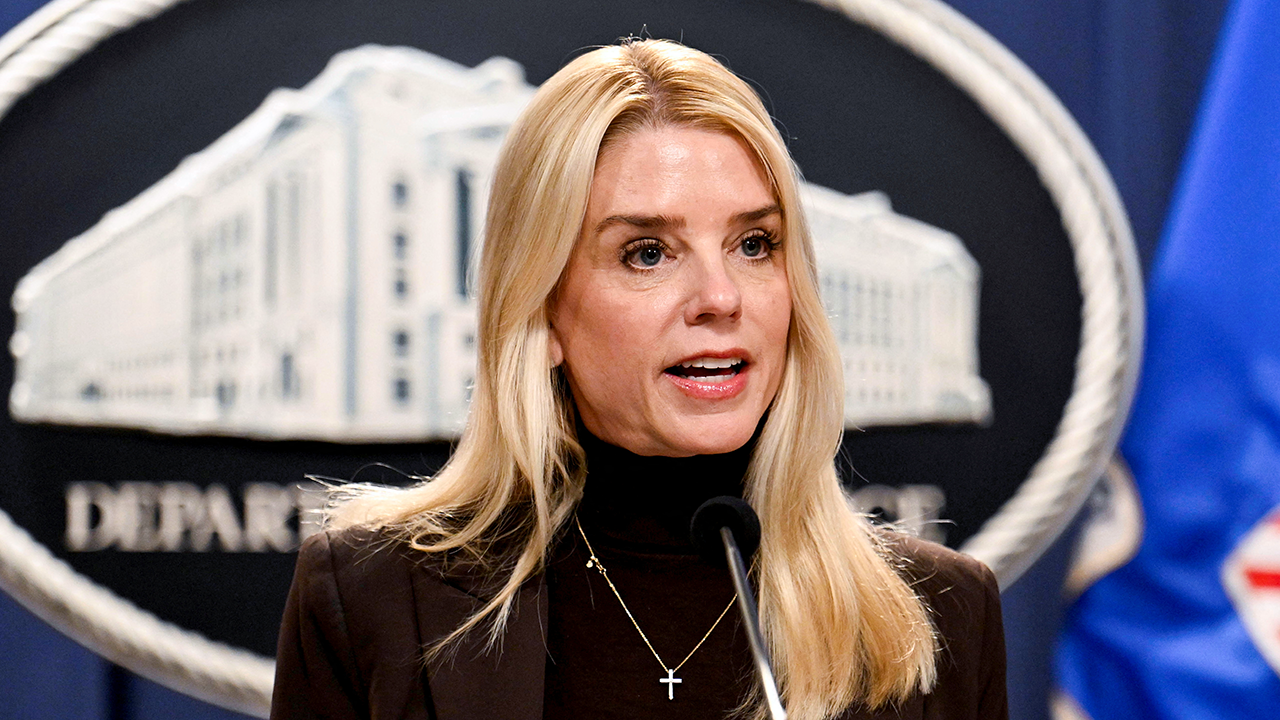
Representatives Ro Khanna, D-Calif., and Thomas Massie, R-Ky., who led the transparency bill effort, have warned they intend to pursue contempt proceedings against Attorney General Pam Bondi over the missed deadline and perceived over-redactions. Additionally, a group primarily consisting of Democratic senators has called on the DOJ Inspector General to investigate the department’s compliance with the law.
Throughout the controversy, the DOJ has maintained its position that releasing unreviewed documents would itself violate legal requirements, stating last week that it had “lawyers working around the clock to review and make the legally required redactions.”
Fact Checker
Verify the accuracy of this article using The Disinformation Commission analysis and real-time sources.

30 Comments
If AISC keeps dropping, this becomes investable for me.
Good point. Watching costs and grades closely.
Good point. Watching costs and grades closely.
Interesting update on Judge Misses Epstein Files Deadline, Highlighting Challenges of Reviewing Extensive Documents. Curious how the grades will trend next quarter.
Good point. Watching costs and grades closely.
Good point. Watching costs and grades closely.
If AISC keeps dropping, this becomes investable for me.
Good point. Watching costs and grades closely.
Nice to see insider buying—usually a good signal in this space.
Good point. Watching costs and grades closely.
Good point. Watching costs and grades closely.
Exploration results look promising, but permitting will be the key risk.
Good point. Watching costs and grades closely.
Good point. Watching costs and grades closely.
Exploration results look promising, but permitting will be the key risk.
Good point. Watching costs and grades closely.
The cost guidance is better than expected. If they deliver, the stock could rerate.
Interesting update on Judge Misses Epstein Files Deadline, Highlighting Challenges of Reviewing Extensive Documents. Curious how the grades will trend next quarter.
Silver leverage is strong here; beta cuts both ways though.
Good point. Watching costs and grades closely.
I like the balance sheet here—less leverage than peers.
I like the balance sheet here—less leverage than peers.
Good point. Watching costs and grades closely.
Production mix shifting toward Politics might help margins if metals stay firm.
Exploration results look promising, but permitting will be the key risk.
Good point. Watching costs and grades closely.
The cost guidance is better than expected. If they deliver, the stock could rerate.
I like the balance sheet here—less leverage than peers.
Good point. Watching costs and grades closely.
Good point. Watching costs and grades closely.