


Listen to the article
Iran’s Strait of Hormuz Closure Threatens Global Shadow Shipping Networks
Tehran’s decision to close the strategic Strait of Hormuz has sent shockwaves through global shipping channels, potentially disrupting the shadowy maritime networks that have allowed sanctioned nations to circumvent international restrictions. The closure threatens to increase energy costs for Russia and China, potentially squeezing Moscow’s war funding and Beijing’s industrial and military supply chains.
As of Monday, the Iranian regime declared the crucial maritime passage between Hormuz Island, Iran, and the Omani enclave of Khasab closed, threatening that vessels attempting to transit would be “torched.” The strait serves as a vital chokepoint for global energy supplies, with approximately 20% of the world’s oil passing through its waters.
Oil tanker traffic has already fallen sharply as merchant vessels fear missile strikes. The conflict has particularly affected the “shadow fleet” – unflagged or surreptitiously flagged oil tankers connected to economically isolated countries such as Cuba, Iran, and Russia.
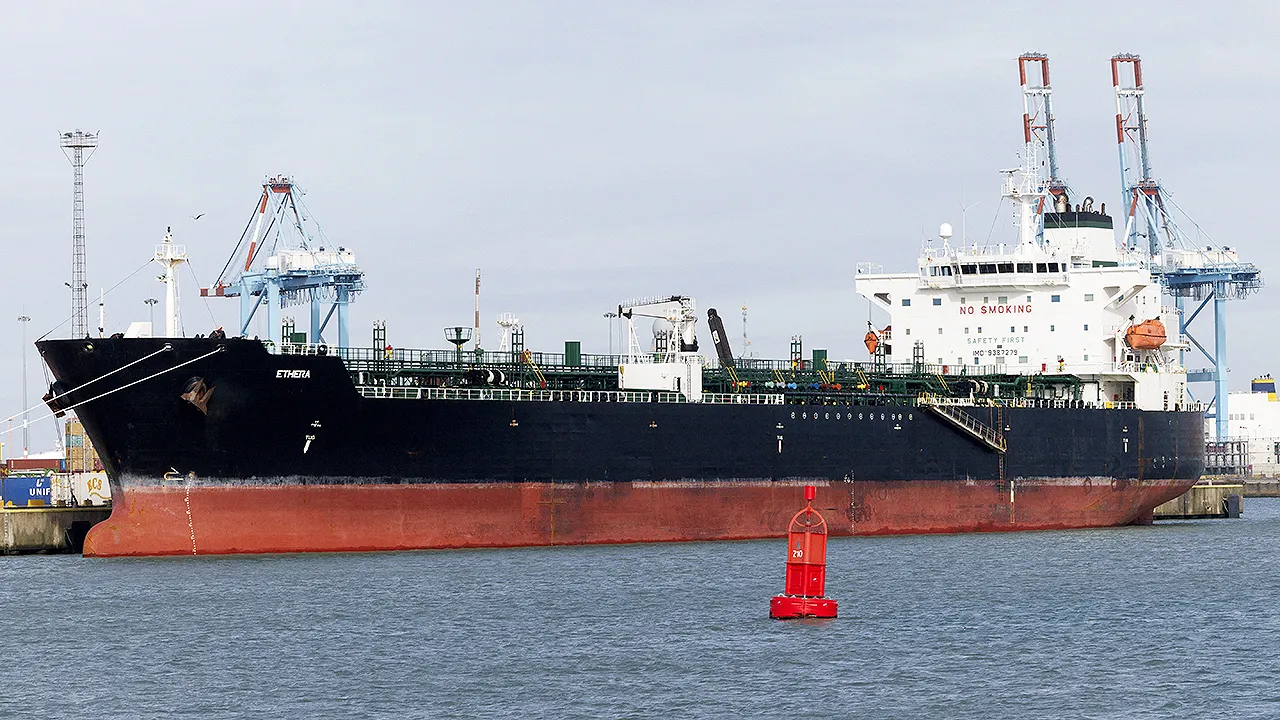
The crackdown on these shadow networks represents a significant escalation in Western powers’ efforts to enforce sanctions. Belgium’s military recently intercepted a shadow-fleet tanker, the MT Ethera, as it transited the North Sea. Belgian Defense Minister Theo Francken confirmed the vessel was redirected to Zeebrugge and would be seized by Brussels.
“Operation Blue Intruder was carried out by a team of exceptionally brave service members. Excellent work,” Francken stated, with reports indicating the ship is linked to the son of Iranian senior political adviser Ali Shamkhani, whose family reportedly controls an entire fleet of tankers facilitating Iranian and Russian oil trade.
This interdiction is part of a broader pattern of Western enforcement actions. The United States has established a naval quarantine of oil imports to Cuba, while warning countries like Mexico against sending oil to sanctioned regimes. European partners have also intensified actions against shadow fleet vessels, tightening pressure on China and particularly Russia amid the escalating regional tensions.
Western powers continue to enforce the Ural Price Cap, which was reduced to approximately $44 per barrel last month. Named for Russia’s Ural Mountains, the price cap aims to keep Russian oil below free-market rates, limiting the Kremlin’s revenue streams that fund its Ukraine war efforts.
The maritime conflict has intensified with U.S. CENTCOM posting footage of strikes on Iranian vessels. Commander Brad Cooper reported that more than 30 Tehran-linked vessels have been sunk since operations began. “In the last few hours alone, we struck an Iranian drone carrier roughly the size of a World War II-era aircraft carrier, and it is currently on fire,” Cooper stated.
For China, which reportedly relies heavily on Iran for sanctioned oil, the disruption threatens its energy security and could lead to domestic inflation. Russia faces further economic constraints that could hamper its ability to finance military operations in Ukraine.
The U.S. Treasury Department’s Office of Foreign Assets Control (OFAC) has stepped up enforcement actions, sanctioning 30 individuals or entities connected to illegal Iranian oil sales or weapons production in recent weeks. These measures are part of what officials describe as a “maximum pressure” campaign.
“Iran exploits financial systems to sell illicit oil, launder the proceeds, procure components for its nuclear and conventional weapons programs, and support its terrorist proxies,” said Treasury Secretary Scott Bessent. “Treasury will continue to put maximum pressure on Iran to target the regime’s weapons capabilities and support for terrorism, which it has prioritized over the lives of the Iranian people.”
OFAC has identified and sanctioned a dozen ships confirmed as shadow fleet vessels, flagged from countries including Panama, Barbados, Palau, Comoros, Iran, and Vanuatu. U.S. authorities found these ships transported millions of barrels of Iranian crude in recent years.
The ongoing disruption in the Persian Gulf and the targeted dismantling of shadow shipping networks mark a significant shift in the geopolitical landscape of global energy markets, with potentially far-reaching consequences for nations that have relied on these clandestine supply chains to evade international sanctions.
Fact Checker
Verify the accuracy of this article using The Disinformation Commission analysis and real-time sources.

8 Comments
I’m curious to see how Iran’s neighbors in the region, such as Oman, will respond to this closure of a critical maritime chokepoint. Their economies and security could also be significantly affected.
That’s a good observation. The regional geopolitical dynamics will be important to watch as this situation unfolds. Oman’s response in particular could be telling.
The shadowy maritime networks used to circumvent sanctions are a fascinating aspect of this story. I wonder how effective Western efforts to crack down on these ‘shadow fleets’ will be in the long run.
That’s a good point. Disrupting those illicit supply chains will be an ongoing challenge, especially with Iran’s aggressive actions potentially complicating the situation further.
This move by Iran could have far-reaching consequences for global energy markets and geopolitics. It will be interesting to see how Russia, China, and other affected parties respond to this potential disruption of oil supply routes.
You’re right, the closure of the Strait of Hormuz is a significant escalation that could drive up energy costs and squeeze the finances of nations reliant on that shipping route.
From an economic perspective, the impact on Russia’s war funding and China’s industrial supply chains could be quite severe if this disruption persists. It may force them to find alternative shipping routes, which could be costly.
This development highlights the vulnerability of global energy supply chains and the potential for disruption from geopolitical conflicts. It underscores the need for diversified and resilient energy infrastructure going forward.