


Listen to the article
Iranian Parliament Speaker Threatens “New Cards on the Battlefield” as US-Iran Ceasefire Nears Expiration
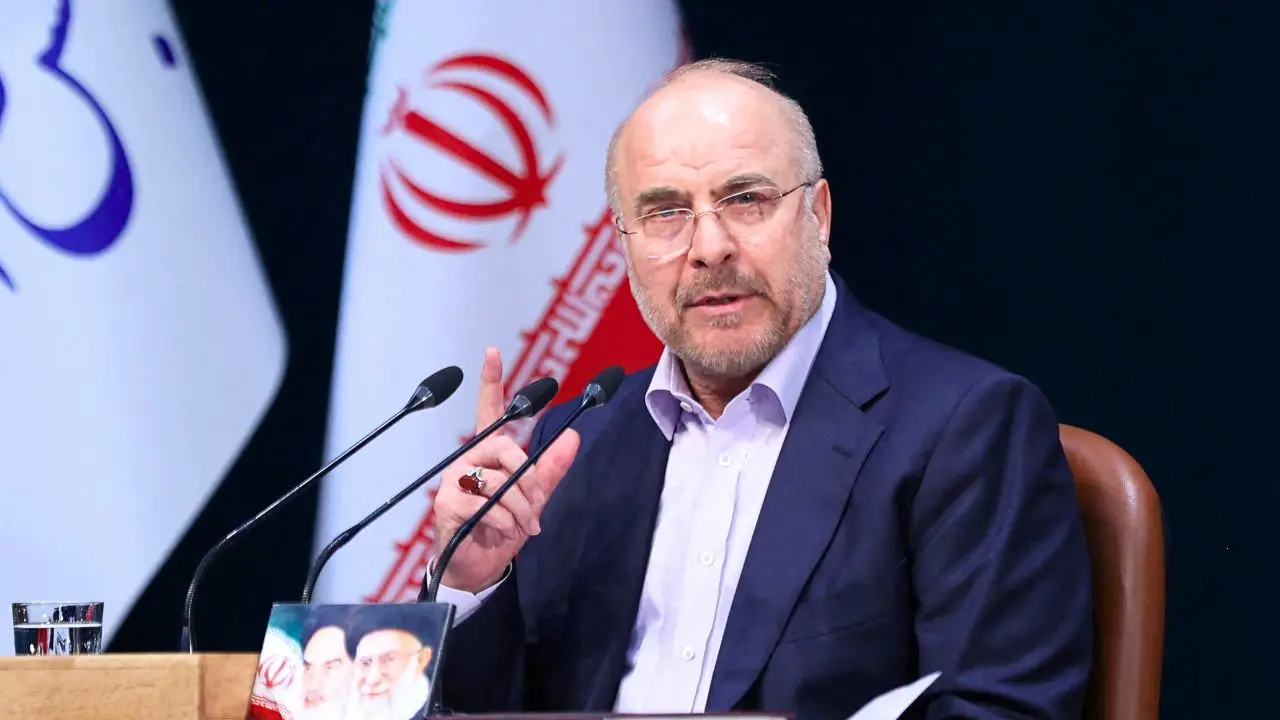
Iranian Parliament Speaker Mohammad Bagher Ghalibaf issued a stark warning Monday evening, threatening to “reveal new cards on the battlefield” just days before the temporary ceasefire between the United States and Iran is set to expire.
“Trump, by imposing a siege and violating the ceasefire, seeks to turn this negotiating table — in his own imagination — into a table of surrender or to justify renewed warmongering,” Ghalibaf wrote on social media platform X. “We do not accept negotiations under the shadow of threats, and in the past two weeks, we have prepared to reveal new cards on the battlefield.”
The two-week ceasefire, brokered by Pakistan on April 8, will expire on Wednesday, creating mounting pressure for diplomats on both sides to reach a more permanent agreement. Ghalibaf, who led the Iranian delegation during initial peace talks in Islamabad on April 11, made his comments as U.S. Vice President JD Vance is expected to arrive in Pakistan Tuesday for a second round of negotiations ahead of the deadline.
Tensions have escalated in recent days, particularly over access to the Strait of Hormuz, a critical maritime chokepoint through which approximately 20% of global oil shipments pass. Former President Trump announced Friday that the strait was “COMPLETELY OPEN” but insisted that the U.S. naval blockade would continue “until there is a ‘DEAL.'”
Iran quickly countered this claim. On Saturday, the Islamic Republic’s joint military command declared that “control of the Strait of Hormuz has returned to its previous state… under strict management and control of the armed forces,” adding that restrictions would remain in place as long as the American blockade continued. This reversal of Iran’s earlier decision to open the waterway represents a significant setback to diplomatic efforts.
The dispute over the Strait of Hormuz highlights the economic dimensions of the conflict. Any disruption to shipping in this narrow waterway between the Persian Gulf and the Gulf of Oman could send global energy prices soaring and disrupt supply chains. Analysts estimate that closure of the strait could immediately increase oil prices by $10-15 per barrel, with potential for greater increases if tensions persist.
Further complicating matters, Iranian Foreign Ministry spokesman Esmaeil Baqaei stated Monday that Iranian leadership would not participate in the Islamabad peace talks with the United States. “If the U.S. sends a team to Islamabad, that is a matter that concerns them,” Baqaei said during a press conference.
“The Islamic Republic of Iran does not accept any deadlines or ultimatums to safeguard its national interests. We have clearly stated our red lines from the beginning, and we will not change our principled positions,” he added.
This diplomatic standoff occurs against the backdrop of months of escalating tensions between the two nations. The Trump administration has maintained significant pressure on Tehran through economic sanctions and military positioning in the region. Meanwhile, Iran has sought to demonstrate its resilience and regional influence despite these pressures.
Regional security experts note that Ghalibaf’s warning about “new cards” could reference Iran’s various asymmetric capabilities, including its network of proxy militias across the Middle East, cyber warfare capabilities, or potential threats to shipping through the Persian Gulf.
With less than 48 hours remaining before the ceasefire expires, diplomatic efforts appear increasingly strained. Vice President Vance faces significant challenges in the upcoming talks, particularly given Iran’s public rejection of participation and increasingly confrontational rhetoric.
The outcome of this standoff will have far-reaching implications not only for U.S.-Iran relations but for regional stability and global energy markets. As the Wednesday deadline approaches, regional allies and international observers are closely monitoring developments, concerned about the potential for renewed military confrontation if diplomacy fails.
Fact Checker
Verify the accuracy of this article using The Disinformation Commission analysis and real-time sources.

13 Comments
The timing of this development is concerning, given the upcoming ceasefire deadline. I’ll be watching closely to see if the parties can find a way to de-escalate and keep negotiations on track.
Diplomacy is never easy, but it’s crucial in situations like this. I hope the US and Iran can find a way to extend the ceasefire and make progress towards a more comprehensive peace deal.
The timing of the VP’s visit to Pakistan is interesting. Perhaps there is an opportunity for fresh diplomatic momentum to break the current deadlock. However, the rhetoric from Iran is concerning.
Access and verification issues seem to be at the heart of the current impasse. Pragmatic solutions that address the core concerns of both sides will be crucial for a lasting agreement.
This is a delicate and high-stakes situation that requires a careful, nuanced approach from all sides. I hope the diplomats can find a way to bridge the gaps and reach an agreement that addresses the core concerns of both the US and Iran.
This is a complex and high-stakes situation. I hope the parties involved can find a way to de-escalate tensions and work towards a mutually acceptable solution through patient, good-faith negotiations.
I’m curious to see what concessions or compromises the US and Iran may be willing to make to extend the ceasefire before the deadline. Avoiding an escalation of hostilities should be the priority.
This situation seems very tense. I hope diplomats can negotiate an extension to the ceasefire and avoid renewed conflict. Escalating tensions rarely leads to positive outcomes.
Agreed. Both sides need to approach this with pragmatism and a willingness to compromise if they want a lasting peace agreement.
Ghalibaf’s comments about ‘new cards on the battlefield’ suggest Iran may be posturing for leverage in the negotiations. However, this kind of rhetoric is unlikely to foster the trust needed for a durable agreement.
The expiration of the ceasefire creates a risky situation. Both sides need to demonstrate restraint and a willingness to make concessions if they want to avoid a return to open conflict.
The Iranian parliament’s threat to reveal ‘new cards’ on the battlefield is concerning. However, I believe constructive dialogue is the best path forward to resolve this dispute diplomatically.
You raise a good point. Saber-rattling and brinkmanship rarely bring sustainable solutions. I hope cooler heads prevail and the parties can find common ground.