


Listen to the article
U.S. Seizure of Russian-Flagged Tanker Marks Rare Escalation in Sanctions Enforcement
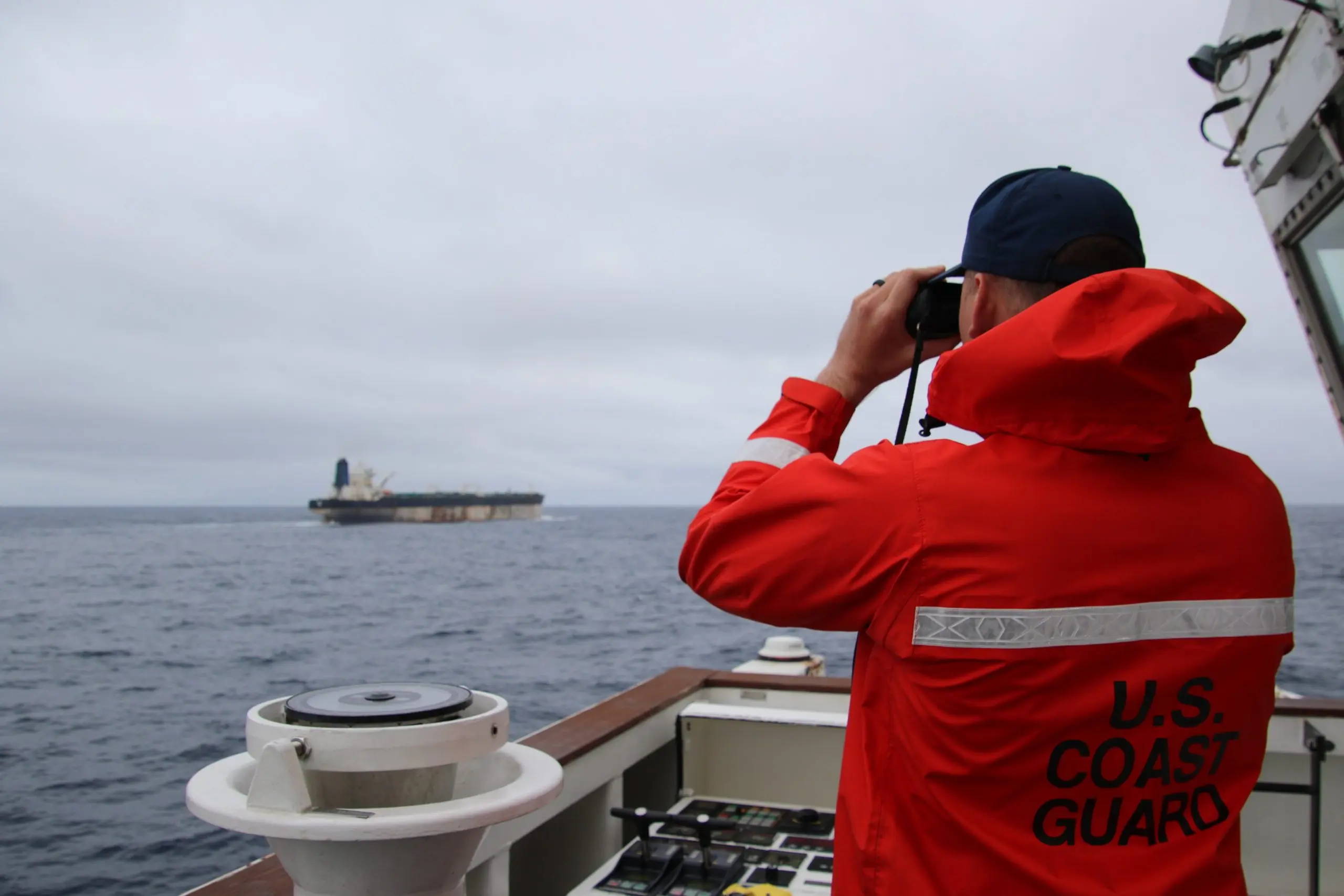
The U.S. seizure of the tanker formerly known as Bella I represents an unusual escalation in sanctions enforcement against Russia’s “dark fleet,” though security experts believe the move is unlikely to trigger a broader confrontation with Moscow in the immediate future.
The interdiction, conducted in international waters under U.S. European Command oversight, stands as one of the most direct American actions against a vessel Russia claims was operating under its flag. The operation comes at a time when the Kremlin remains heavily focused on its war in Ukraine, limiting its appetite for escalation in other regions.
“This is unique,” said Brent Sadler, senior research fellow at the Heritage Foundation. “The U.S. rarely boards foreign-flagged vessels on the high seas unless the ship’s nationality is in doubt.” According to Sadler, this case involved questions about the vessel’s registration due to rapid reflagging and a pattern of sanctions violations.
The Wall Street Journal reported that Russia dispatched a submarine to escort the tanker after the initial U.S. attempt to seize it off Venezuela, potentially risking a naval confrontation between two nuclear powers. However, analysts believe Moscow’s options for response remain limited.
“There’s really not a whole lot of cards the Russians have to play at this point,” Sadler noted, anticipating a restrained Russian reaction.
Russia has operated its “shadow fleet” of oil tankers for years, primarily to circumvent sanctions imposed following its 2022 invasion of Ukraine. Wednesday’s seizure represents one of the most aggressive U.S. enforcement actions to date against a vessel tied to this sanctions evasion network.
Peter Rough, senior fellow at the Hudson Institute, suggested the seizure reinforces that the U.S. intends to “call the shots in its own backyard” – particularly regarding Venezuela-related matters. He noted Russia’s current preoccupation with Ukraine makes meaningful engagement in Latin America challenging.
Rough also pointed out that similar actions have not triggered major escalations previously. In October, French authorities detained a Russia-linked tanker off France’s coast without sparking a crisis, though in that instance, the vessel was not flying the Russian flag.
“I’m inclined to say that Moscow’s response will consist mostly of protesting this action and lodging political and legal complaints,” Rough said. “I don’t think it will lead to a full-blown political crisis in U.S.-Russian relations.”
Moscow has accused U.S. naval forces of illegally boarding the vessel – which had been reflagged as the Merinera under temporary Russian authorization on December 24 – claiming the action violated international maritime law. U.S. officials have not yet publicly detailed their legal justification for the seizure.
John Hardie, deputy director of the Russia program at the Foundation for Defense of Democracies, echoed the assessment that this incident alone would not dramatically impact Washington-Moscow relations.
“I suspect Moscow reacted the way it did because it worries about a precedent that could lead to U.S. interdiction of tankers moving Russian oil,” Hardie explained. “That said, I don’t think the Bella incident alone will have significant impact on relations between the Trump administration and Moscow or the peace talks.”
The broader significance of this operation relates to President Trump’s more assertive stance on sanctions enforcement, which some have dubbed the “Donroe Doctrine” – a play on the 1823 Monroe Doctrine warning against European expansion into Latin America.
Mark Cancian, senior adviser with the Center for Strategic & International Studies, noted the potential wider implications if such enforcement actions become more common. With hundreds of sanctioned oil vessels operating globally – at least 100 belonging to Russia – expanded interdictions could have a “huge” impact on countries like Russia and Iran.
“The one tanker will be an annoyance to Russia, and they’ll complain,” Cancian said. “I think the bigger issue is whether we or other countries start going after other tankers with sanctioned oil.”
Fact Checker
Verify the accuracy of this article using The Disinformation Commission analysis and real-time sources.

12 Comments
The U.S. seizure of this Russian tanker is a bold move, but one that seems calculated to send a message without triggering an immediate crisis. It will be interesting to see how Russia responds, if at all, given their focus on the war in Ukraine.
The U.S. seizure of this Russian tanker is a significant escalation in the sanctions battle. It demonstrates a willingness to take bold steps to crack down on sanctions evasion, though the risk of further confrontation with Russia must be carefully managed.
This incident underscores the importance of monitoring and interdicting vessels engaged in sanctions evasion. While risky, such actions can help maintain the integrity of the sanctions regime against Russia. It will be worth following how this case develops.
This seizure of a Russian-flagged tanker is a bold move by the U.S., but one that may pay dividends in terms of disrupting Russia’s ability to evade sanctions. It will be interesting to see if this sets a precedent for more such interdictions.
Sanctions enforcement is a key part of the West’s strategy to pressure Russia over the Ukraine invasion. This tanker seizure suggests the U.S. is willing to take more assertive steps, even in international waters, to uphold the sanctions regime.
Intriguing to see the U.S. taking such direct action against this ‘dark fleet’ vessel. It signals a more assertive enforcement of sanctions against Russia, though likely with caution to avoid escalation. Curious to see if this leads to more such interdictions.
Yes, the U.S. seems to be sending a strong message here. Seizing a Russian-flagged tanker on the high seas is quite unusual and shows they’re serious about cracking down on sanctions evasion.
The maritime battle over ‘dark fleet’ vessels highlights the cat-and-mouse game between the U.S. and Russia when it comes to sanctions enforcement. It’s a complex geopolitical dance that requires careful maneuvering by all sides.
Sanctions enforcement is crucial to maintaining pressure on Russia, and the U.S. appears to be stepping up its game when it comes to targeting ‘dark fleet’ vessels. This incident shows they’re willing to take direct action, even in international waters.
This maritime battle over ‘dark fleet’ vessels highlights the complex web of sanctions and counter-measures between the U.S. and Russia. It’s a delicate situation that requires careful navigation to avoid further escalation.
Absolutely. The U.S. has to walk a fine line here, using targeted enforcement to uphold sanctions without provoking a broader confrontation with Russia.
This is a fascinating development in the ongoing maritime struggle over sanctions enforcement against Russia. The U.S. is clearly willing to take more aggressive action, but the long-term implications and Russia’s potential response will be important to follow.