


Listen to the article
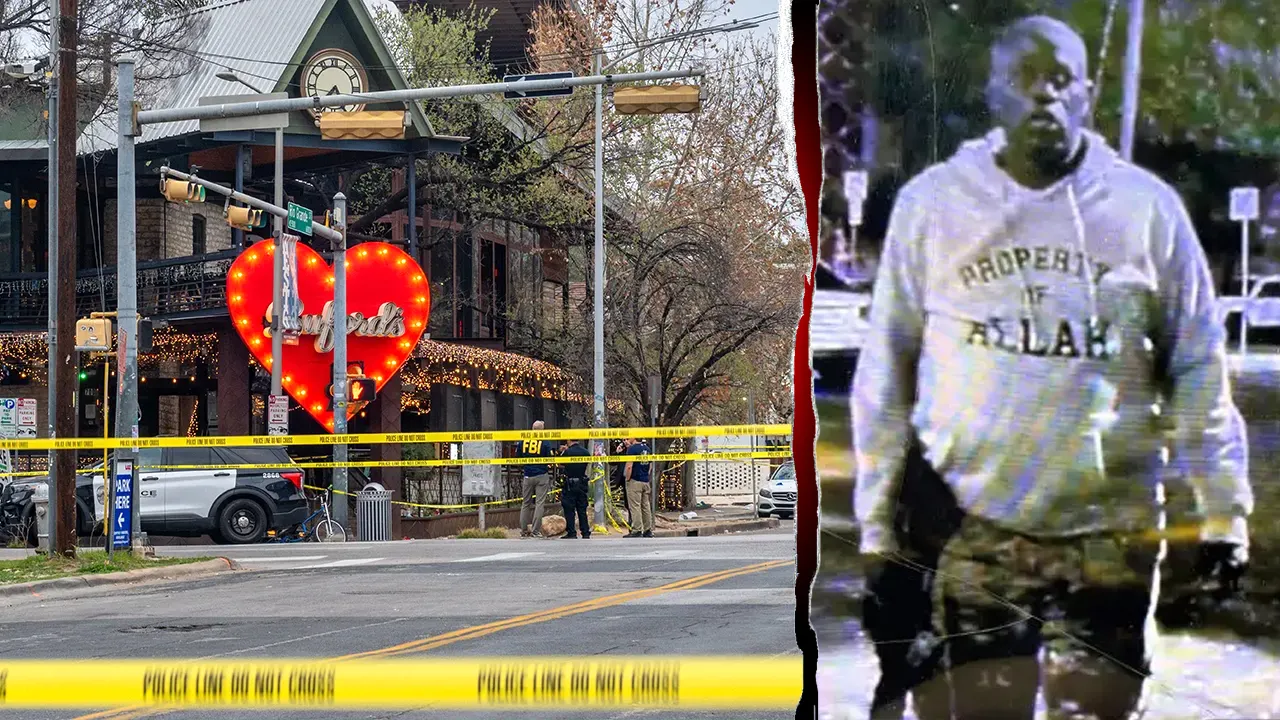
A deadly shooting in Austin, Texas over the weekend has intensified concerns about potential Islamic extremism in the state, as investigators probe the incident as a possible act of terrorism. The attack, which left three innocent people dead, has sparked widespread debate about radicalization risks and national security.
The shooter, identified as Ndiaga Diagne, was a 53-year-old naturalized U.S. citizen originally from Senegal who had been living in Pflugerville, Texas since entering the country in 2000. According to authorities, Diagne wore a shirt declaring “Property of Allah” during the attack, with another shirt underneath displaying the Iranian flag. The FBI has stated the shooting is “potentially an act of terrorism,” occurring shortly after U.S. and Israeli strikes against Iran.
Reports from CBS News regarding Diagne’s social media activity have further fueled speculation about his ideological motivations. The timing of the attack has raised questions about possible connections to recent U.S. military actions against Iran, with some officials expressing concern about potential “sleeper cells” activating within the United States.
“Texas is currently under siege by Islamists who want to reshape our state and America as a whole,” said Republican Congressman Chip Roy, who is running for attorney general in Texas. “The tragic shooting over the weekend in my home of Austin, Texas, is another example of why we need to pause immigration until the system is fixed.”
Social media has been flooded with concerns about the growth of Islamic institutions in Texas, with one conservative account noting there are “330 mosques in Texas… and an average of 2 new ones per month.” A former Austin police officer told Fox News Digital, “These mosques are popping up all over the place. I have no doubt in my mind that there’s radicalization going on in these mosques.”
The Middle East Media Research Institute (MEMRI) has documented what it describes as concerning rhetoric in some Texas religious institutions. The organization has published videos of what it characterizes as extremist sermons from various cities across the state, showing some imams allegedly praising Iranian leadership, leading anti-Israel chants, and promoting hardline ideologies.
“There is a great deal of troubling activity from many influence groups, including the Muslim Brotherhood, pro-Hamas organizations, and Shi’ite organizations, who express open support for Iran and have pledged allegiance to Khamenei,” said MEMRI Executive Director Steven Stalinsky.
This incident follows another high-profile attack by Shamsud-Din Jabbar, who drove a truck into a crowd of New Year’s revelers in New Orleans last year, killing 14 and injuring more than 30. Jabbar was born and raised in Beaumont, Texas, and had been living near a mosque in Houston prior to the attack.
Policy experts see these incidents as potentially connected to broader geopolitical tensions. “What we’re seeing is years of deliberate investment by the Islamic Republic inside the United States,” said Andrew Ghalili, policy director at the National Union for Democracy in Iran. “This is happening on American soil, and it’s just another way in which the regime poses a direct threat to the United States.”
Texas Governor Greg Abbott has emphasized the seriousness of these concerns, telling Fox Business that the Austin shooting was tied to terrorism. “There are other details that will be coming out about the shooter and his connections to terrorism that will make clear this was a lone wolf activity where this shooter intended to wreak havoc here in Texas, here in the United States, because of his ties and sympathies with Iran,” Abbott said.
The governor’s office stated that “Texas will never tolerate ideologies that support terrorism or seek to impose Sharia law” and has “surged” anti-terrorism task forces while “working with federal partners to disrupt and eliminate any potential threat.”
The situation has also raised concerns about border security, with reports that more than 1,500 Iranian nationals who illegally entered the U.S. at the southern border were arrested during the Biden administration, with nearly half subsequently released.
As investigations continue, the incident has sparked renewed debate about immigration policy, religious extremism, and the challenges of balancing security concerns with constitutional freedoms in an increasingly polarized political environment.
Fact Checker
Verify the accuracy of this article using The Disinformation Commission analysis and real-time sources.

6 Comments
This is a concerning development, but we need to be careful about rushing to conclusions. Radicalization is a complex issue and we should wait for the full investigation before drawing any firm conclusions.
Agreed, we should avoid speculation and sensationalism. The authorities will need to thoroughly examine the evidence before making any determinations about the shooter’s motivations.
While any loss of life is tragic, we should avoid inflaming tensions or promoting fear-mongering narratives. The facts will emerge, and we must respond with reason and compassion, not reactionary politics.
Well said. Maintaining social cohesion and upholding democratic values is crucial, even in the face of disturbing incidents. Cooler heads and impartial analysis will be needed.
This is a complex issue that deserves careful, fact-based examination. We should be wary of making sweeping generalizations or scapegoating entire communities. Nuance and due process are essential.
Agreed. Rushing to judgment or fanning the flames of division will only make the situation worse. We need a measured, evidence-based approach to understand what happened and respond appropriately.