


Listen to the article
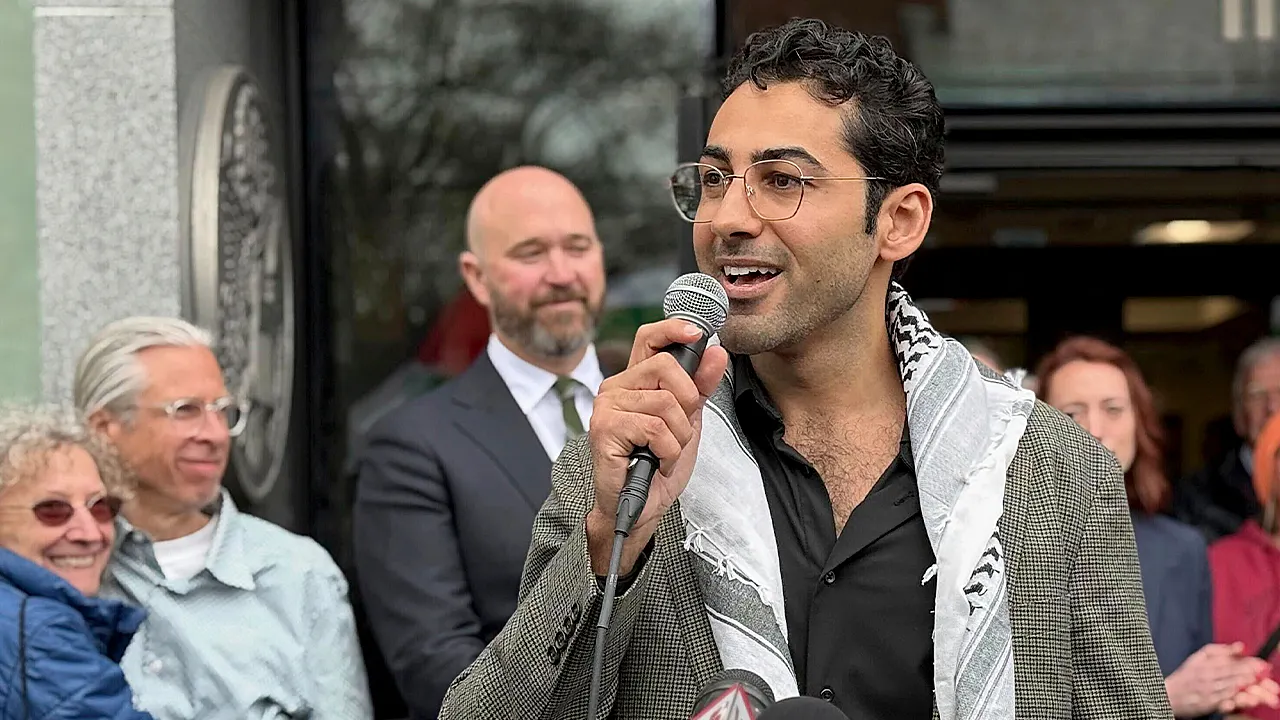
A federal judge has blocked the deportation of Mohsen Mahdawi, a pro-Palestinian protest leader who organized demonstrations at Columbia University, dealing a significant setback to the Trump administration’s immigration enforcement efforts.
Judge Nina Froes terminated the case after ruling that federal authorities failed to properly certify a key document they attempted to submit as evidence. The document reportedly referenced Secretary of State Marco Rubio’s position that non-citizens could be expelled if their presence undermines U.S. foreign policy interests.
“I am grateful to the court for honoring the rule of law and holding the line against the government’s attempts to trample on due process,” Mahdawi said in a statement. “This decision is an important step towards upholding what fear tried to destroy: the right to speak for peace and justice.”
Department of Homeland Security spokeswoman Tricia McLaughlin expressed strong disagreement with the ruling, indicating the administration would continue pursuing Mahdawi’s removal. “No activist judge, not this one or any other, is going to stop us from doing that,” she stated.
The case highlights the ongoing tensions between the Trump administration’s hardline immigration policies and judicial oversight. Mahdawi, 34, had been detained in April 2025 during a citizenship appointment in Vermont and spent more than two weeks in custody before being released on bail after filing a habeas corpus petition.
Court documents reveal that Mahdawi co-founded the Palestinian Student Union at Columbia University following the October 7, 2023, Hamas attack on Israel. This organization played a significant role in campus protests that drew national attention amid heated debates about free speech, academic freedom, and allegations of antisemitism on college campuses.
The Trump administration’s deportation case against Mahdawi also involved allegations dating back to 2015, when he was interviewed by the FBI after reportedly making antisemitic remarks at a Vermont gun store and firearms museum. According to court filings previously reported by Fox News Digital, a store owner claimed Mahdawi had expressed interest in purchasing firearms, including sniper rifles and automatic weapons, and allegedly claimed experience with modified weapons “to kill Jews while he was in Palestine.”
This case occurs against the backdrop of broader immigration enforcement actions by the Trump administration targeting those involved in pro-Palestinian activism. Civil liberties advocates have raised concerns about potential First Amendment implications, arguing that targeting non-citizens for their political expression could have a chilling effect on legitimate protest activities.
The ruling also follows a pattern of judicial interventions in immigration enforcement actions, with several federal judges limiting or blocking administration policies they found procedurally improper or constitutionally questionable.
Legal experts note that while the decision hinged on a procedural error—specifically the government’s failure to properly certify evidence—it reflects the importance of adhering to established legal processes even in politically charged cases.
Immigration policy remains one of the most contentious areas of the Trump administration’s agenda, with officials frequently criticizing what they characterize as “activist judges” interfering with national security priorities. Critics counter that judicial review is essential to ensuring that enforcement actions comply with constitutional protections and statutory requirements.
For now, Mahdawi remains in the United States under the court’s protection, though the administration has signaled its intention to continue pursuing his removal through other legal channels.
The case underscores the complex intersection of immigration enforcement, free speech concerns, and allegations of extremism that have characterized many of the debates surrounding pro-Palestinian activism in the United States since the outbreak of the Israel-Hamas conflict.
Fact Checker
Verify the accuracy of this article using The Disinformation Commission analysis and real-time sources.

7 Comments
While I respect the judge’s ruling, I’m curious to hear more details on the specific document the government failed to properly certify. That seems like a potentially important procedural detail that could impact the final outcome.
This case highlights the ongoing tensions around immigration and national security. It will be important to follow how the administration responds and whether they can provide the proper evidence to support Mahdawi’s deportation.
The decision to block Mahdawi’s deportation appears to be a win for due process and the rule of law. However, the administration’s stance suggests this issue is far from settled.
Absolutely. This is likely just the beginning of a protracted legal battle over the limits of immigration enforcement and free speech rights.
The right to peacefully protest and advocate for causes is a fundamental freedom. While immigration enforcement is important, it shouldn’t come at the expense of civil liberties. This judge’s ruling seems to uphold those principles.
I agree. Activists shouldn’t be targeted for deportation just for exercising their right to free speech, even on controversial issues like the Israel-Palestine conflict.
This is an interesting case that touches on the delicate balance between free speech, immigration policy, and geopolitics. I’m curious to see how this plays out and whether the administration will appeal the judge’s decision.