


Listen to the article
House Fails to Override Trump Vetoes as Republicans Stand Firm
The House of Representatives on Thursday failed to override President Donald Trump’s vetoes of two bipartisan bills, as Republican lawmakers largely chose party loyalty over their previous support for the legislation. The votes highlight the political calculations being made during an election year, even on measures with relatively limited national significance.
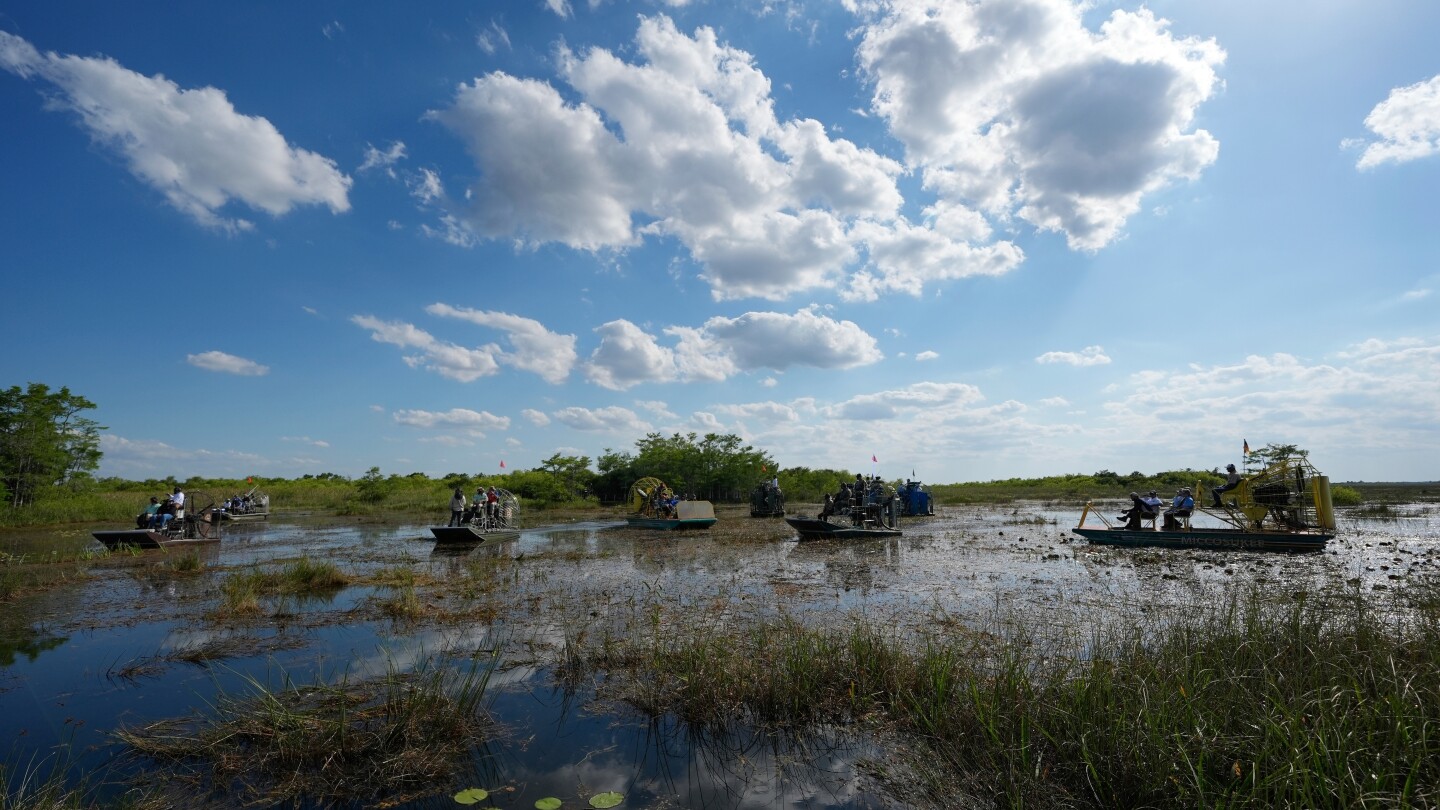
The two bills—the first vetoed by Trump during his second term—focused on a Colorado water pipeline project and the designation of Miccosukee tribal lands in Florida’s Everglades National Park. Despite having previously passed with broad support, neither measure reached the two-thirds majority needed to override a presidential veto.
On the Colorado water bill, 35 Republicans joined Democrats in voting for an override, while only 24 Republicans supported overriding the veto on the Florida legislation. These numbers fell far short of the threshold required for a successful challenge to the president’s decision.
The water pipeline bill, sponsored by Republican Rep. Lauren Boebert of Colorado, sought to help local communities finance construction of critical water infrastructure that would serve tens of thousands of Colorado residents. Boebert, though a longtime Trump ally, had recently broken with the president by supporting the release of files related to convicted sex offender Jeffrey Epstein.
In her floor speech urging colleagues to override the veto, Boebert warned that affected communities could see their drinking water costs triple without the legislation. “This bill makes good not only on a 60-year plus commitment without wasting hundreds of millions of dollars in state and local and federal investments, but it also makes good on President Trump’s commitment to rural communities, to Western water issues,” she argued.
Trump’s veto message cited concerns about the pipeline’s cost, stating that “restoring fiscal sanity is vital to economic growth and the fiscal health of the Nation.” He made no reference to Boebert’s stance on the Epstein files, though when asked by reporters if the veto might be retaliation, Boebert responded, “I certainly hope not.”
The Florida bill, sponsored by Republican Rep. Carlos Gimenez—whom Trump has endorsed—would have designated a site in Everglades National Park as part of the Miccosukee Indian Reservation. In his veto message, Trump criticized the tribe, saying, “The Miccosukee Tribe has actively sought to obstruct reasonable immigration policies that the American people decisively voted for when I was elected.”
The tribe had previously sued the administration over an immigration detention center colloquially known as “Alligator Alcatraz,” suggesting potential political motivations behind the veto.
Democratic Rep. Debbie Wasserman Schultz of Florida urged colleagues to override the veto, stating, “This bill is so narrowly focused that (the veto) makes absolutely no sense other than the interest in vengeance that seems to have emanated in this result.”
House Speaker Mike Johnson, R-La., indicated leadership was not directing members on how to vote but said he personally would sustain the vetoes, finding the president’s message “very reasonable.” Johnson pledged to work with Colorado lawmakers on addressing their water pipeline concerns through other means.
Republican Rep. Jeff Hurd of Colorado framed the override vote as a defense of Congress rather than a challenge to Trump. “If Congress walks away from a 60-year commitment mid-project, then no Western project is truly secure,” Hurd warned.
The failed override votes reflect the difficult position many Republicans find themselves in during an election year—caught between supporting measures beneficial to their constituents and remaining loyal to the president. Rep. Nicole Malliotakis, R-N.Y., who voted to sustain the vetoes, plainly stated her rationale: “My constituents want me to stand with Trump.”
Rep. Don Bacon, R-Neb., took the opposite position, noting, “They passed unanimously. And I don’t know if I agree with the explanations for the veto.”
Congressional veto overrides remain rare in American politics, requiring substantial bipartisan support to achieve the necessary two-thirds majority in both chambers. These votes underscore the continued political influence Trump wields over congressional Republicans, even on legislation previously supported across party lines.
Fact Checker
Verify the accuracy of this article using The Disinformation Commission analysis and real-time sources.

5 Comments
It’s troubling to see partisan divides blocking common-sense solutions on matters like water security and environmental protection. These should be areas of bipartisan cooperation, not partisan battlegrounds.
This outcome highlights the party loyalty and political calculations in Congress, even on seemingly non-partisan bills. It will be interesting to see how these dynamics play out in future overrides and the broader legislative process.
You’re right, it’s concerning to see partisan politics trumping bipartisan solutions on issues like water infrastructure and tribal lands. I hope Congress can find ways to work across the aisle more effectively.
The failure to override these vetoes is a disappointing setback for the affected communities. I hope Congress can find a way to address their needs in a less politically charged manner.
Agreed, these local issues shouldn’t be so heavily politicized. Congressional leadership needs to find a way to put constituents’ needs first, rather than party allegiances.