


Listen to the article
House Passes Bill to Restore Affordable Care Act Subsidies in Rare Bipartisan Move
In a significant rebuke to Republican leadership, the House passed legislation Thursday with a 230-196 vote to extend expired health care subsidies for Americans covered through the Affordable Care Act. The remarkable vote saw 17 Republican lawmakers join every Democrat in support of the measure, creating an unusual cross-party coalition.
The legislation aims to restore enhanced tax credits that were implemented during the COVID-19 pandemic but expired at the end of last year when lawmakers failed to reach an agreement during the government shutdown. The bill now moves to the Senate, where pressure is building for a bipartisan compromise.
Four GOP centrists—Representatives Brian Fitzpatrick, Robert Bresnahan and Ryan Mackenzie of Pennsylvania, and Mike Lawler of New York—defied House Speaker Mike Johnson by signing a “discharge petition” with Democrats to force the vote. All four represent key swing districts that could determine control of the House after the fall elections.
The expiration of these subsidies has had immediate financial consequences for millions of Americans. According to the health care research nonprofit KFF, previously subsidized enrollees have seen their annual health insurance fees increase by an average of 114% this year. Some individuals interviewed by the Associated Press reported even more dramatic increases—in one case, from $85 to nearly $750 per month.
Approximately 24 million Americans enrolled in ACA health insurance plans in 2025, with 92% of them benefiting from the enhanced subsidies before they expired on January 1, according to data from the Centers for Medicare and Medicaid Services.
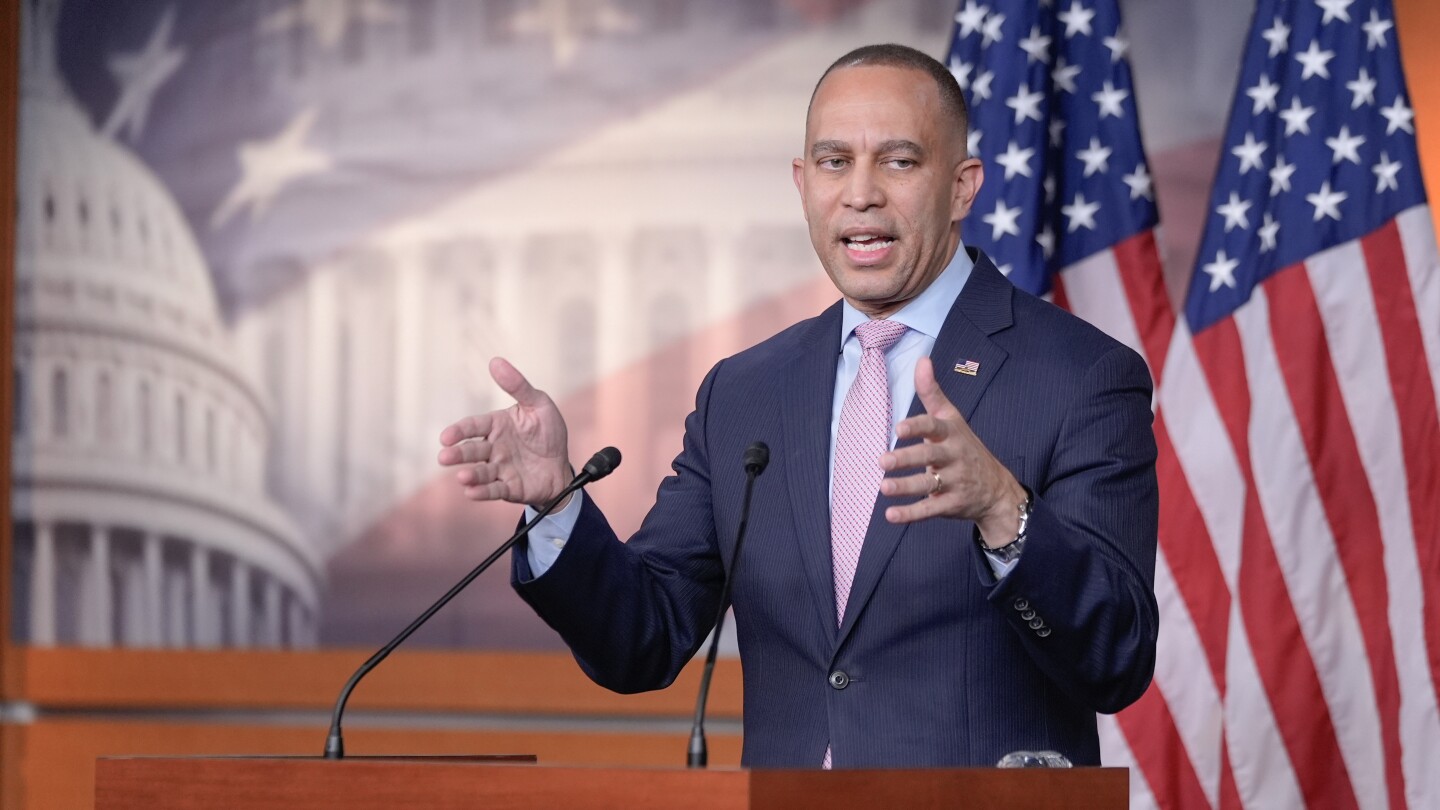
“The affordability crisis is not a ‘hoax,’ it is very real—despite what Donald Trump has had to say,” declared House Democratic Leader Hakeem Jeffries after the vote. “Democrats made clear before the government was shut down that we were in this affordability fight until we win this affordability fight.”
The nonpartisan Congressional Budget Office estimates that the three-year extension of subsidies would increase the nation’s deficit by about $80.6 billion over the next decade. However, the CBO also projects the legislation would increase the number of Americans with health insurance by 100,000 this year, growing to 3 million in 2027 and 4 million in 2028.
Republican leadership strongly opposed the measure. Speaker Johnson’s office argued that COVID-era health care funding has been plagued by fraud and urged lawmakers to vote against the bill. On the House floor, Republicans contended that Congress should focus on lowering insurance costs for all Americans, not just ACA enrollees.
“Only 7% of the population relies on Obamacare marketplace plans. This chamber should be about helping 100% of Americans,” said Representative Jason Smith, the Republican chairman of the House Ways and Means Committee.
In the Senate, Majority Leader John Thune has indicated that any plan to extend subsidies would need income limits to target those most in need, requirements that beneficiaries pay at least nominal amounts for coverage, and expansion of health savings accounts.
A bipartisan group of senators, including Democrat Jeanne Shaheen of New Hampshire, has been negotiating on potential reforms. “We recognize that we have millions of people in this country who are going to lose—are losing, have lost—their health insurance because they can’t afford the premiums,” Shaheen said. “We’re trying to see if we can’t get to some agreement that’s going to help, and the sooner we can do that, the better.”
Former President Donald Trump has encouraged Republicans to take control of the health care debate—an issue that proved challenging during his first term when efforts to repeal Obamacare failed. Trump has suggested sending money directly to Americans for health savings accounts so they can handle insurance independently, an approach Democrats largely reject as insufficient for covering high health care costs.
Democrats are making it clear that rising health insurance costs will be a centerpiece of their campaign to retake the House and Senate majorities in November’s elections.
The House vote represents a culmination of Democratic efforts that began during last fall’s 43-day government shutdown when they tried unsuccessfully to force action on the subsidies. After the shutdown, Johnson discussed allowing vulnerable GOP lawmakers to vote on a temporary subsidy extension with reforms, but ultimately sided with conservatives who view the ACA subsidies as propping up a failed government program.
For millions of Americans facing soaring premiums, the outcome of this legislative process will determine whether they can maintain affordable health coverage in the months and years ahead.
Fact Checker
Verify the accuracy of this article using The Disinformation Commission analysis and real-time sources.

16 Comments
Restoring the enhanced tax credits for ACA coverage is a smart move, given the potential financial burden on millions of Americans if the subsidies had expired. It’s encouraging to see lawmakers put people over party in this case.
The fact that Republican representatives from swing districts joined Democrats on this vote suggests there may be bipartisan support to address healthcare affordability issues ahead of the midterms.
This bipartisan vote is a welcome departure from the partisan gridlock we often see in Congress. While healthcare policy remains a divisive topic, it’s good to see lawmakers put the needs of their constituents first in this case.
It will be interesting to see if this momentum carries over to the Senate negotiations. Maintaining the ACA subsidies is crucial for millions of Americans, and I hope lawmakers can find a way to make it happen.
This is an interesting bipartisan move to extend healthcare subsidies. While the partisan divide often dominates the headlines, it’s good to see lawmakers from both sides come together on issues that impact Americans’ access to affordable coverage.
Maintaining the ACA subsidies is crucial, especially given the ongoing economic challenges many families are facing. This vote suggests there may be room for compromise on healthcare policy.
This bipartisan vote in the House to extend the ACA subsidies is a positive step, especially given the partisan gridlock we often see in Congress. It shows that lawmakers can sometimes put people over politics, which is crucial for addressing issues that impact Americans’ lives.
With the midterms approaching, maintaining affordable healthcare coverage could be a key issue for many voters. This bipartisan effort suggests there may be room for compromise, which would be welcome news for the millions of Americans who rely on the ACA subsidies.
The House’s move to extend the healthcare subsidies, despite opposition from GOP leaders, shows the power of bipartisanship to address real-world issues that impact people’s lives. It’s a refreshing change from the usual partisan bickering.
With the midterm elections looming, this vote could resonate with voters who are looking for lawmakers willing to work together on important issues like healthcare affordability. It’s a positive sign for the political process.
This vote highlights the importance of healthcare access and affordability, especially as economic pressures continue to impact household budgets. It will be interesting to see if the Senate can also find common ground on this issue.
With the midterm elections coming up, maintaining the ACA subsidies could be a key voting issue for many Americans. This bipartisan effort suggests an opportunity to find pragmatic solutions on healthcare policy.
Kudos to the Republican representatives who broke ranks to support extending the healthcare subsidies. It’s a reminder that sometimes the best solutions come when lawmakers are willing to work across the aisle, even on contentious issues like healthcare.
I’m hopeful the Senate will also recognize the importance of preserving these ACA subsidies. Ensuring access to affordable coverage should be a priority, regardless of political affiliation.
It’s encouraging to see representatives from both parties come together to support extending the ACA subsidies. Healthcare access and affordability are critical issues, and this bipartisan effort suggests a path forward, even on polarizing topics.
The fact that this vote crossed party lines, including support from GOP members in swing districts, indicates the public pressure to address healthcare costs. I hope the Senate can build on this momentum and find a lasting solution.