


Listen to the article
In a dramatic turn of events, U.S. forces have captured Venezuelan leader Nicolás Maduro following surprise military strikes in Venezuela late Saturday night, sparking diverse reactions across the American political landscape.
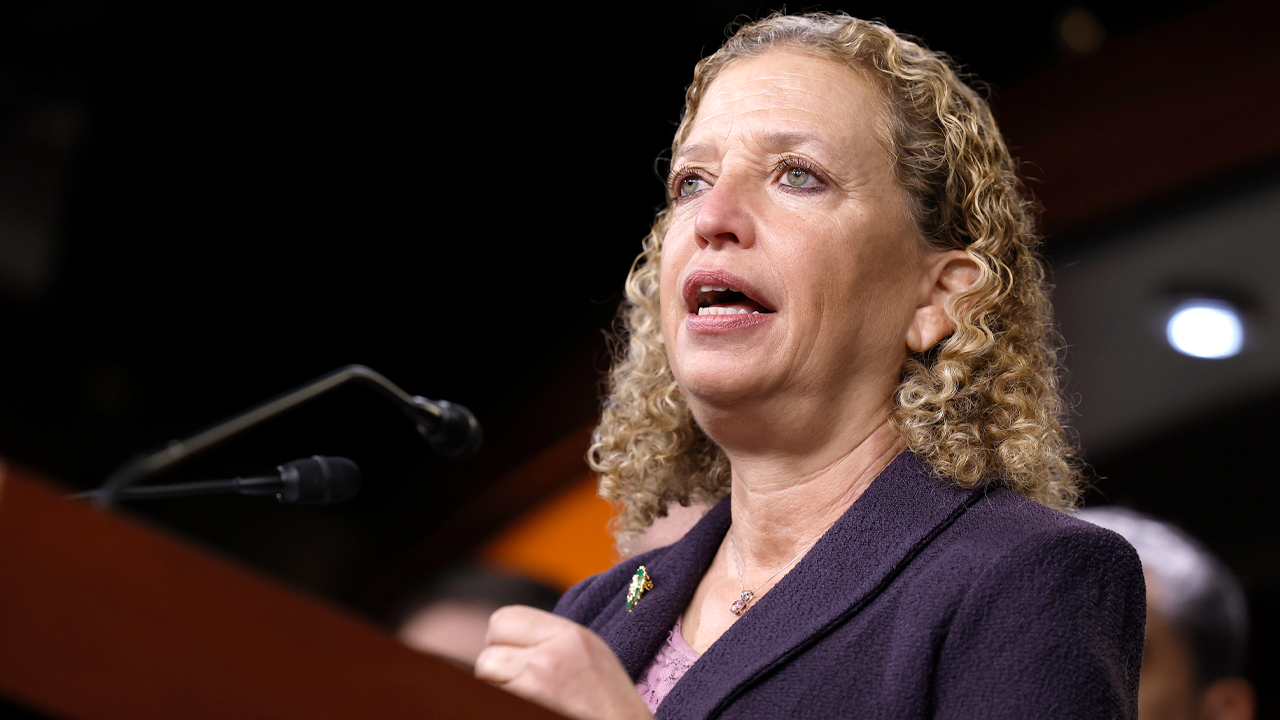
Florida Democratic Representative Debbie Wasserman Schultz offered rare praise from the left for President Donald Trump’s action, calling Maduro’s capture “welcome news” for her constituents who fled Venezuela’s repressive regime.
“The capture of the brutal, illegitimate ruler of Venezuela, Nicolás Maduro, who oppressed Venezuela’s people is welcome news for my friends and neighbors who fled his violent, lawless, and disastrous rule,” Wasserman Schultz wrote on social media.
The Florida congresswoman’s support is particularly notable given her state’s large Venezuelan refugee population. South Florida has become home to thousands who fled Maduro’s authoritarian government, which has overseen economic collapse, humanitarian crises, and widespread human rights abuses during his decade in power.
Despite her support for removing Maduro, Wasserman Schultz criticized the administration’s failure to notify Congress before the operation. “I’ll demand answers as to why Congress and the American people were bypassed in this effort,” she stated, adding that congressional hearings should be held regarding the military action.
Her position stands in stark contrast to most Democratic lawmakers, who condemned the operation as an illegal military intervention. Many focused their criticism on constitutional concerns, arguing the administration lacked congressional approval for what they characterized as an act of war.
Representative Yvette Clarke of New York was particularly pointed, calling the operation “unconstitutional, un-American, and a direct threat to our democracy.” Similarly, Arizona Senator Ruben Gallego, an Iraq War veteran, stated, “There is no justification for the United States to be at war with Venezuela,” drawing parallels to past military conflicts.
Other Democrats expressed varying degrees of criticism. Virginia Representative Eugene Vindman, also a military veteran, warned that “wars are easy to start and hard to finish,” while Michigan Representative Rashida Tlaib described the action as “illegal and unprovoked” and “violations of international law and the U.S. Constitution.”
Some lawmakers took a more measured approach, primarily calling for transparency and information. New York Representative Adriano Espaillat, while opposing Maduro’s “illegitimate regime,” emphasized that “Congress must be fully informed before the U.S. engages in hostilities towards another nation.”
President Trump announced the operation on his Truth Social platform, stating that U.S. forces had “successfully carried out a large-scale strike against Venezuela.” Attorney General Pam Bondi later confirmed that both Maduro and his wife were indicted in the Southern District of New York after being captured and flown out of the country.
The military action comes at a pivotal moment for Venezuela, which has been embroiled in political turmoil since Maduro’s disputed 2018 re-election. Many nations, including the United States, recognize opposition leader Edmundo González as Venezuela’s legitimate president following contested elections.
Wasserman Schultz highlighted this point in her statement, expressing hope that Maduro’s removal “offers beleaguered Venezuelans a chance to seat their true, democratically elected president, Edmundo González.”
The operation marks a significant escalation in U.S. policy toward Venezuela after years of diplomatic pressure, economic sanctions, and international isolation of the Maduro government. The long-term implications for U.S.-Venezuela relations, regional stability, and the Venezuelan people remain uncertain as this dramatic situation continues to unfold.
Fact Checker
Verify the accuracy of this article using The Disinformation Commission analysis and real-time sources.

12 Comments
The capture of Maduro is a significant development, but I share Wasserman Schultz’s concerns about the lack of Congressional oversight. Any actions against foreign leaders must be carefully considered to uphold democratic principles.
Well said. Transparency and accountability are crucial, even in dealing with repressive regimes. Maduro’s crimes don’t justify circumventing established processes.
While Maduro’s regime has caused immense harm, the legality of his capture raises important questions. Upholding the rule of law and due process should be paramount, even for repressive leaders.
Well said. The ends don’t always justify the means, especially when it comes to the delicate matters of national sovereignty and international relations. A measured, principled approach is crucial.
This is a complex geopolitical situation with no easy answers. While Maduro’s rule has been disastrous for Venezuela, we must ensure any actions to remove him are legal and minimize harm to civilians.
Absolutely. The priority should be restoring stability and democracy in Venezuela, not scoring political points. A thoughtful, multilateral approach is needed to chart the best path forward.
Capturing Maduro is a complex issue. While he has caused immense suffering in Venezuela, the legality of the operation is concerning. We need a measured, diplomatic approach to resolve the crisis and protect human rights.
I agree, the human rights situation in Venezuela is dire but extralegal actions could set a dangerous precedent. Careful diplomacy and respect for the rule of law should guide the response.
The capture of Maduro is a major development, but the legality and long-term implications need careful examination. We must ensure any actions align with international law and democratic values.
This is a complex geopolitical issue with no easy answers. Wasserman Schultz’s nuanced stance, acknowledging both the gravity of Maduro’s crimes and the need for legal scrutiny, is commendable.
Kudos to Wasserman Schultz for speaking up, even as a Democrat, about the importance of Congressional oversight on foreign policy actions. Upholding the rule of law must be a bipartisan commitment.
Agreed. It’s refreshing to see principled stances that transcend party lines on critical issues of national security and human rights. Nuance and pragmatism are sorely needed in these debates.