


Listen to the article
Federal authorities launched a major fraud investigation in Minneapolis on Monday, expanding their efforts to uncover what officials describe as widespread misuse of government funds in Minnesota’s public assistance programs.
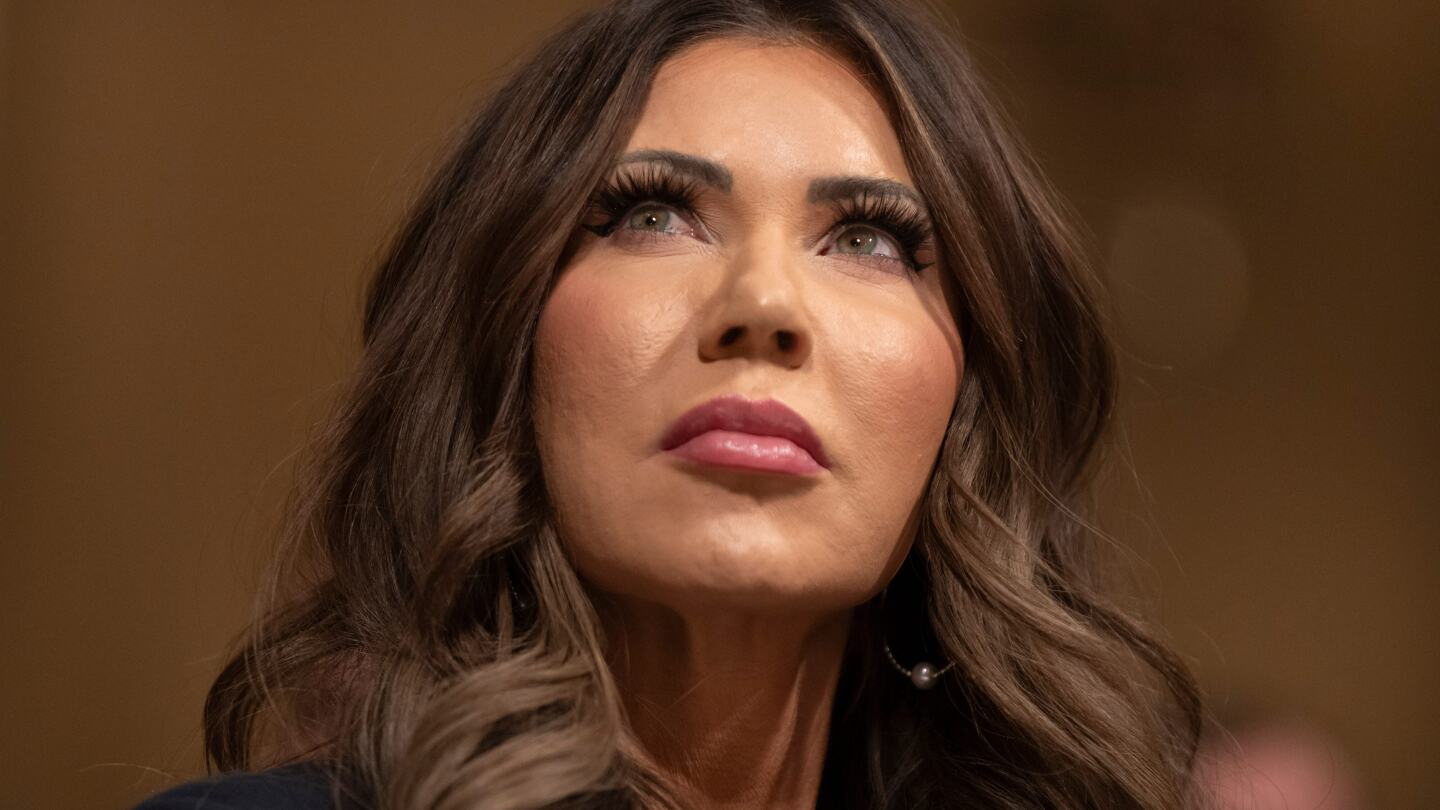
Department of Homeland Security Secretary Kristi Noem confirmed the operation, which follows the massive $300 million fraud scheme involving the nonprofit Feeding Our Future. That case, described as the nation’s largest COVID-19-related fraud scam, has already resulted in 57 convictions in Minnesota. Defendants in that case exploited a state-run, federally funded program intended to provide food for children during the pandemic.
The scale of potential fraud in Minnesota has alarmed federal officials. Earlier this month, a federal prosecutor alleged that as much as half of the approximately $18 billion in federal funds allocated to 14 Minnesota assistance programs since 2018 may have been stolen through fraudulent schemes.
Secretary Noem posted video footage on social media platform X showing DHS officers entering an unidentified business and questioning staff. She described the operation as “a massive investigation on childcare and other rampant fraud.”
U.S. Immigration and Customs Enforcement echoed this sentiment in its own social media statement: “The American people deserve answers on how their taxpayer money is being used and ARRESTS when abuse is found.”
The heightened federal presence comes just one day after FBI Director Kash Patel announced on X that the agency had “surged personnel and investigative resources to Minnesota to dismantle large-scale fraud schemes exploiting federal programs.” Patel warned that previous fraud arrests in Minnesota were “just the tip of a very large iceberg.”
This investigation unfolds against a backdrop of political tension. President Donald Trump has repeatedly criticized Minnesota Governor Tim Walz’s administration over these fraud cases. Walz, for his part, has maintained that his administration “will continue to work with federal partners to ensure fraud is stopped and fraudsters are caught.”
The fraud cases have also intersected with sensitive immigration issues. Federal authorities have noted that among those running schemes to misappropriate funds from child nutrition, housing services, and autism programs, 82 of the 92 defendants are Somali Americans, according to the U.S. Attorney’s Office for Minnesota. This has raised concerns as tensions have already been high between state and federal enforcement agencies following the Trump administration’s immigration enforcement actions focused on the Minneapolis-St. Paul area’s Somali community, which is the largest in the United States.
In response to the investigation, Walz spokesperson Claire Lancaster defended the governor’s record, stating that he has worked for years to “crack down on fraud” and has sought additional authority from the state Legislature to take more aggressive action. Lancaster highlighted several steps the administration has taken, including strengthening program oversight and hiring an outside firm to audit payments to high-risk programs.
The multi-agency federal investigation signals a significant escalation in efforts to uncover the full extent of alleged fraud in Minnesota’s public assistance programs. As federal authorities continue their work, the case raises broader questions about oversight of federal funds and the effectiveness of safeguards designed to prevent such large-scale misappropriation of taxpayer money.
The investigation remains ongoing, with federal authorities yet to disclose full details about the specific targets of Monday’s operation or what additional criminal charges might be forthcoming.
Fact Checker
Verify the accuracy of this article using The Disinformation Commission analysis and real-time sources.

11 Comments
Uncovering fraud in taxpayer-funded initiatives is a vital role for government. I’m curious to learn more about the specific schemes and tactics used in this case, and how officials plan to prevent such abuses in the future.
This investigation highlights the importance of strong financial controls and oversight when distributing public assistance funds. I hope the authorities are able to recover as much of the stolen money as possible.
This is a concerning development. Fraud in public assistance programs is a serious issue that needs to be addressed. I hope the investigation uncovers the full extent of any wrongdoing and holds those responsible accountable.
The alleged $18 billion in potential fraud is staggering. I’ll be interested to learn more about the specific schemes used and how they were able to go undetected for so long. Rigorous auditing and monitoring will be essential.
Investigations into potential misuse of government funds are always important, especially when such large sums are involved. I’ll be following this story closely to see what additional details emerge.
Agreed. Any fraud or abuse of these critical public programs is unacceptable and needs to be rooted out. Transparency and accountability are essential.
Fraud in COVID-19 relief efforts is particularly egregious, as it diverts critical resources away from those who need them most. I hope this investigation leads to meaningful reforms to prevent such abuse going forward.
This case highlights the need for greater transparency and accountability in how public assistance funds are managed and distributed. I’m glad to see the federal government taking such a strong stance on rooting out fraud.
While the scale of potential fraud in Minnesota is alarming, I’m glad to see federal agencies taking such decisive action. Protecting the integrity of these vital social programs should be a top priority.
Expanding the fraud investigation to include childcare programs is concerning. I hope the authorities are able to quickly identify any misuse of funds intended to support vulnerable families and communities.
While the details of this investigation are still emerging, the alleged scale of fraud is deeply troubling. I hope the authorities are able to recover as much of the stolen funds as possible and implement robust safeguards to prevent future abuses.