


Listen to the article
South Carolina senators are set to review a controversial abortion bill Tuesday that could establish the nation’s strictest reproductive restrictions since the Supreme Court overturned Roe v. Wade in 2022.
The legislation, appearing before a subcommittee of the state Senate’s Medical Affairs Committee, would allow judges to sentence women who undergo abortions to up to 30 years in prison. The same penalty would apply to anyone assisting with the procedure. Currently, South Carolina bans abortions after cardiac activity is detected, typically around six weeks, with exceptions for rape and incest victims up to 12 weeks.
If passed, the bill would eliminate all abortion exceptions except when the mother’s life is threatened. It would also potentially restrict intrauterine devices (IUDs) and possibly limit in vitro fertilization by banning contraception that prevents implantation of fertilized eggs.
The proposal has already advanced further in the legislative process than any similar measure nationwide since federal abortion protections were eliminated. However, even at this early stage, the bill faces significant obstacles to becoming law, requiring approval through at least six legislative steps.
Republican Senator Richard Cash, the bill’s sponsor and one of the state’s most vocal abortion opponents, will lead Tuesday’s subcommittee meeting. While Cash has acknowledged concerns about potential contraception restrictions and limitations on medical advice, he hasn’t specified what changes might be considered by the nine-member subcommittee, which includes six Republicans.
Healthcare professionals have expressed alarm about provisions that would make it illegal to provide information about abortion services, potentially preventing doctors from referring patients to states where the procedure remains legal. This restriction raises serious questions about medical ethics and patients’ right to information.
The bill has created fractures within South Carolina’s anti-abortion movement. South Carolina Citizens for Life, one of the state’s oldest and largest anti-abortion organizations, opposes the legislation on the grounds that women seeking abortions are victims and should not face criminal penalties.
“We cannot support legislation that would subject women to prosecution and jail time,” the group stated last month, highlighting the growing divide within the anti-abortion community over appropriate legal approaches following the end of Roe v. Wade.
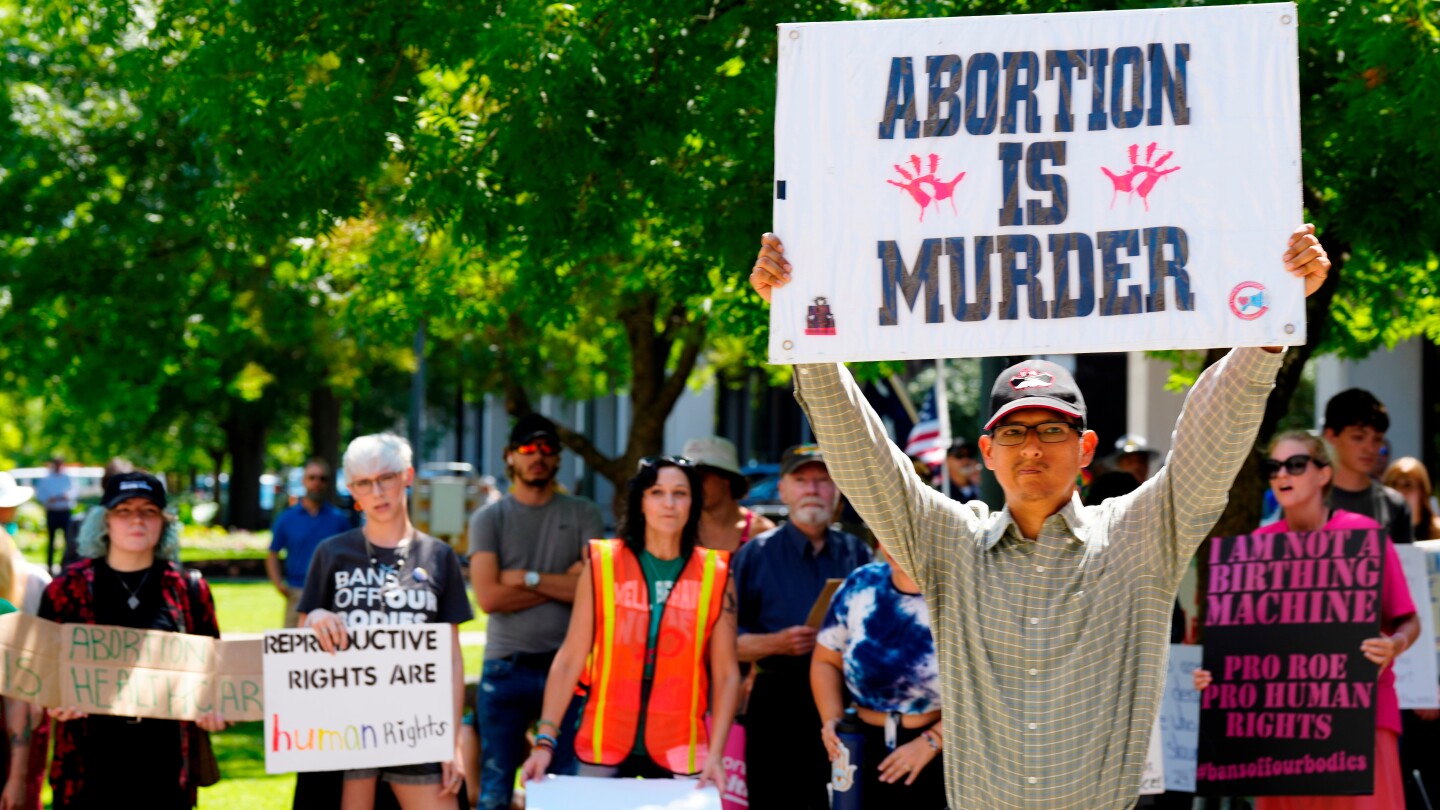
Other groups, like Equal Protection South Carolina, firmly support the harsh penalties. The organization’s founder, Mark Corral, stated bluntly: “Abortion is murder and should be treated as such.”
This legislative debate reflects broader national tensions as conservative states navigate post-Roe abortion policy. Since 2022, numerous states have implemented varying restrictions, but South Carolina’s proposal represents a significant escalation in both scope and severity.
Public health experts warn that such extreme measures could have devastating consequences for women’s healthcare beyond abortion services. Restrictions on IUDs and potential impacts on fertility treatments could affect thousands of South Carolina women who have no interest in abortion but rely on these medical options.
The bill’s consideration comes amid an election year when reproductive rights have emerged as a central campaign issue nationwide. Since the Dobbs decision overturned federal abortion protections, voters in several states have rejected strict abortion limitations through ballot measures, including in conservative-leaning states like Ohio and Kentucky.
Tuesday’s subcommittee hearing represents just the first step in what would be a lengthy legislative journey for the bill. Even with Republican majorities in both chambers of the South Carolina legislature, the proposal faces uncertain prospects given its controversial provisions and opposition from typically aligned advocacy groups.
For now, South Carolina maintains its six-week abortion ban while lawmakers debate whether to pursue what would be the nation’s most punitive approach to reproductive healthcare.
Fact Checker
Verify the accuracy of this article using The Disinformation Commission analysis and real-time sources.

15 Comments
As someone who generally supports restrictions on abortion, even I find this proposal to be too extreme. Criminalizing the procedure with such harsh penalties, and potentially limiting contraception, seems like an overreach. I hope the lawmakers can find a more balanced approach.
I share your concerns. While I’m generally opposed to abortion, this bill seems to go too far and could have unintended consequences. Nuance and compromise are needed on this issue.
Wow, this is an incredibly aggressive and restrictive abortion bill. While I understand the desire to protect life, the specifics of this proposal seem to go way too far. Criminalizing the procedure with such harsh penalties, and potentially limiting contraception, is a major overreach in my opinion.
I share your concerns. This bill appears to be an extreme and heavy-handed approach that could have devastating consequences for women’s reproductive rights and personal freedoms.
This is certainly a bold and controversial move by the South Carolina lawmakers. While I respect their intent to limit abortions, the specifics of this bill raise serious concerns about personal freedoms and reproductive rights. I’ll be closely following the public reaction and legislative process.
Agreed, it will be fascinating to see how this plays out. This is an extremely sensitive and divisive issue, and I hope the lawmakers can find a way to address it that satisfies all stakeholders.
Wow, this is an incredibly bold and controversial move. I’ll be curious to see how the public and other lawmakers react. While I respect the desire to limit abortions, the specifics of this bill seem quite draconian.
Agreed, this is a highly polarizing issue and I expect there will be significant pushback. It will be interesting to see if this bill can garner enough support to become law.
This bill seems extremely restrictive and concerning. Criminalizing abortions, even in cases of rape or incest, would be a major setback for reproductive rights. I hope the legislature carefully considers the implications and public feedback before moving forward.
Restricting IUDs and in vitro fertilization is also deeply troubling. This bill appears to be an extreme overreach that could have devastating consequences.
I agree, this proposal goes way too far. Allowing up to 30 years in prison for women who have abortions is draconian and unjust.
While I understand the desire to protect life, this bill seems to take things too far. Eliminating all exceptions except for life-threatening situations is extremely heavy-handed. I hope the lawmakers can find a more balanced approach.
Agreed, a complete ban with harsh criminal penalties is not the right solution. There needs to be room for nuance and consideration of individual circumstances.
This is a highly complex and sensitive issue. I appreciate the lawmakers trying to address it, but this proposal seems overly punitive and restrictive. I hope they can find a way to protect life while also respecting personal freedoms and reproductive rights.
Absolutely, this is a delicate balance that requires careful thought and input from all stakeholders. Rushing into such an extreme measure could have unintended negative consequences.